
Why the moon changes shape: Surprising science of moon phases |
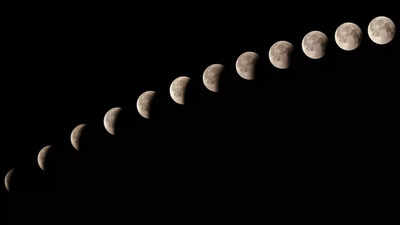
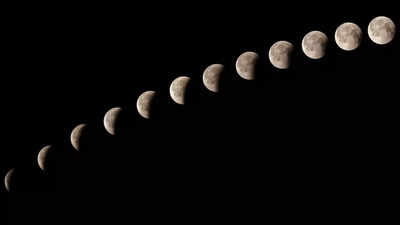
There is a long and intriguing history behind the human obsession with the Moon, which is thousands of years old. Nevertheless, even though people observe the Moon almost every night, there are still a number of individuals across the globe who are eager to know the truth behind the phenomenon of the changing shape of the Moon. Such changes in the Moon’s appearance are called Moon phases. This phenomenon is natural due to the relationship that exists as a consequence of the Moon rotating around our Earth. Contrary to the common perceptions of people, the Moon does not enlarge or diminish, nor does the Earth put a shade on the Moon through the course of a regular month, causing such phases.
The 8 phases of the moon
As mentioned by NASA, the Moon has eight distinct phases in a period of roughly 29.5 days as it revolves around Earth. The Sun always illuminates half of the Moon while the other half remains dark. Each of its phases reflects how much of the Moon’s visible surface is facing Earth:
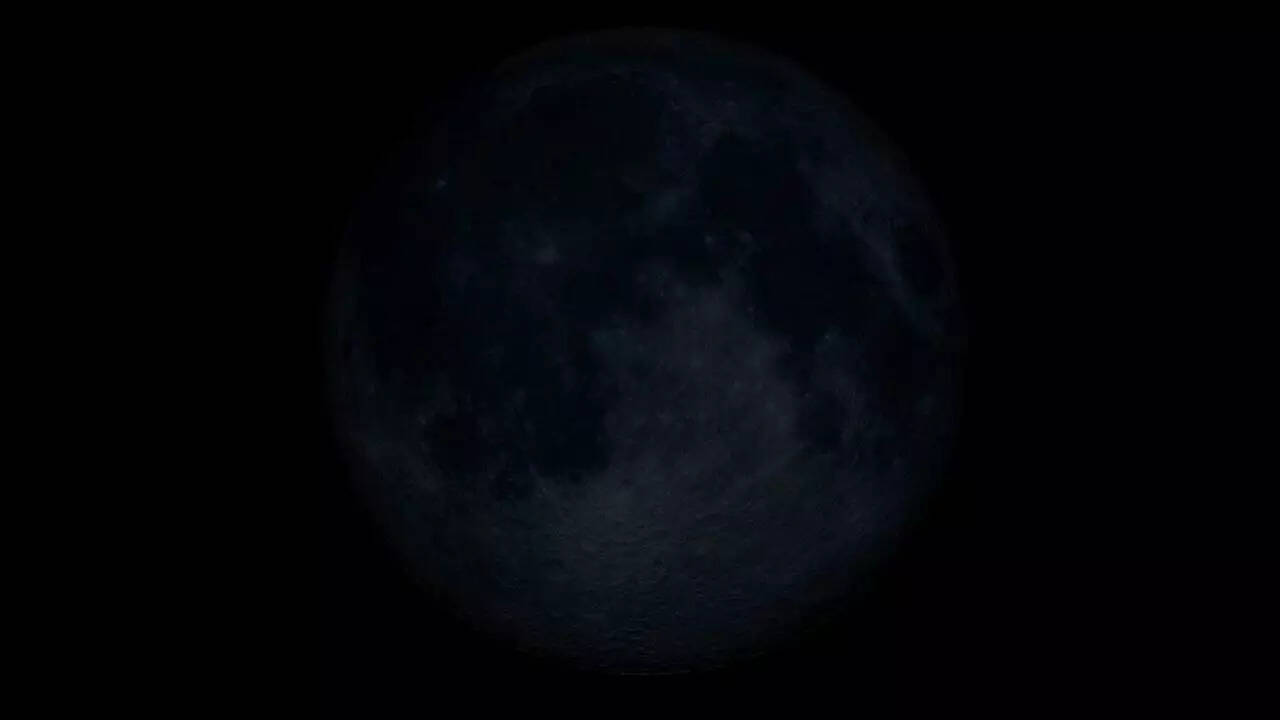
New moon (Image source: NASA)
At the time of the new moon, the moon is situated between the Earth and the sun, with the side facing the Earth being non-illuminated. Thus, the side that is illuminated is turned away from us, and the moon is not visible. When the moon is at the new moon position, we see that the moon rises with the sun.
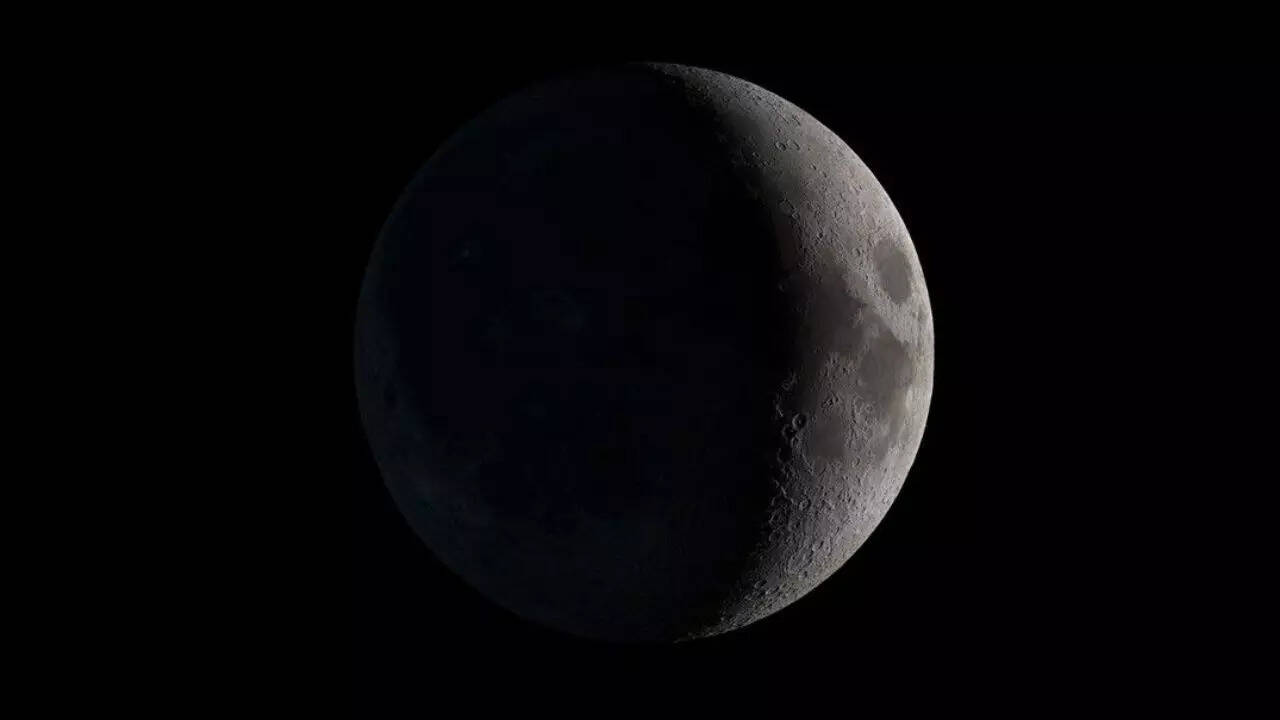
Waxing crescent (Image source: NASA)
A thin sliver of brighter light will be visible after the New Moon. This is the Waxing Crescent phase. “Waxing” is the opposite of waning. Every night, the Moon appears to grow more illuminated on the side we see. But the crescent Moon is on the opposite side of the Sun from our viewpoint on Earth, while the rest of the Moon is in darkness.
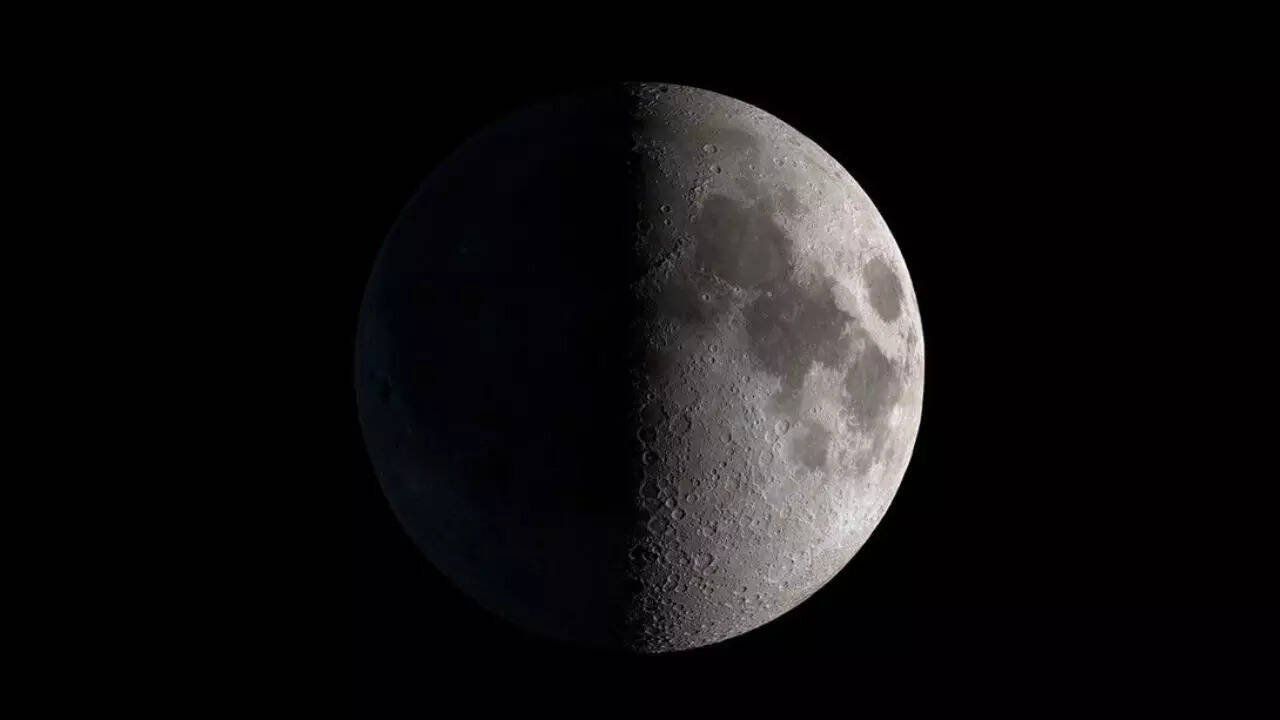
First quarter (Image source: NASA)
Next, we have the First Quarter Moon. Here we see exactly one-half of the Moon’s near side illuminated by sunshine. It will appear as a half circle. The First Quarter Moon will rise in the noon sky, be high in the sunset sky, and set around midnight.
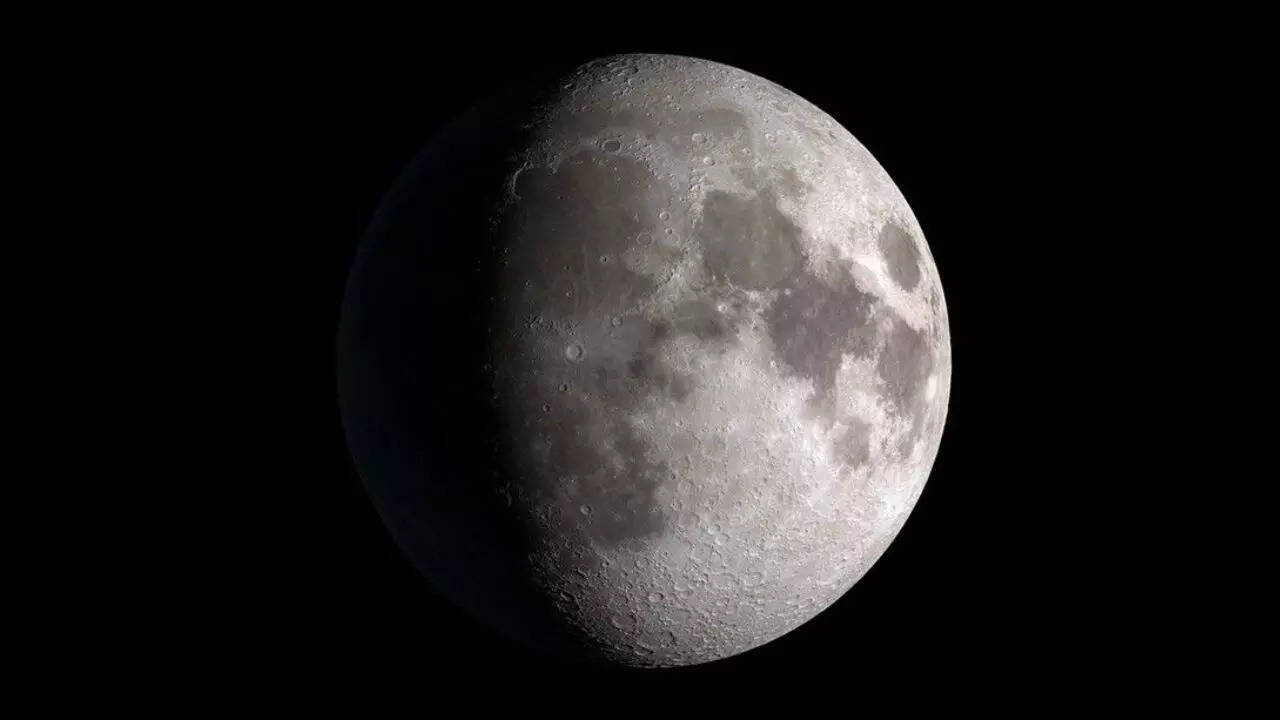
Waxing gibbous (Image source: NASA)
After the first quarter phase, more than half of the Moon is now illuminated. This is the Waxing Gibbous phase of the Moon.“Gibbous” means larger than a semicircle. The Moon appears brighter as the illuminated portion of the Moon increases every night, moving towards full moon.
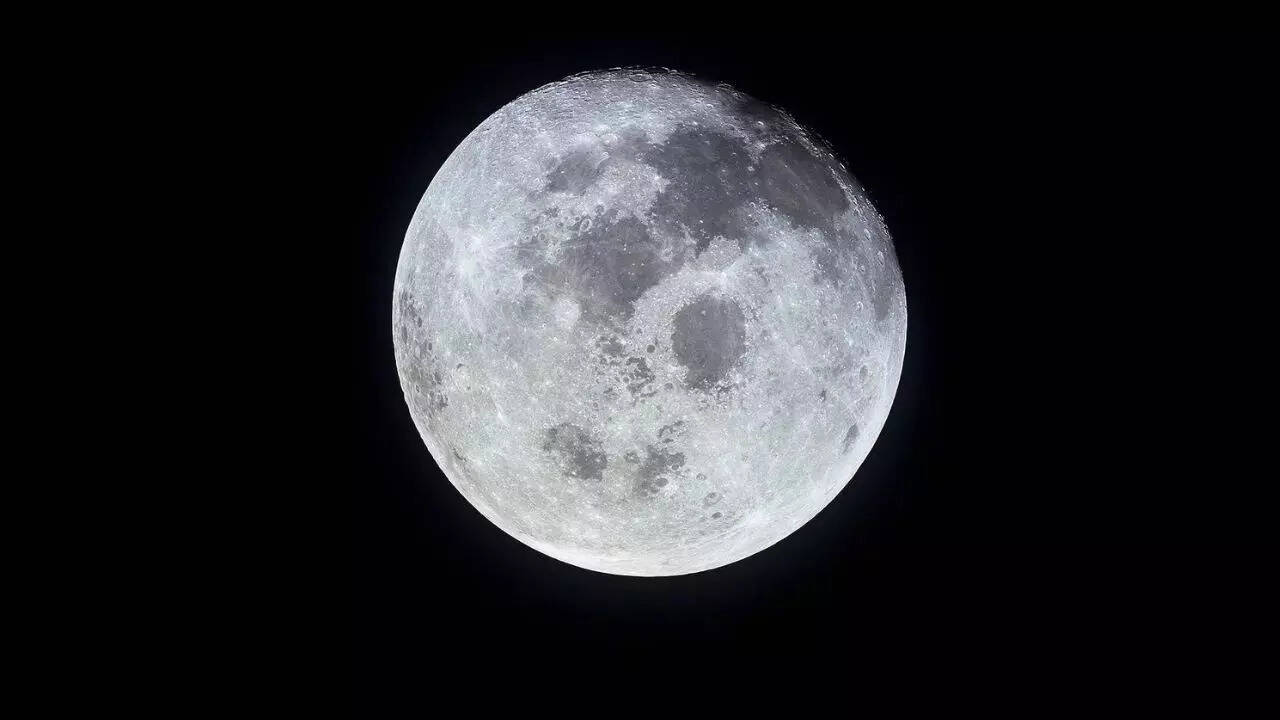
Full moon (Image source: NASA)
When at Full Moon, the Moon will be on the opposite side of the night sky from the Sun, with the Earth in between, so that the entire near side will be illuminated. The Moon will rise at sunset, looking like a perfect, shining circle in the night sky, with its entire illuminated face visible from sunset until dawn.
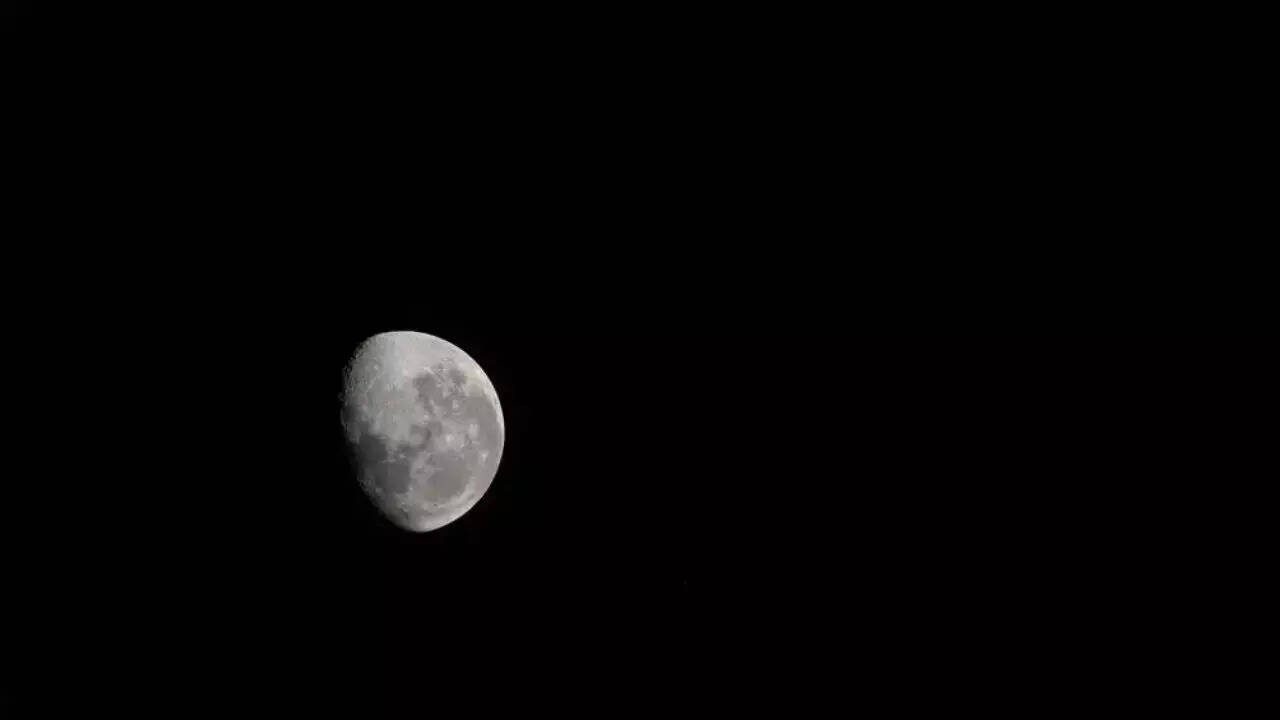
Waning gibbous (Image source: NASA)
After the full moon, the lighted portion of the Moon begins to decrease. This is the Waning Gibbous phase. “Waning” means decreasing. The Moon now rises a bit later each night, and we see the opposite side illuminated compared to First Quarter. More than half of the Moon is still lit.
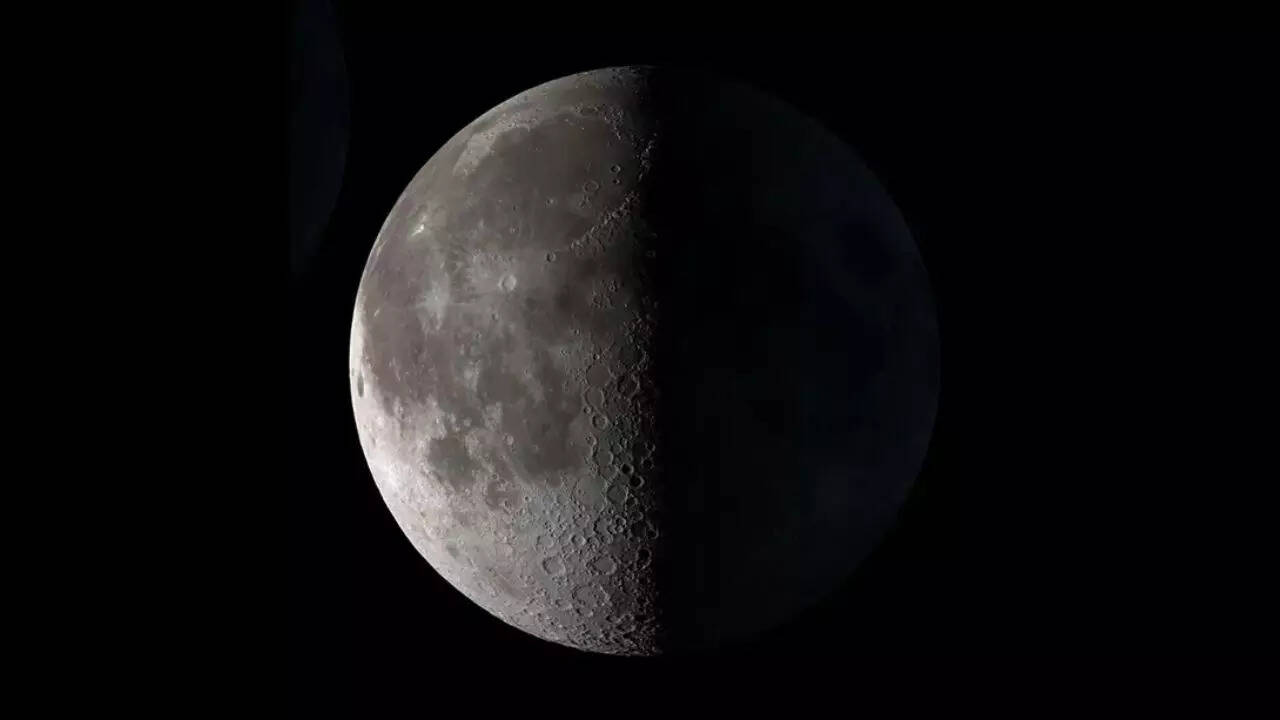
Last quarter (Image source: NASA)
The Moon again looks half-illuminated (half of the near side lit), but this time the opposite half from First Quarter. The Last Quarter Moon rises around midnight and sets around noon.
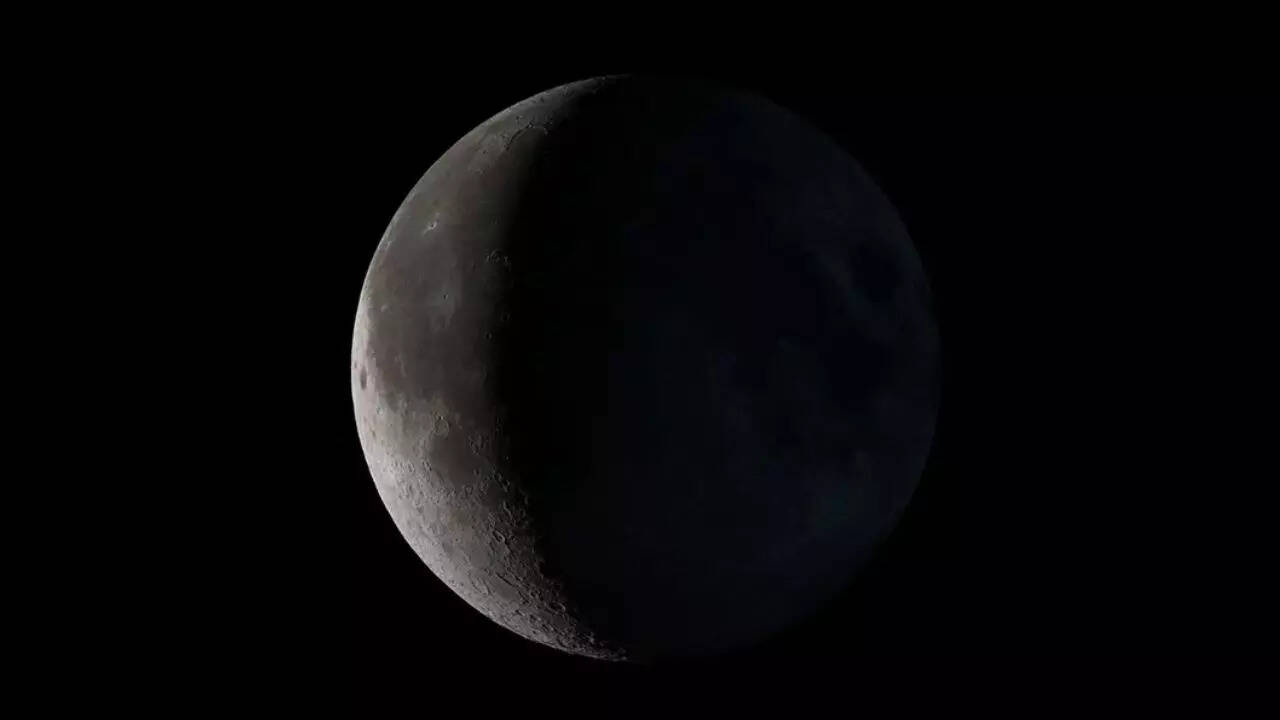
Waning crescent (Image source: NASA)
Finally, the Moon enters the Waning Crescent phase. Only a thin crescent of the Sunlit side remains visible. Night by night, the crescent shrinks in width until the cycle concludes at the next New Moon.Phases follow each other in this manner every month as the geometry of the Earth-Moon-Sun system constantly varies in the sky. Over the weeks, we on Earth see varying portions of the Moon’s illuminated half, creating the familiar cycle of lunar phases.
The dark side of the moon
In reality, the Moon does not have a permanently dark side. Instead, all sides of the Moon face the Sun at some point in time. The reason for the misunderstanding is that the Moon is tidally locked with the Earth; that is, the Moon rotates on its axis at the same rate it revolves around the Earth. What this means is that the side of the Moon the Earth sees is the same all the time, while the opposite side, called the far side, remains hidden from view.The far side of the Moon is not dark; it is just facing away. The far side of the Moon exposes the other side of the Moon when the near side is illuminated during the New Moon phase, and vice versa. The “dark side of the Moon” is, therefore, the other or unseen side of the Moon.