
Why sleep anxiety in adults is more common today than you think
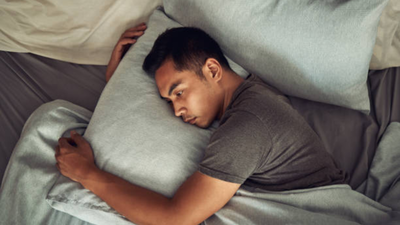
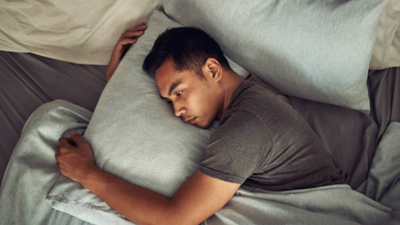
Picture this. It is 2:17 am, you are staring at the ceiling, counting the hours left before the alarm rings. Five… maybe four. The phone lights up with a notification you promised you won’t check. Tomorrow’s meeting, unread emails, the smartwatch score from last night, everything crowds your mind. Sleep isn’t coming. And the harder you try, the further it slips away.Sounds familiar? From the fear of not getting enough sleep to wrangling with doom-scrolling, the pressure to sleep right and get sufficient sleep is ironically keeping many people awake, say experts. ‘Get proper sleep’ is a common solution thrown around in friend circles in response to signs of fatigue. But is it that easy? Health experts note that, in a section of young adults, this could also be the symptoms of sleep anxiety.
Sleep deprivation is no longer geographical
In 2024, the US Center for Disease Control and Prevention published results of its BRFSS survey of adults exploring health and risk behaviours, including sleep, from 2013 to 2024. More than one in three US adults and nearly eight out of 10 teens were found to not get ‘enough sleep’. A similar trend was observed in India last year. A survey by LocalCircles found 59% Indians surveyed get less than 6 hours of uninterrupted sleep daily. Both studies, however, do not touch upon the gravity and presence of sleep anxiety among the respondents. But what they do establish is that sleep deprivation is not geographical but a lifestyle-centric issue.
The always-on lifestyle and racing minds
According to Sheena Sood, consultant in psychology and counsellor at PD Hinduja Hospital and Medical Research Centre, Mumbai, “Sleep Anxiety is seen amongst adults who are dealing with life stressors such as a hard personal life or a hard professional life. Many adults develop anxiety around sleep as they find their mind racing and often feel that instead of sleeping, they can get some stuff done.”Dr Subho Sarkar, Consultant, Pulmonary and Sleep Medicine, Sir H.N. Reliance Foundation Hospital, Mumbai, puts this as the side effects of the modern-day work culture and always-on lifestyle. “The constant pinging of notifications craves our attention and puts our minds in a state of constant arousal. This results in heightened autonomic activation wherein our sympathetic nervous system is always at work, causing heart rate to rise, muscle contraction and elevated cortisol (stress hormone) release from the body.”
When exhaustion becomes a virtue
In a society that has been raised to equate near-burnout levels of exhaustion with dedication, lack of sleep continues to be glamorised, further aggravating sleep anxiety and fuelling the rise in insomnia cases. Dr Sarkar touches upon the elephant in the room that no one dares talk about: the corporate glorification of overwork. “Irregular work hours, increased screen time, use of caffeine or alcohol, and lack of sunlight exposure disrupt the circadian rhythm of sleep and increase the susceptibility to sleep anxiety. Excessive worrying about the future and ruminating on the past prevent the natural transition to sleep...this also fragments sleep, and poor sleep worsens daytime anxiety,” he adds.
The vicious cycle of sleep anxiety
According to Dr. Arun Chowdary Kotaru, Unit Head of Respiratory Disease and Sleep Medicine at Artemis Hospitals, sleep anxiety triggers a vicious circle. “People who have sleep anxiety are always worried about falling asleep, staying asleep and not getting enough rest. This fear makes it harder to sleep, which makes the cycle of stress worse… As adults get older, they start to think of bedtime as a time to be angry instead of a time to rest,” he notes.
Are sleep trackers doing more harm than good?
Urban adults are also under pressure to “sleep right.” With smartwatches and sleep apps tracking every movement, people often judge their sleep based on numbers and scores. Dr. Swapnil Mehta, Sr. Consultant- Pulmonology, Dr L H Hiranandani Hospital, Powai – Mumbai, warns that a poor reading can lead to worry and frustration, creating a cycle where anxiety about sleep becomes the very reason sleep stays away. “Stress related to work, finances, traffic, caregiving, and maintaining work-life balance further worsens the problem. After the pandemic, many people report heightened stress levels and difficulty switching off mentally, making sleep more fragile and easily disrupted,” he notes.
Sleep anxiety can be reversed
Sood asserts, “Sleep is super essential and a critical marker of good health, be it physical or mental. Lack of sleep causes a compromised immune and nervous system, hampers daily life and overall quality of life. Hence, sleep anxiety needs to be taken care of by either lifestyle changes or by seeking immediate professional help.”“The encouraging news is that sleep anxiety can be reversed with simple lifestyle changes,” Dr. Swapnil emphasises. “Creating a winding-down routine, limiting phone use before bedtime, sticking to regular sleep timings, and practising relaxation techniques like deep breathing or meditation can help reset the mind. Most importantly, understanding that an occasional bad night’s sleep is normal-and not harmful-can significantly reduce anxiety. In busy urban lives, prioritising calm before bedtime may be just as important as the number of hours spent in sleep mode,” he advises. The solution lies in mastering small things and practising them consistently. “Becoming aware of one’s habits, lifestyle, and surroundings is the key to fixing problems related to sleep anxiety. Small changes such as fixing sleep timings, avoiding electronic devices after evening, lighting the bedrooms dimly, ensuring a cool, ventilated environment, listening to white noise or relaxing soundscapes can go a long way in alleviating this problem. Diaphragmatic breathing, progressive muscle relaxation, and guided meditations using digital tools can facilitate autonomic downregulation and relaxation before sleep,” Dr Subho concludes.In a world that rarely switches off, learning to rest without guilt may be the first real step towards mental well-being.Medical experts consulted This article includes expert inputs shared with TOI Health by: Dr. Swapnil Mehta, Sr. Consultant- Pulmonology, Dr L H Hiranandani Hospital, Powai – MumbaiDr. Arun Chowdary Kotaru, Unit Head of Respiratory Disease and Sleep Medicine at Artemis HospitalsDr Subho Sarkar, Consultant, Pulmonary and Sleep Medicine, Sir H.N. Reliance Foundation Hospital, MumbaiInputs were used to explain sleep anxiety in adults and why it is increasingly becoming so common.