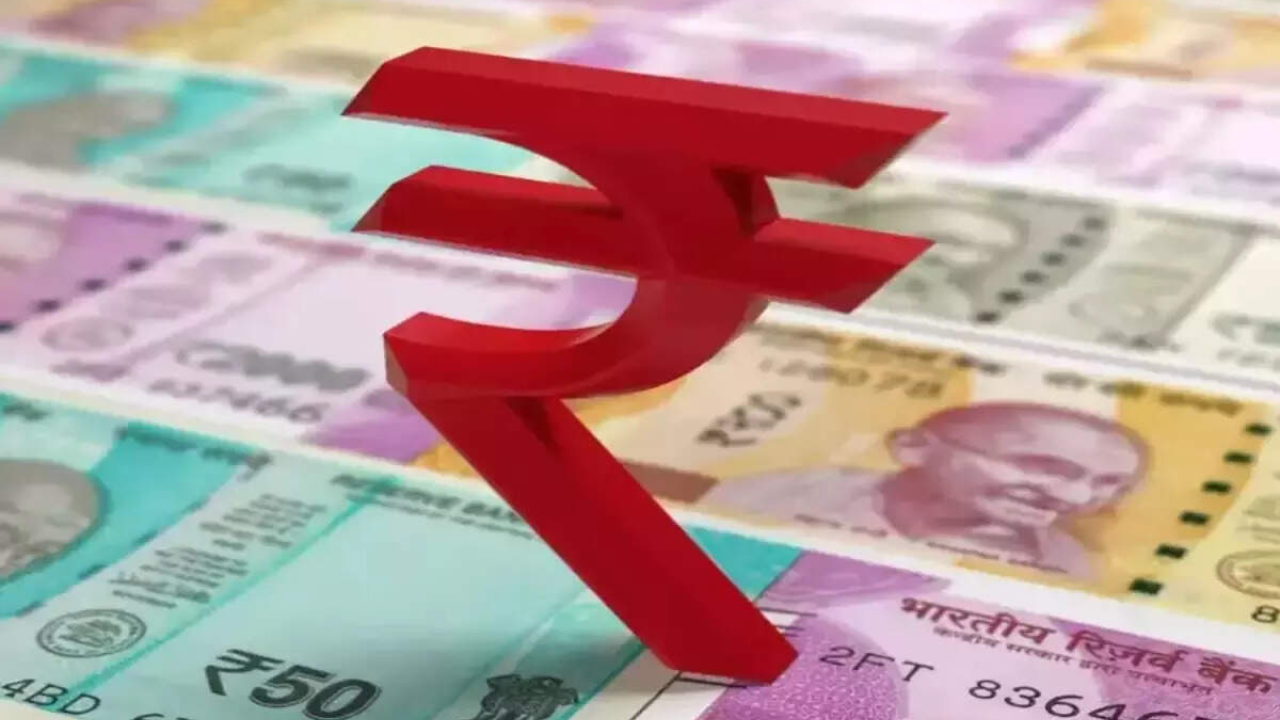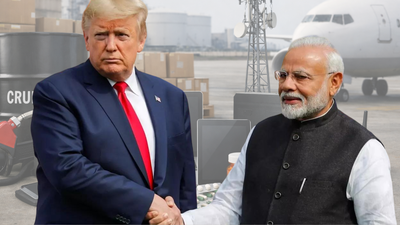
India and the United States have unveiled a framework for an interim trade agreement, cutting US reciprocal tariffs on Indian goods to 18 per cent from 50 per cent. As per the joint statement India’s agriculture market has been ring-fenced. India has granted no duty concessions on what it calls “sensitive” farm and dairy products.Also read: US tariffs on India cut to 18%; $30 trillion market access – trade deal explained in 10 points“The agreement reflects India’s commitment to safeguarding farmers’ interests and sustaining rural livelihoods by completely protecting sensitive agricultural and dairy products, including maize, wheat, rice, soya, poultry, milk, cheese, ethanol (fuel), tobacco, certain vegetables and meat,” Goyal said in a social media post. The interim deal brings broader commercial benefits, but protections for core food and farm products signal that India will not compromise on the economic backbone of its rural economy.The agreement does open up a huge market for Indian exports by slashing US reciprocal tariffs from 50 per cent to 18 per cent on a wide range of Indian goods, from textiles and footwear to pharmaceuticals and aircraft parts.
Key products fully protected — no import concessions
Staple grains and cereals: These fundamental food sources remain entirely shielded from tariff cuts or quotas:
- Amaranth
- Ragi
- Wheat
- Kodo millet
- Barnyard millet
- Maize
- Rice
- Barley
- Jowar (sorghum)
- Buckwheat
- Bajra (pearl millet)
- Kangni (foxtail millet)
- Oats
- Unpolished grains
- Maida (refined flour)
- Flour (wheat, maize, rice, bajra, etc.)
Dairy products: The dairy sector, which employs millions of small and marginal farmers, is fully protected:
- Milk (liquid, powder, casein)
- Cheese (mozzarella, blue-veined, grated/powdered, etc.)
- Cream
- Butter oil
- Butter and ghee
- Yoghurt
- Buttermilk
- Whey products
Vegetables and pulses: India has barred tariff concessions on core vegetables and pulses often grown by smallholders:
- Frozen vegetables
- Potatoes
- Peas
- Beans
- Other pulses and vegetables (peeled or unpeeled)
- Mixed frozen vegetables
- Temporarily preserved vegetables
- Cucumbers and gherkins
- Mushrooms (Agaricus varieties)
- Mixed preserved vegetables
While imports of sensitive products are kept at arm’s length, the interim deal opens up Indian markets to a range of US industrial and agricultural products. These include dried distillers’ grains, red sorghum for animal feed, tree nuts, fresh and processed fruits, soybean oil, wine and spirits. Indian exporters, in turn, will benefit from expanded access to the US market in sectors such as textiles and apparel, leather and footwear, plastic and rubber products, organic chemicals, home décor, artisanal products, select machinery and pharmaceuticals.Meanwhile, the opposition has targeted the deal, with MPs staging protests and walkouts while demanding that Parliament debate the agreements, particularly over concerns about agricultural imports and their impact on farmers’ livelihoods.