US natural gas extends historic run: Prices soar nearly 60% in three sessions – what’s fueling the surge?
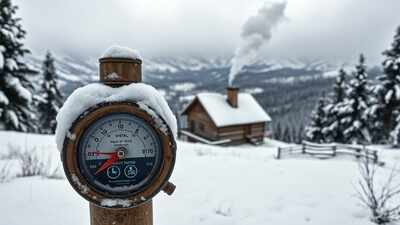
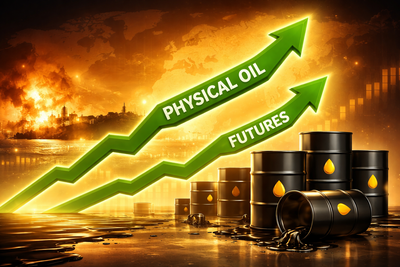
US natural gas futures surged to around $3.50, gaining about 8.35 per cent in a single session, extending an already historic rally that has seen prices rise nearly 60 per cent over the past three days. Trading volumes remained heavy, reflecting intense repositioning in the market as traders reacted to tightening supply-demand dynamics.The sharp rise is being driven by colder-than-expected weather forecasts across large parts of the Midwest and Northeast, which are pushing up heating demand. This comes at a time when storage levels are already below seasonal norms, leaving little cushion against sudden demand shocks, reported ET. Production growth has failed to keep pace with the jump in consumption expectations, as producers had remained cautious after prolonged periods of low prices. As a result, even small changes in demand assumptions are now triggering outsized price moves.Liquefied natural gas exports are adding further pressure. US export terminals are operating near capacity, sending large volumes overseas and reducing gas available for domestic storage. This has tightly linked US gas prices to global markets, limiting how quickly prices can ease.The price spike has also triggered fuel-switching in the power sector. As gas prices moved past key thresholds, coal became a cheaper option for many utilities, resulting in the need for a reassessment of fuel mixes. At the same time, electricity prices were already under strain due to rising demand from AI data centres, especially in the PJM region, where capacity prices have risen sharply in recent years.The surge coincides with a severe Arctic cold wave sweeping across the US, with millions of households increasing heating usage.AccuWeather has warned that extreme cold could leave hundreds of thousands without power or heat, further intensifying demand pressures.In contrast, crude oil prices have lagged, weighed down by ample global supply, highlighting a growing divergence across commodity markets, with inflation risks increasingly concentrated in gas and electricity rather than the broader energy complex.