Tina Dabi: Dalit woman, UPSC AIR 1 at 22: How Tina Dabi topped India’s toughest exam in her first attempt
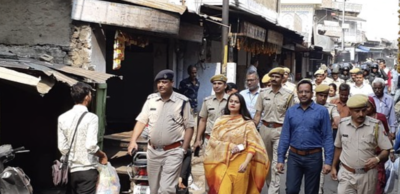
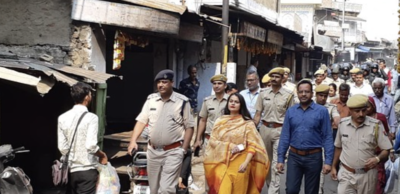
In May 2016, when the results of the Union Public Service Commission (UPSC) Civil Services Examination were announced, one name quickly travelled across the country: Tina Dabi. At just 22 years old, the Delhi-based student had secured All India Rank 1 in the 2015 UPSC exam and she had done it in her very first attempt. But the achievement carried a deeper significance. Dabi became the first Dalit woman to top the civil services examination, a moment many saw as both a personal triumph and a symbol of changing social realities in India. Her story is not just about a difficult exam cleared at a young age. It is about ambition, discipline, and the quiet power of persistence. Scroll down to read more.
A childhood shaped by education
Tina Dabi was born on 9 November 1993 in Bhopal, Madhya Pradesh.Her family later moved to Delhi in 2005, where she spent most of her formative years. Education was always central to her upbringing. Both her parents were engineers; her father, Jaswant Dabi, served in the Indian Telecom Service, while her mother, Himani Dabi, was an officer in the Indian Engineering Services. Growing up in a household that valued learning meant expectations were high, but it also meant support. Teachers and classmates often noticed her academic focus early on.She studied at the Convent of Jesus and Mary in Delhi, where she consistently performed well in school. Later, she joined Lady Shri Ram College for Women (LSR), Delhi University, one of India’s most prestigious colleges, graduating with a degree in political science. At LSR, she wasn’t just another student preparing for exams. She topped her college and was recognised as “Student of the Year,” reflecting both academic excellence and leadership potential.
The decision to attempt UPSC
For many students in India, the civil services exam is a distant dream, an exam known for its vast syllabus and extremely low success rate. Dabi decided to pursue it while still in college. Political science, her graduation subject, also became her optional subject for the UPSC examination, helping her build on what she had already studied deeply. Unlike many aspirants who spend years attempting the exam, she appeared for it only once and cleared it at the very first attempt. The scale of the achievement is difficult to overstate. Every year, hundreds of thousands of candidates apply for the UPSC exam, yet only a few hundred finally enter the prestigious Indian Administrative Service (IAS). At just 22 years old, Dabi finished ahead of everyone else in the country.
A moment that sparked national conversation
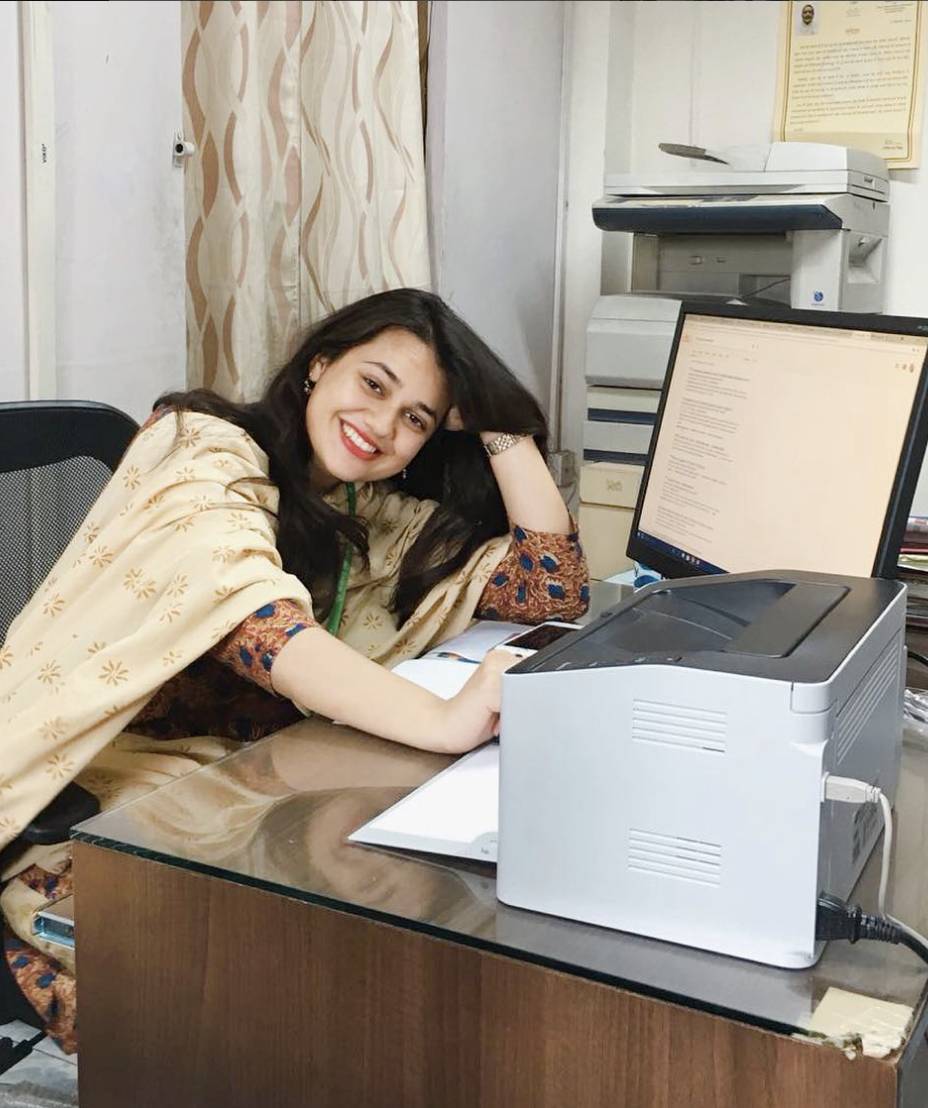
Her result triggered enormous media attention. News channels, newspapers and social media celebrated the young topper who had emerged from Delhi’s academic circles. But alongside admiration came another conversation, about caste and opportunity. As a Dalit woman topping India’s most competitive exam, Dabi’s success challenged deeply entrenched stereotypes about merit and social mobility. In fact, she later recalled that while congratulatory messages poured in immediately after the results, some media outlets quickly began asking about her caste rather than her preparation strategy. For many observers, the episode highlighted how achievements by individuals from historically marginalised communities often carry a larger social meaning.
From topper to administrator
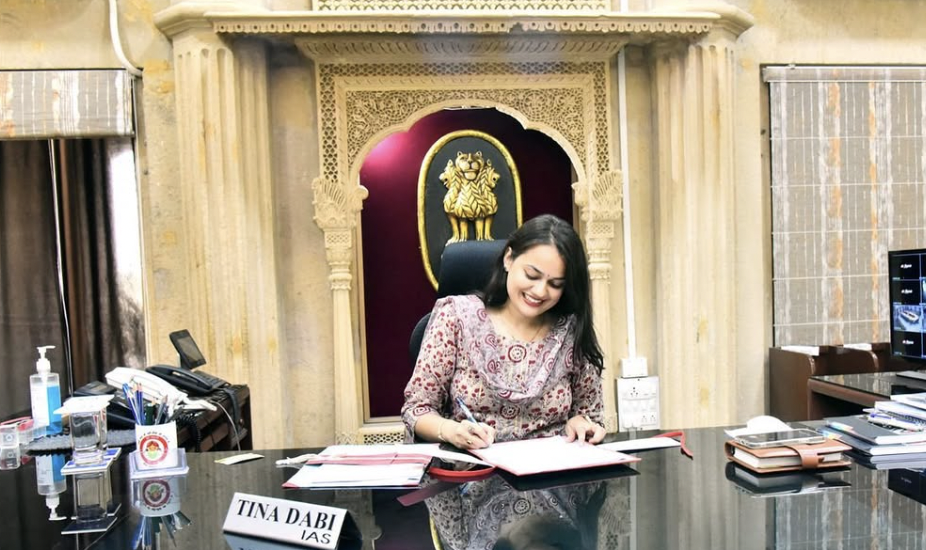
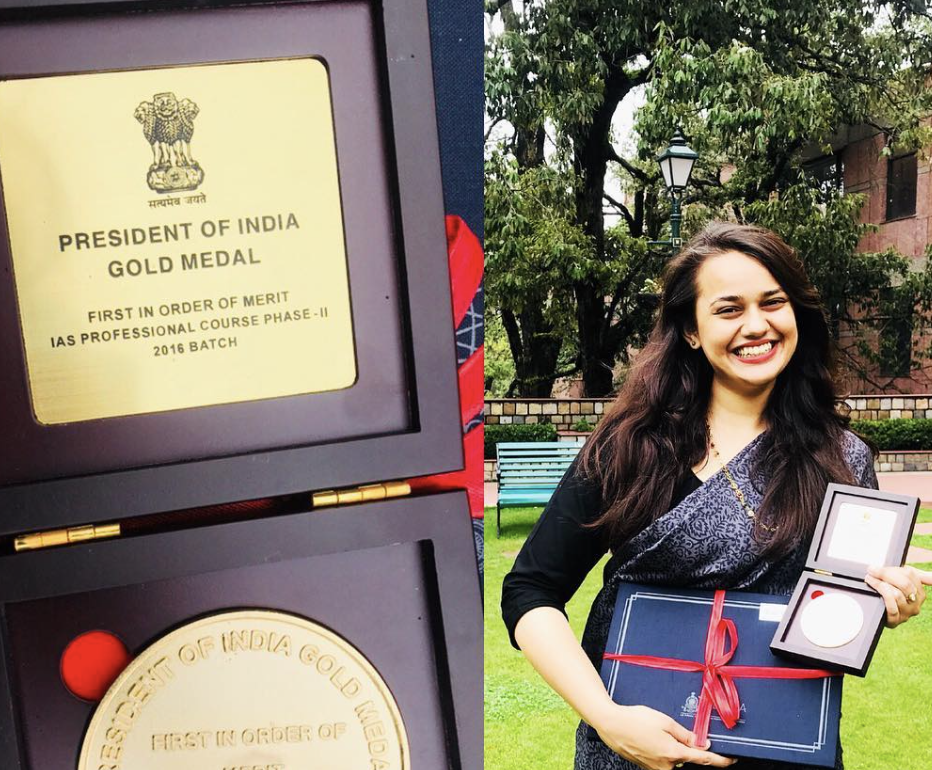
After clearing the exam, Dabi joined the 2016 batch of the Indian Administrative Service (IAS) and was allotted the Rajasthan cadre.During her training at the Lal Bahadur Shastri National Academy of Administration in Mussoorie, she was awarded the Director’s Gold Medal, given to the best trainee officer.Her first posting came in 2017 as an assistant collector in Ajmer, Rajasthan.Over the years, she held several administrative roles in the state, working in areas ranging from governance to development initiatives. She later served as district collector in Jaisalmer and is currently posted as collector and district magistrate of Barmer in Rajasthan, one of the state’s largest districts.
More than an exam result
UPSC toppers often fade from public conversation after their results. Tina Dabi did not. Part of that is because of the larger story attached to her success, a young woman from a scheduled caste community rising to the very top of India’s most prestigious examination. But another reason is simpler: her journey represents the quiet possibility that education can reshape lives.
At 22, when most graduates are still uncertain about their next step, Tina Dabi had already crossed one of the toughest academic barriers in the country. For thousands of UPSC aspirants studying late into the night across India, her story remains a reminder that the exam may be daunting, but sometimes, the first attempt is all it takes.