
Palmer Luckey who Mark Zuckerberg fired after acquiring his company for $2 billion on layoffs at Meta: Feel bad for the people impacted, but …
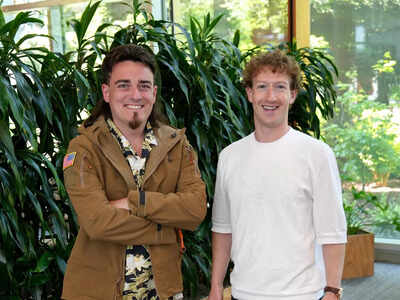
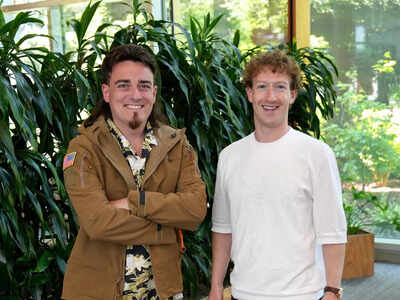
Palmer Luckey, the Oculus founder whom Meta CEO Mark Zuckerberg fired after acquiring his company for $2 billion, has now shared his opinion on the latest round of layoffs at Meta. Luckey expressed sympathy for those affected and has also argued that the job cuts could ultimately strengthen the virtual reality industry. In a post shared on social media platform X (formerly known as Twitter) Luckey pushed back against the narrative that Meta is abandoning VR after cutting 1,500 jobs at Reality Labs which is about 10% of the division’s workforce. “This is not a disaster. They still employ the largest team working on VR by about an order of magnitude. Nobody else is even close,” Luckey wrote. He also noted that the layoffs were equivalent to six months of normal churn compressed into two months and insisted Meta remains the dominant force in VR development. He further highlighted that most of the positions eliminated were tied to first-party content development and Meta’s own internally produced games that competed directly with third-party studios.Luckey is of the opinion that subsidising in-house titles with heavy budgets, marketing, and placement distorted the ecosystem and made it harder for independent developers to thrive.
Read Plamer Luckey’s post here
I have an opinion on the Meta layoffs that is contrary with most of the VR industry and much of the media, but strongly held.This is not a disaster.They still employ the largest team working on VR by about an order of magnitude.Nobody else is even close.The “Meta is abandoning VR” narrative is obviously false, 10% layoffs is basically six months of normal churn concentrated into 60 days, strictly numbers wise.The majority of the 1,500 jobs cut in Reality Labs (out of 15,000) were roles working on first-party content, internally developed games that competed directly with third party developers.I think this is a good decision, and I thought the same back when I was still at Oculus.Change always sucks because people lose their jobs in the process, but in a world of limited resources, Meta heavily subsidizing their own (with money, marketing, placement, etc) at the expense of core technical progress and platform stability doesn’t make sense.Crowding out the rest of the entire ecosystem, even less so.Every developer big and small, even the hyper-efficient ones, have had an extremely hard time competing with games developed by Meta-owned teams with budgets and teams that spend vastly in excess of earning potential.People will point out that these teams did an awesome job and got awesome reviews from critics and customers alike – yes, and fucked up though it is, that makes the problem even worse!Some people will say “they should have just funded those developers as external studios rather than acquiring them, then!”.Yes, I agree, but hindsight is 20/20.Do you think Oculus expected to only sell 700 copies of Rock Band VR after spending eight figures to make sure it was ready and awesome for Rift CV1 launch, to the point of bundling the guitar adapter with every single headset?Of course not, but sometimes you learn what the world actually wants from you the hard way.TL;DR, I feel really bad for the people impacted, but this is a good thing for the long-term health of the industry, especially the ongoing incentives.