
New Year’s Eve food traditions around the world to invite luck and joy |


There is something about the final hours of the year that makes people reach for food that feels meaningful rather than ordinary. Even people who barely notice superstition at any other time often follow specific dishes linked with luck, money or happiness as midnight approaches. Food becomes a small ritual in many homes, kitchens and streets around the world as families eat meals that symbolise hope for what comes next. The dishes may look completely different from country to country, yet many carry the same instinct of welcoming fortune or leaving behind the troubles of the year that is ending. Sometimes the atmosphere is playful, sometimes quiet, but the moment always feels heavier when food holds meaning.Across cultures, shapes, colours and textures take on symbolic importance on New Year’s Eve. Round foods echo coins, legumes swell when cooked and long noodles seem to promise a longer life. Some customs focus on prosperity, others on health, and many combine both ideas without much explanation. Even when people follow these traditions casually, they often speak about them with a mix of humour and belief, as if the old ideas still linger somewhere deep and are worth repeating for good measure.
How New Year’s Eve food traditions reflect luck and hope across cultures
Grapes at midnight and New Year’s Eve beliefs about fortune
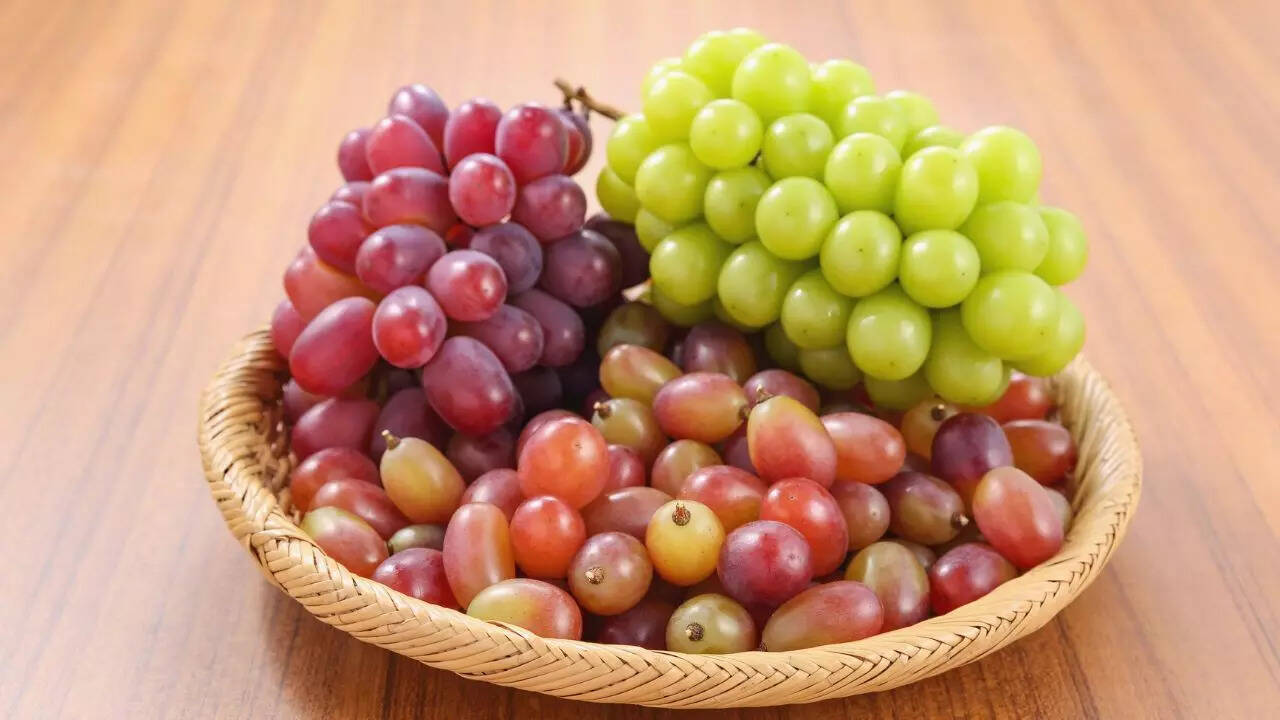
In Spain, the approach of midnight fills living rooms with bowls of grapes. As the clock chimes twelve times, people eat one grape with each chime in the hope of inviting good luck for every month ahead. It sounds straightforward, but it becomes chaotic quickly, with laughter and mild panic as everyone tries to keep pace. This tradition has travelled across Spanish-speaking regions and into households far from its origins, mostly because it gives a simple action weight and excitement. In many places, the ritual continues even among those who do not fully believe in luck, because it feels like the right way to greet the year.
Prosperity foods linked to New Year’s Eve superstitions
Italy brings lentils to the table on New Year’s Eve because they resemble coins. Lentils are often served with sausage, creating a meal that looks humble but carries a story about prosperity. In the Southern United States, black eyed peas turn up for the same reason and are paired with greens and cornbread, the colours hinting at money and gold. Greece offers a slightly different approach with vasilopita, a sweet bread or cake containing a hidden coin. Whoever finds the coin in their slice receives a boost of confidence that stays with them long after dessert is gone.
Warm pastries, fried treats, and festive comfort on New Year’s Eve
Winter cold and fried dough go hand in hand in the Netherlands, where oliebollen appear in markets and at home once December draws to a close. Hot dough dusted with sugar brings warmth that feels cheerful and grounding during long nights. Across parts of central and eastern Europe, pastries and doughnuts act as celebratory food, sometimes linked to abundance and sometimes treated simply as seasonal indulgence. Families continue preparing these dishes year after year, not always because of symbolism, but because the taste and memory combine into tradition on their own.
Long noodles and symbolic New Year’s Eve wishes for long life
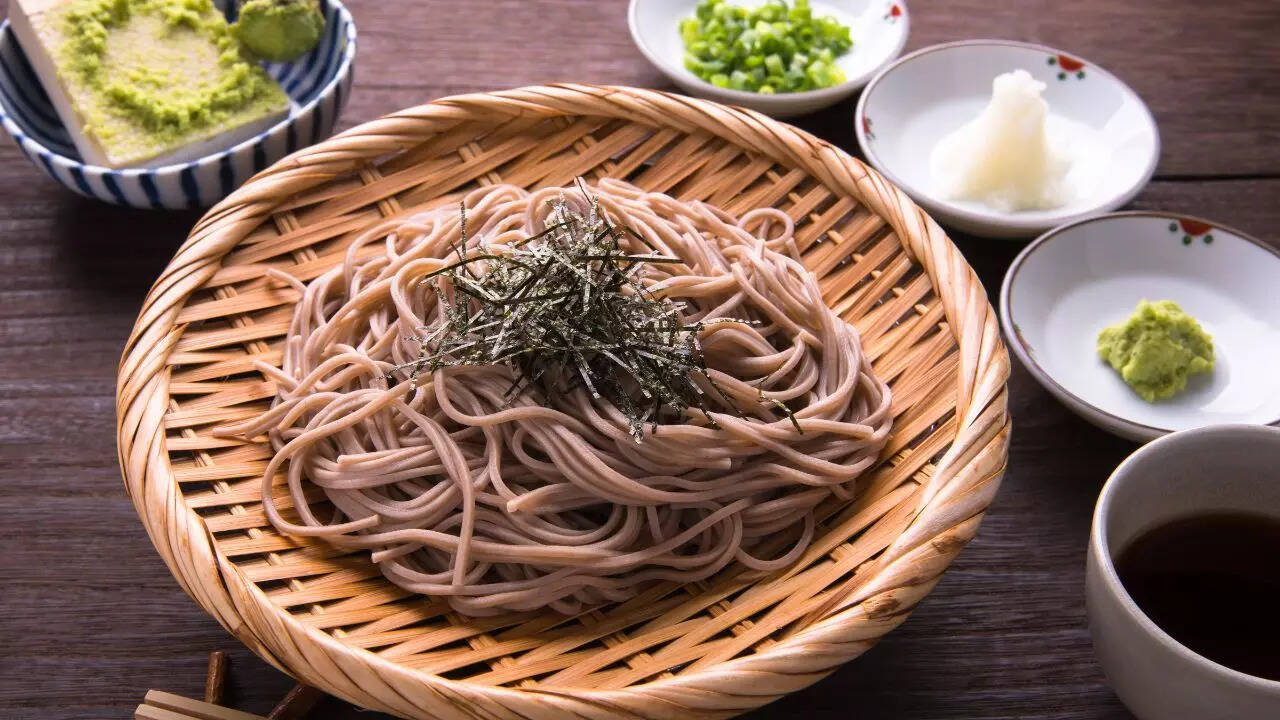
Japan’s toshikoshi soba holds its own ritual meaning. The long strands of buckwheat noodles represent a wish for a long life, and the act of biting through them is sometimes said to mark the cutting away of the past year. People eat them thoughtfully, treating the meal as a small moment of transition. Similar ideas appear in parts of East Asia where length in noodles is valued because it feels symbolic of endurance and resilience. Even when belief fades, many keep eating long noodles at this time of year out of respect for an older custom that still feels comforting.
Shared preparations and togetherness in New Year’s Eve cooking
In Mexico and across Latin American regions, New Year’s Eve often involves tamales made in large batches. The work of filling and wrapping becomes a family task that stretches across hours. The luck here feels less linked to money and more to staying connected. Eating together at the end of the year turns cooking into an expression of care and continuity. Even those who have moved away often return to this tradition because preparing tamales with family carries a kind of emotional warmth that shows up only during the holidays.
Why New Year’s Eve food traditions continue to shape celebrations
New Year’s Eve food traditions may not control anyone’s future, but they shape the mood of the night as one year hands itself to the next. They allow families to repeat gestures that feel older than memory and add meaning to an ordinary meal. Whether people eat grapes quickly as the clock strikes, simmer lentils for wealth, share tamales for unity or slurp noodles in silence, each dish becomes a step into the unknown with a touch of hope. Even those who do not believe in luck often enjoy these rituals for what they represent: a chance to pause, wish gently and start again with something familiar on the plate.