Jensen Huang: Nvidia CEO Jensen Huang gives update on China after CFO Colette Kress said last month that ‘we have yet to generate any revenue’ from H200 chips |
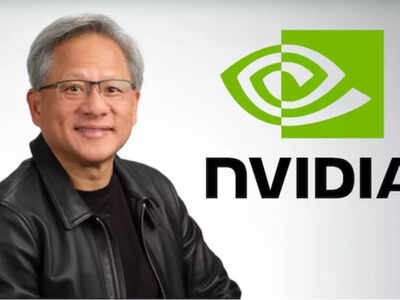
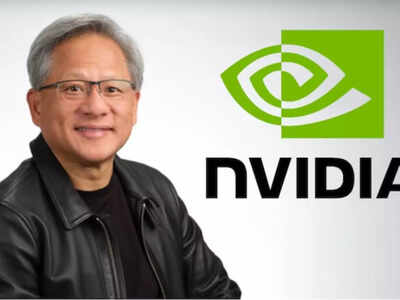
Nvidia CEO Jensen Huang said that the company is now preparing to resume sales of its H200 processors in China, marking a shift after months of uncertainty, as reported by CNBC. “We have received purchase orders, and we’re in the process of restarting our manufacturing,” Huang told reporters at the GTC conference in San Jose. He further added that Nvidia now has clearance from both US and Chinese authorities enabling its supply chain to ‘get fired up’ again.
Nvidia yet to generate revenue from H200 chips in China
The update from Nvidia comes week after CFO Colette Kress told the analysts that the company had ‘yet to generate any revenue’ from the H200 chips in China, despite limited approvals. China once accounted for at least one-fifth of Nvidia’s data center revenue, but sales were halted last year when the Trump administration required export licenses for advanced chips. Nvidia took a $5.5 billion charge due to the restrictions.In order to comply with US rules, Nvidia initially developed a lower-capability chip, the H20, for the Chinese market. But in December, US President Donald Trump allowed shipments of the more advanced H200, provided the U.S. government receives a 25% cut of sales. Even with that approval, security reviews in both countries delayed shipments until now.
Poll
Do you believe Nvidia will successfully regain its market share in China?
Despite being shut out of China, Nvidia reported 73% revenue growth in its latest quarter, marking its 11th straight period of growth above 55%. For the current quarter, the company forecast growth of about 77%, assuming no data center revenue from China.While Huang’s comments signal progress, U.S. license requirements remain burdensome, with caps on shipments, mandatory third-party testing, and revenue-sharing obligations. Still, the restart of H200 sales in China could help Nvidia regain a critical market that has long been central to its global data center business.