Jamnagar blueprint heads to Texas in Trump–Reliance refinery push
AP file photo
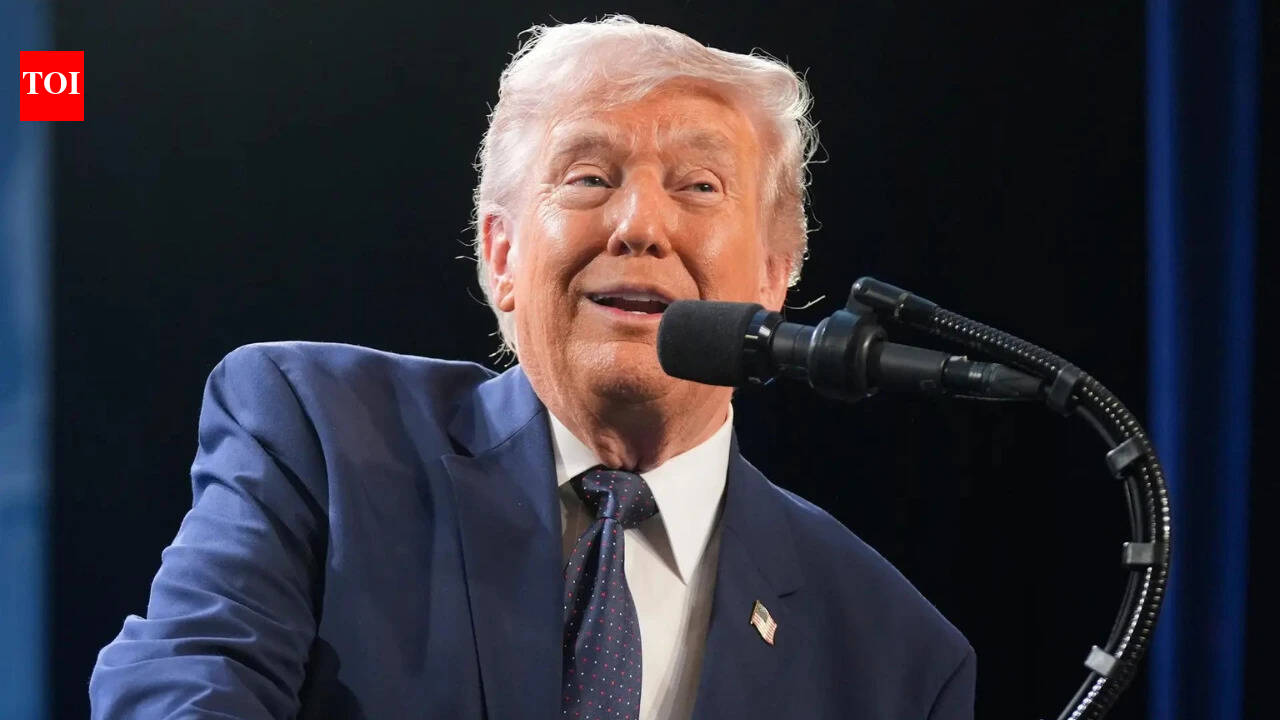
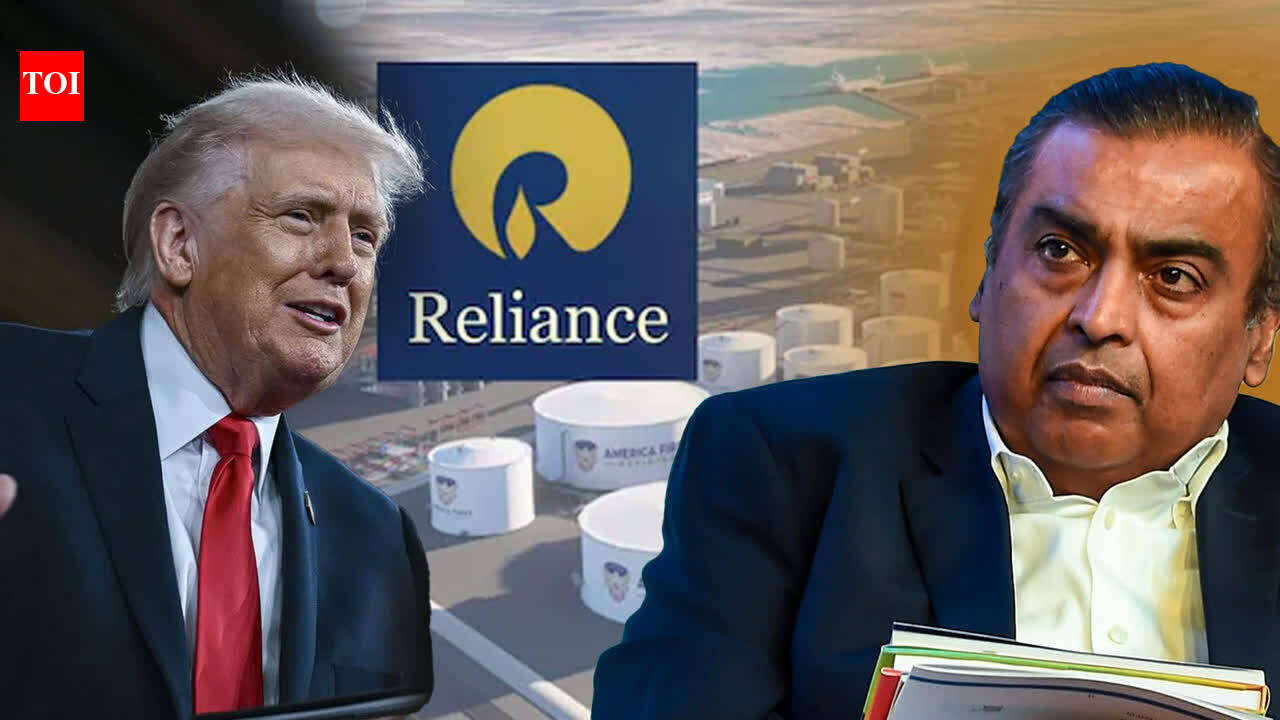
In the world of global energy, there are projects that are ambitious, and then there are projects that are “Trumpian.” When MAGA supremo Donald Trump announced on Tuesday that the United States would build its first new oil refinery in half a century—with backing from India’s Reliance Industries—he framed it in characteristic superlatives. “America is returning to real energy dominance,” Trump declared, hailing what he called a “historic $300 billion deal,” the largest energy investment in American history.Strip away the hyperbole and the announcement still represents something unusual: a major new American refinery—planned for the Port of Brownsville, Texas—with a leading investor from India, a country simultaneously navigating oil ties with Russia, Iran and the US The project reflects a rare convergence of geopolitical derring-do, energy economics, and billionaire diplomacy linking Trump with India’s richest family, the Ambanis.
The proposed refinery— under the banner “America First Refining”—is designed to process American shale crude and export refined fuels such as gasoline, diesel and jet fuel. If completed, it would help address a structural mismatch in the American energy system: the country produces vast quantities of light shale oil but many existing refineries were built decades ago to process heavier imported crude.More striking than the proposed refinery itself is the identity of the partner. Reliance, controlled by Mukesh Ambani, is not merely another foreign investor. It operates the world’s largest refining complex at Jamnagar in Gujarat and has quietly become one of the most technically sophisticated refiners in the global oil business.To understand why Reliance is the chosen partner for a Texas revival, one must look at the barren Jamnagar landscape in the late 1990s. There, against the advice of every global consultant who cited a lack of water, power, and roads, Reliance Industries, then under the tutelage of Dhirubhai Ambani, built RPL, the world’s largest the world’s largest grass-roots oil refinery, a gigantic 1.24 million-barrel-per-day ecosystem that fundamentally changed the global oil trade. The Jamnagar Refinery’s uniqueness lies in its Nelson Complexity Index (NCI) of 21.1—the highest in the world; NCI is a measure of an oil refinery’s capability to produce high-value products While most refineries are “simple” plants that require high-quality “sweet” crude, Jamnagar was built to process the “bottom of the barrel” oil—heavy, sour, and cheap crudes from places like Venezuela and Iran, both in the news in recent weeks — and transform them into ultra-premium fuels that met strict European and American environmental standards.This technical audacity turned India from a fuel-deficit nation into a global export hub, even though the country lacks its own oil spigot. It also gave Mukesh Ambani, the “Master Builder” who is said to have lived in a trailer during the project’s construction, a reputation for doing the impossible on a record-breaking timeline. The refinery effectively shifted India from being a net importer of refined fuels to a major exporter. It also turned Reliance from a petrochemicals firm into a global refining powerhouse – and a company whose speed and execution became the stuff of lore.So in Brownsville, the US is not just getting capital; it is effectively buying the “Reliance Blueprint” to solve its own structural mismatch; in return, Reliance — and India — get a “Jamnagar West.” A small additional detail: there is a US mid-term election coming up in November and sub-par performance in Texas will be a disaster for MAGA. Typically, it is Washington’s famed lobbyists who grease the wheels of such deals. But from all accounts, the “Donesh Trumpani” alliance was fueled by what can best be described as dynastic diplomacy that has been some years in the making. It all began with Ivanka Trump’s 2017 visit to Hyderabad for the Global Entrepreneurship Summit where Mukesh Ambani first met her. By March 2024, she and Jared Kushner — and their daughter Arabella — were personal guests at the Ambani pre-wedding celebrations — in Jamnagar. Donald Trump Jr.’s 2025 visit to Vantara, the Ambanis’ massive animal conservation project in Gujarat, further signaled a bonding between the heirs of both empires, months after Mukesh Ambani and Nita Ambani attended Trump’s second inauguration in January. Weeks later, the Reliance honcho met Trump again in May during a state dinner hosted by the Emir of Qatar, another key player and a major Reliance investor via the Qatar Investment Authority (QIA). Spurring the deal in recent says was the newly-arrived US ambassador to New Delhi, Trump confidante Sergio Gor. Seated next to Mukesh Ambani during the India-US T20 world cup cricket game, they were said to be discussing more than fours and sixes, navigating the volatile oil politics of a world spiraling into war. The deal arrives at a moment of extreme geopolitical tension. For two years, Washington has pressured New Delhi to stop purchasing discounted Russian oil. India, with its doctrine of multi-alignment, stubbornly refused. Just as it appeared to cave, the tide has turned. Following the escalation of conflict in the Middle East and the subsequent US-Israel attack on Iran, the Strait of Hormuz—a chokepoint for 20% of global oil— is facing closure. Washington suddenly needs India’s cooperation to stabilize global prices. Again. Ironically. Just like the Biden administration did.New Delhi too has wasted no time in greenlighting the “softening” by encouraging India’s largest private firm to invest in a flagship Trump project. In a classic Trump turnaround, Washington has now relaxed pressure on Russian oil waivers — seemingly in exchange for Reliance’s massive commitment. With a Texas leap of faith, India effectively “shields” itself — and Reliance — from potential future U.S. tariffs, while giving Trump a win in the energy sector he can brag about. And boast he did in typical Trump fashion, claiming “a historic $300 billion deal…” The truth is rather more modest. One energy analyst tempered the hyperbole saying a top tier refinery typically costs between $15 billion and $25 billion and the $300 billion figure Trump threw out likely includes the total cumulative value of the project over a 20-year offtake agreement. But who cares? For now, the heat is off on the tariff front, even though the fires raging in the middle east represent a new danger.