
Iran temporarily shuts parts of Strait of Hormuz — why it matters far beyond the Gulf
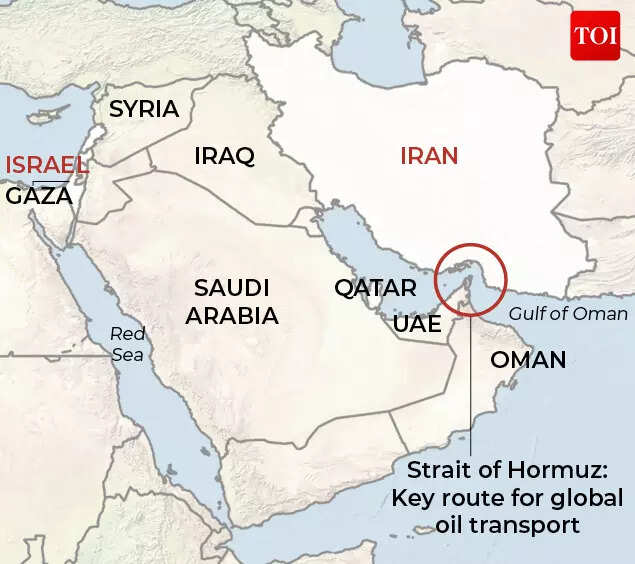
Iran has temporarily closed parts of the Strait of Hormuz, one of the world’s most critical energy chokepoints, as tensions with the United States escalate. Iranian state and semi-official media reported live-fire naval drills in the narrow waterway, with missiles launched from inside Iran and along its coast reportedly striking targets in the strait.The closure, described by Iranian media as lasting several hours for “safety and maritime concerns”, marks a rare and potentially unprecedented step. Around 20 per cent of the world’s oil and gas supplies transit through the strait. Any sustained disruption could send shockwaves through global energy markets and international trade.
The move comes as Washington increases its military presence in the region and nuclear talks between the two countries resume in Geneva. The US military has previously warned Tehran against “unsafe and unprofessional behaviour” near American forces and commercial vessels operating in the area.
A vital artery for global energy
The Strait of Hormuz lies between Iran to the north and Oman and the United Arab Emirates to the south, linking the Persian Gulf with the Gulf of Oman and the Arabian Sea. At its narrowest point it is about 33 kilometres wide, with shipping lanes just a few kilometres across in either direction.On average, roughly 20 million barrels of crude oil, condensate and fuels pass through the strait each day. Major producers including Saudi Arabia, Iraq, Kuwait, Qatar, the UAE and Iran rely on it to export energy, much of it bound for Asia.The economic stakes are enormous. Nearly half of India’s crude oil and around 60 per cent of its natural gas imports pass through the strait. China, Japan and South Korea are also heavily dependent on supplies shipped through these waters. Any prolonged closure would likely push up oil prices sharply, raising fuel, manufacturing and transport costs worldwide and fuelling inflation.Although Saudi Arabia and the UAE have developed pipelines that bypass the strait, analysts say alternative routes can only handle a fraction of the volumes that normally pass through Hormuz.
Rising military tensions
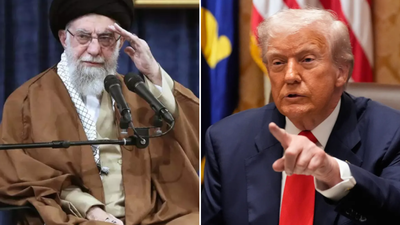
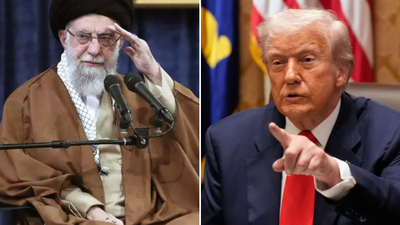
The temporary closure follows reports that Iranian gunboats approached a US-flagged tanker in the area and that the US shot down an Iranian drone near the aircraft carrier USS Abraham Lincoln in the Arabian Sea. Iran’s Revolutionary Guard has launched large-scale maritime drills dubbed “Smart Control of the Strait of Hormuz”, including live surface firing.Iran’s parliament has approved a motion backing closure of the strait, though the final decision rests with the Supreme National Security Council under Supreme Leader Ayatollah Ali Khamenei. Khamenei warned that even the “strongest army in the world” could receive a blow it could not recover from, adding that weapons capable of sinking warships were more dangerous than the vessels themselves.US Secretary of State Marco Rubio has described a full closure as “economic suicide” for Iran, urging China to use its influence given its heavy reliance on Gulf oil.Iran has threatened to close the strait before, including during the Iran-Iraq “Tanker War” of the 1980s and in response to sanctions in 2012, but has never fully followed through. Whether this latest move remains symbolic or signals a deeper escalation will determine not only the course of US-Iran tensions, but the stability of the global economy itself.