
Human musculoskeletal system was not built for ‘chair life’: Doctor reveals the hidden perils of modern living for young adults |
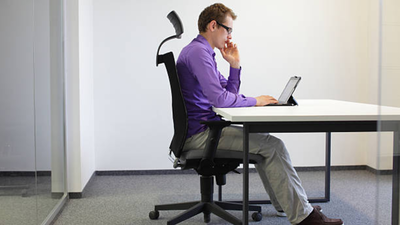
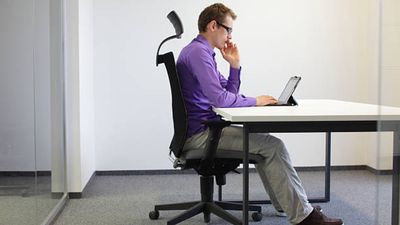
There was a time when being tired at the end of the day meant you had actually moved your body. Now it usually means you have been staring at a screen for nine hours. Desk jobs have quietly reshaped the way young people live. We wake up, sit through traffic, sit at work, sit during lunch, sit on the way back, and then sit some more scrolling on our phones. And we call this a “normal routine.”But our bodies don’t think it’s normal.“Modern life has quietly normalised something the human body never adapted for: sitting for most of the day. Long hours at desks, time spent commuting, meals eaten seated, evenings on the couch, movement has been compressed into narrow windows, often labelled as “workouts,” while the rest of the day unfolds in a chair,” says Dr. Prabhat Reddy Lakkireddi, Director – Orthopaedics, Arthroscopy, Sports Injuries, Robotic & Joint Replacement Surgery, Arete Hospitals.“From an orthopaedic perspective, this shift shows up clearly in the kind of problems younger adults now present with,” he adds.
Human body evolved for frequent movement
The human body was built to move. Muscles are meant to stretch, joints are meant to rotate, and the spine isn’t designed to stay bent over a laptop all day. When you sit for hours without a break, your hip muscles tighten, your back stiffens, and your neck starts to crane forward. That dull ache in your lower back? It’s not just “bad posture.” It’s your body protesting. Over time, these small daily strains pile up. Young adults in their 20s are now complaining of back pain that used to show up in people twice their age.“The human musculoskeletal system evolved for frequent, varied movement. Walking, squatting, reaching, carrying, and changing postures were once part of daily life. Sitting, by contrast, was brief and intermittent. Prolonged sitting places the hips in sustained flexion, reduces activation of core and gluteal muscles, and increases load on the lumbar spine and neck. Over time, tissues adapt, not in helpful ways,” explains Dr. Prabhat Reddy and shares the common issues that youngsters face these days due to long sitting hours.One common consequence is hip flexor tightness. When muscles at the front of the hip remain shortened for hours, they begin to resist extension. This alters pelvic alignment, often increasing strain on the lower back. Many people experience this as dull lumbar pain, stiffness on standing, or discomfort after long periods of inactivity rather than during movement itself.The upper body is affected just as predictably. A forward head position, rounded shoulders, and slouched thoracic spine increase stress on cervical discs and surrounding muscles. Neck pain, tension headaches, shoulder impingement, and early degenerative changes are now frequently reported by individuals in their twenties and thirties — an age group once considered low-risk for such issues.Knees and ankles are not spared. Reduced daily movement weakens the muscles that stabilise joints, particularly the quadriceps, hamstrings, and calf complex. When physical activity is then condensed into short bursts — weekend sports, intense gym sessions — joints are asked to perform without adequate conditioning. This mismatch contributes to overuse injuries, tendinopathies, and cartilage stress.
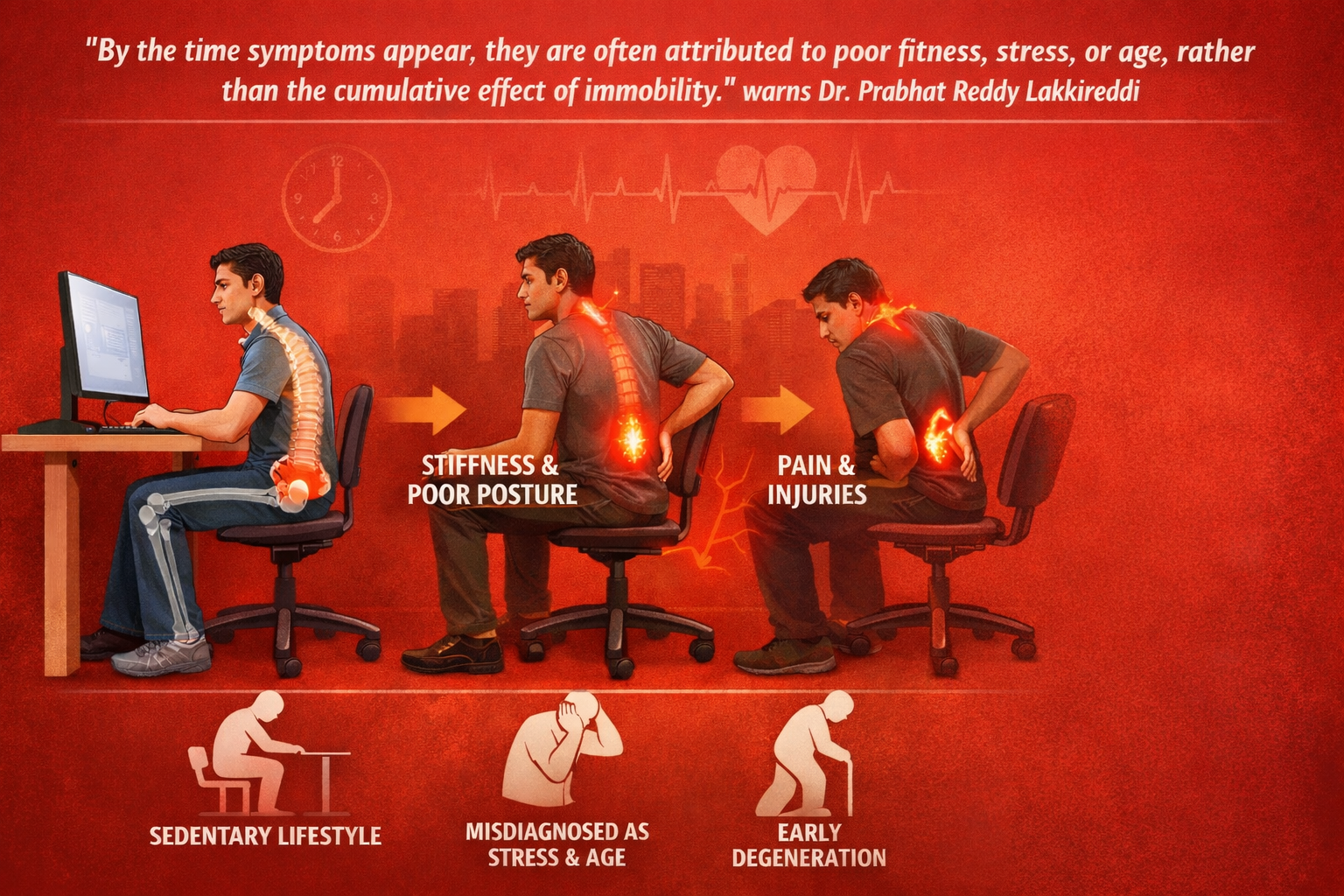
“What makes “chair life” particularly challenging is that discomfort often builds slowly. Pain may be absent for years, while stiffness and poor movement patterns quietly set in. By the time symptoms appear, they are often attributed to poor fitness, stress, or age, rather than the cumulative effect of immobility,” warns the doctor.
Early symptoms
Many people begin to recognise the effects of prolonged sitting in small, easy-to-dismiss ways:
- Stiffness on getting out of bed or standing up after long meetings
- A tight, pulling sensation across the hips by evening
- Neck or upper-back discomfort that builds toward the end of the workday
- Knees feeling “rusty” during the first few steps after sitting
- A sense of fatigue that movement briefly relieves
These signals are not signs of weakness or poor fitness. They are early markers of a body asking for more frequent motion.
Are desk jobs or seated work harmful?
“This does not mean desks or seated work are inherently harmful,” says Dr. Prabhat Reddy. “The issue is duration and monotony. The body tolerates almost any posture briefly. It struggles with the same posture repeated for hours. Orthopaedic health benefits from frequent positional changes more than from perfect posture. Standing up every 30 to 45 minutes, taking short walking breaks, stretching hips and thoracic spine, and alternating between sitting and standing workstations all reduce tissue strain. Even small movements — shifting weight, gentle spinal rotation, brief mobility drills — help maintain joint nutrition and muscle balance,” he adds.Medical experts consulted This article includes expert inputs shared with TOI Health by: Dr. Prabhat Reddy Lakkireddi, Director – Orthopaedics, Arthroscopy, Sports Injuries, Robotic & Joint Replacement Surgery, Arete HospitalsInputs were used to explain why movement is very important for human body and what are the perils of modern living.