Harvard slashes Ph.D. intake across humanities and social sciences: Departments make plans to keep UG courses running
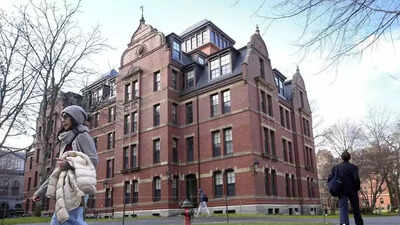
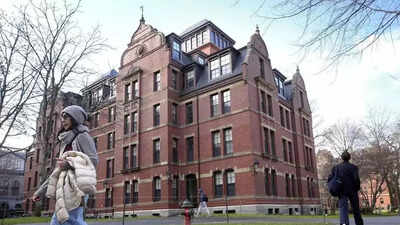
Harvard University’s recent decision to sharply reduce Ph.D. admissions is set to affect undergraduate teaching across several departments in the next two years, according to The Harvard Crimson. The cuts, part of a broader effort to address a $350 million budget shortfall, are prompting departments to explore alternatives to maintain teaching support for undergraduates.Currently, first- and second-year graduate students do not teach, giving the university a short window before the smaller cohort reaches the teaching-heavy third year. However, teaching fellows (TFs) are essential for running sections, tutorials, and grading, particularly in humanities and social sciences, making early planning necessary.
Philosophy department faces reduction in graduate teaching fellows
Edward J. Hall, professor of Philosophy and head of undergraduate studies, said the department may need faculty to take on additional teaching responsibilities. The Harvard Crimson reports that Philosophy will be allowed to admit only four graduate students over the next two years, down from the usual twelve. The department is exploring the possibility of collaborating with graduate students from the Massachusetts Institute of Technology to fill the gap.Hall noted that maintaining TFs trained in philosophy is a “non-negotiable,” ruling out borrowing graduate students from other Harvard departments. The department is also considering course caps to manage reduced teaching resources, even if it limits student access to some seminars.
Economics department considers broader staffing solutions
The Economics department is exploring alternative teaching arrangements. Senior lecturer Jeffrey A. Miron, director of undergraduate studies, told The Harvard Crimson that the department may hire economists from the Boston Federal Reserve or graduate students from other local universities. Undergraduate course assistants may support grading in cases where assessments are objective, though graduate-level expertise will still be required for advanced courses.Hybrid staffing models are likely to become more common, with courses previously staffed by ten graduate students potentially relying on two graduate students and eight undergraduate assistants.
Departments seek to preserve seminar-style learning
Programs with seminar-style teaching, such as History and Literature, are assessing how reduced TF numbers will affect course offerings. Angela S. Allan, associate director of studies in the program, said they are determining the number of seminars they can maintain while preserving the tutorial experience.Dean of Undergraduate Education Amanda Claybaugh acknowledged the uncertainty, stating, “Our students came here for a great education, and we’ll make sure they get it,” while avoiding specifics on potential contingency measures.
What it means for undergraduate education
Across departments, there is concern that course sizes, caps, and the nature of undergraduate instruction may change if reduced Ph.D. admissions persist. Philosophy and other departments are actively planning to mitigate the impact, but faculty warn that students could face less personalized teaching experiences in the near future.This article draws on a report by The Harvard Crimson.