Explained: How BMC mayor is elected; quota, lottery, voting and the power play behind Mumbai’s top civic post | Mumbai News
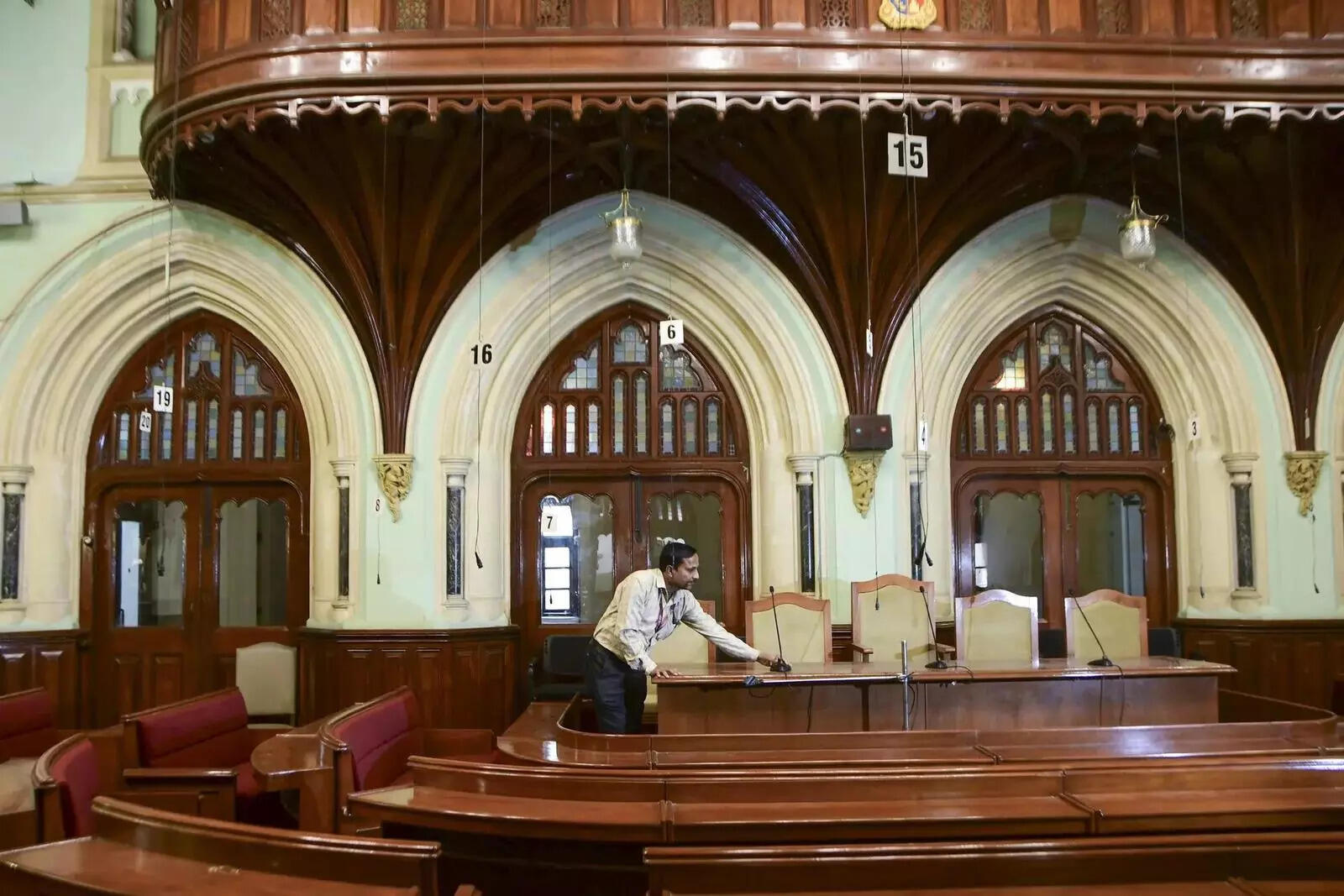
Credits: Timescontent.com/TOI Archives
As Mumbai waits to learn who will hold the title of city’s first citizen, the contest for the India’s richest civic body’s mayor post has turned into a high-stakes political chessboard that goes far beyond the mayor’s chair. Behind the public sparring over symbols, sentiments and seat arithmetic lies a deeper struggle for control over Asia’s richest civic body, its sprawling budget, and the committees that quietly decide how Mumbai is run.
The 2026 BMC election results have delivered a fractured mandate, altered long-standing power equations, and has forced allies Bharatiya Janata Party and Eknath Shinde-led Shiv Sena into hard bargaining. While the mayoral post remains the most visible prize, seasoned politicians admit that the real power in Mumbai’s civic administration lies elsewhere.
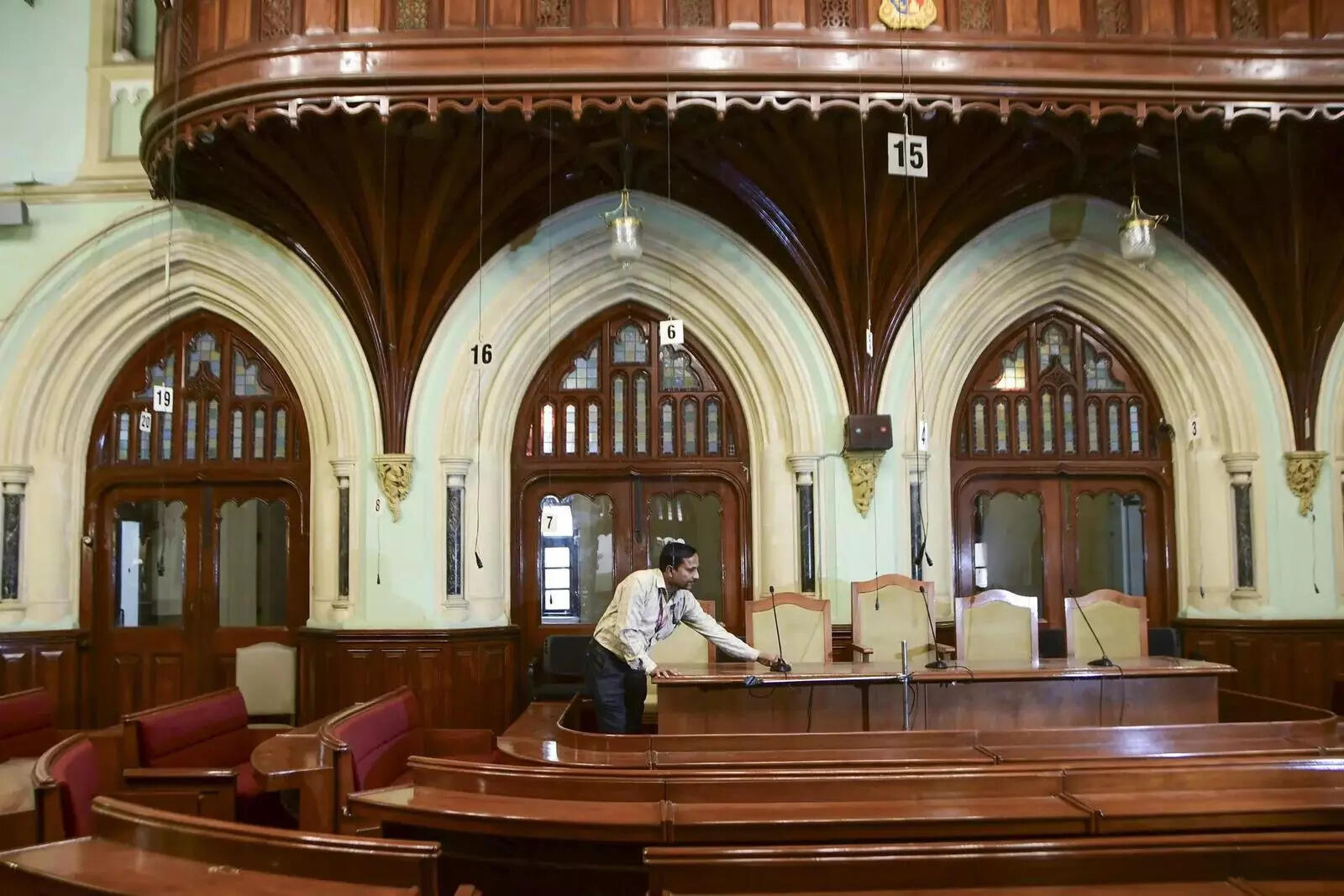
A fractured verdict, a charged atmosphereAfter a delay of nearly four years, the BMC elections finally concluded, and the Maharashtra government officially notified the results through a gazette published under the authority of municipal commissioner Bhushan Gagrani. The notification listed the names of elected corporators from all 227 wards, along with party affiliations and vote counts, in accordance with the Mumbai Municipal Corporation Act, 1888, and the Election Rules, 2006.The BJP emerged as the single largest party with 89 seats, a first in the BMC’s history. Its Mahayuti ally, the Shiv Sena led by deputy chief minister Eknath Shinde, won 29 seats. Together, the ruling alliance commands 118 corporators, comfortably above the halfway mark of 114 required to elect the mayor in the 227-member House.
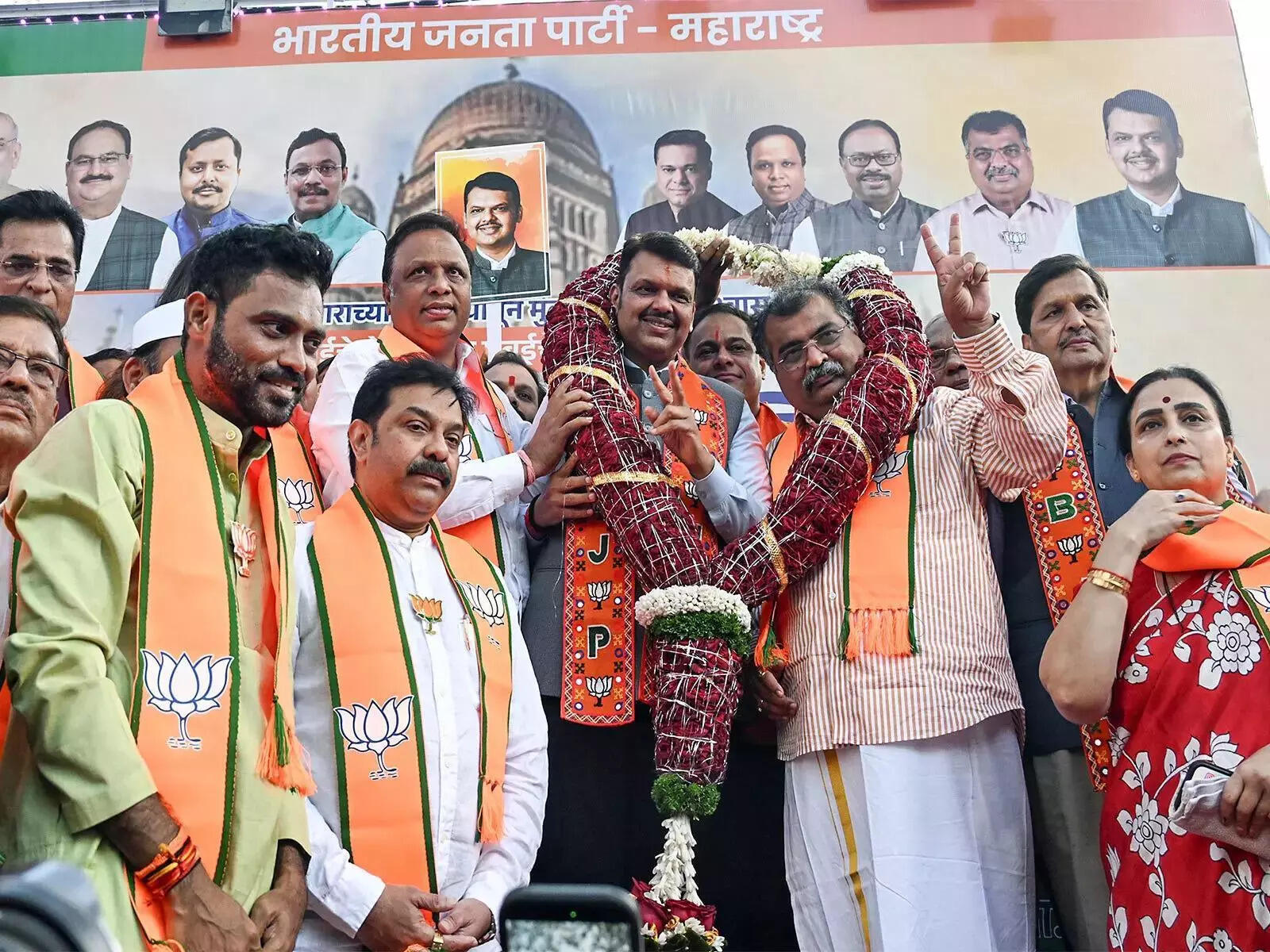
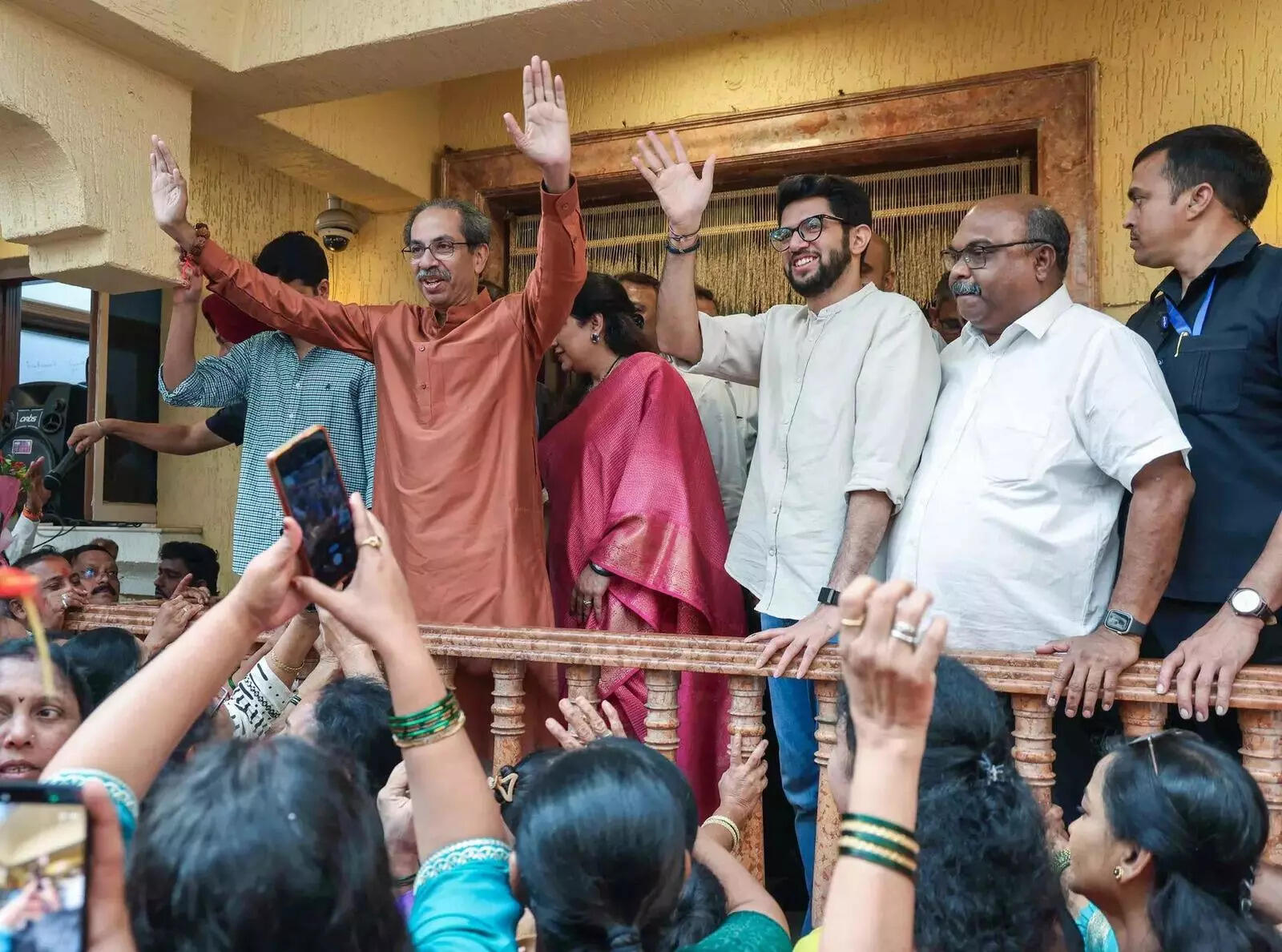
On the opposition benches, the Shiv Sena Uddhav Balasaheb Thackeray faction secured 65 seats, Congress 24, MNS six and AIMIM eight, numbers insufficient to challenge the Mahayuti’s arithmetic but significant enough to shape the political narrative in a divided mandate.Yet, despite the numbers, uncertainty has persisted over who will claim the mayor’s post, underscoring how fragile the post-poll equilibrium remains.Beyond seats, the 2026 BMC polls revealed a deeper churn in Mumbai’s political landscape. Vote share data pointed to a diluted mandate and declining loyalty to traditional powerhouses.The BJP secured 15.4 lakh votes, translating to 28.2% of the vote — a modest increase over 2017. However, analysts noted that much of its success stemmed from an “import strategy” of recruiting strong candidates from rival parties rather than a dramatic expansion of its core voter base.The Shiv Sena’s split told an even starker story. While the undivided Sena had secured 28.3% of the vote in 2017, the Uddhav Thackeray-led faction emerged stronger this time with 24.22%, compared to just 12.78% for the Shinde-led Sena.
Congress and the MNS continued to slide, while voter turnout dipped from 55.53% to 52.94%, hinting at growing voter fatigue in civic elections.How Mumbai chooses its mayorUnlike many global cities where mayors are directly elected by citizens, Mumbai’s mayor is chosen indirectly through a reservation-based process followed by a vote in the BMC General Assembly.That process reached a crucial stage on Thursday when the state Urban Development Department conducted the reservation lottery and reserved the Mumbai Mayor’s post for a woman from the General category.Across Maharashtra’s 29 Municipal Corporations, 16 mayoral posts were reserved. These included one Scheduled Tribe post, three Scheduled Caste posts including two for SC women, eight OBC posts including four for OBC women, and 17 General category posts including nine reserved for women. The lottery was announced in the presence of minister of state for urban development Madhuri Misal, with representatives from major political parties present.
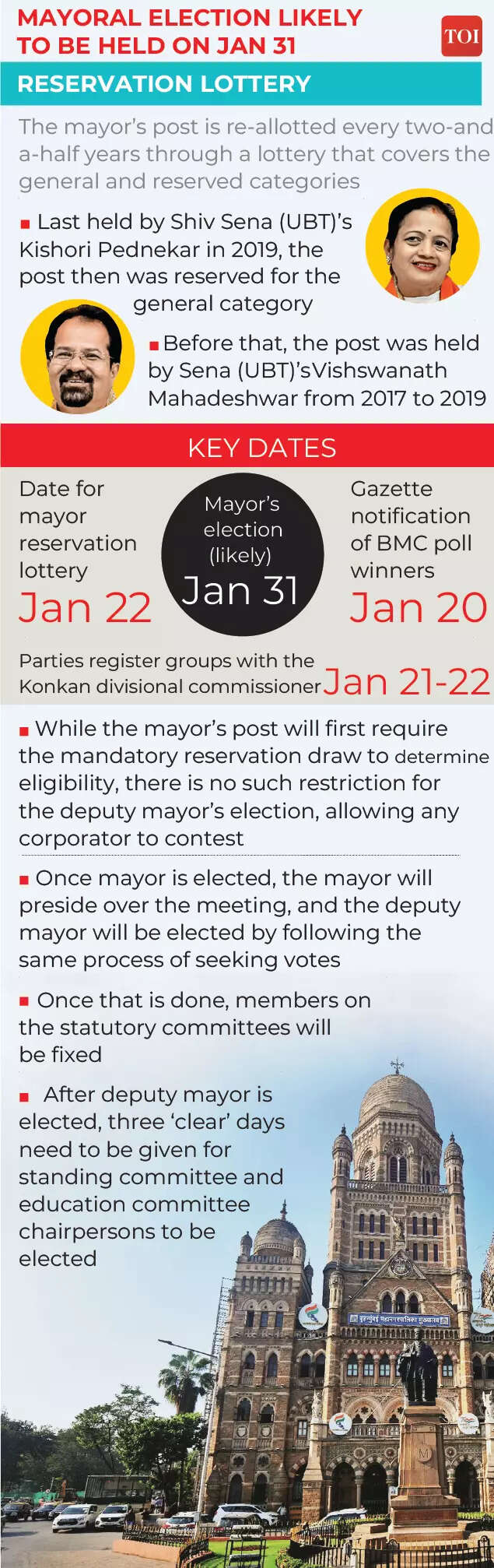
In the Mumbai Metropolitan Region, the mayoral reservation was announced as follows. Navi Mumbai was reserved for General Woman, Panvel for OBC, Thane for Scheduled Caste, Ulhasnagar for OBC General, Kalyan Dombivli for Scheduled Tribe, and Vasai Virar for the General category. With the implementation of 50 percent women’s reservation, 15 Municipal Corporations will have women mayors, while 14 will remain in the General category.Once the reservation is notified, political parties nominate candidates from among their elected corporators, and the mayor is elected at a special meeting of the BMC General Assembly. The candidate securing more than half the votes cast is declared elected. The deputy mayor’s post carries no reservation restriction.The mayoral election is expected later this month, after which the powerful statutory committees of the civic body will be constituted.Reservation row and UBT’s objectionsSoon after the lottery announcement, Shiv Sena Uddhav faction corporator Kishori Pednekar alleged that the reservation exercise violated established norms and was pre-decided to benefit the ruling alliance.“For BMC, the reservation has been in the General category for two consecutive terms already. So far there has never been a woman OBC reservation. There was General category reservation in 2017 and 2019. So there was injustice on OBCs. They made new rules that there have to be three Scheduled Tribe corporators to get that reservation. This was done deliberately because only Sena Uddhav faction has two ST corporators in BMC. So this rule was tweaked and this was a pre-decided lottery. The entire lottery system was rigged, we condemn this,” Pednekar said.She further claimed that the rule requiring a minimum number of ST women corporators for considering ST women reservation was introduced without informing political parties. In the current BMC House, only the Uddhav Thackeray-led Shiv Sena has corporators elected from Scheduled Tribe reserved wards.
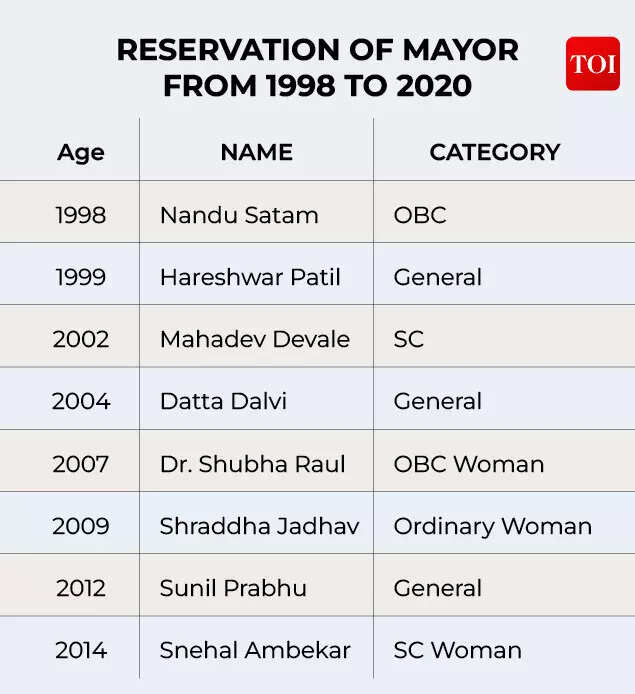
Ahead of the civic elections, two wards, Ward number 53 and Ward number 121, were reserved for ST candidates, and both were won by the Uddhav faction. From Ward 53, Jitendra Valvi defeated the Shinde-led Shiv Sena’s Ashok Khandve, while in Ward 121, Priyadarshini Thackeray defeated Shinde faction candidate Pratima Khopde.“If there was a rotation policy in place, then why did they keep BMC out of this rotation. Despite our objection the state government went ahead with the lottery. This is grave injustice on the OBCs and STs,” Pednekar said.Civic officials, however, pointed out that an ST candidate need not necessarily be elected from an ST-reserved ward to contest the mayoral election, provided the corporator holds a valid ST certificate.Symbolism versus substanceWhile the mayor’s post carries immense symbolic value, especially in a city where the Shiv Sena held the office for nearly three decades, its administrative powers remain limited.As Sanjay Raut of the Shiv Sena Uddhav faction has noted, unlike mayors in cities such as London or New York, the Mumbai mayor’s role is largely ceremonial, with real authority vested in the municipal commissioner.This structural reality explains why the fiercest bargaining is taking place not over the mayor’s chair but over control of the standing committee and other statutory bodies that decide finances, land use and civic priorities.
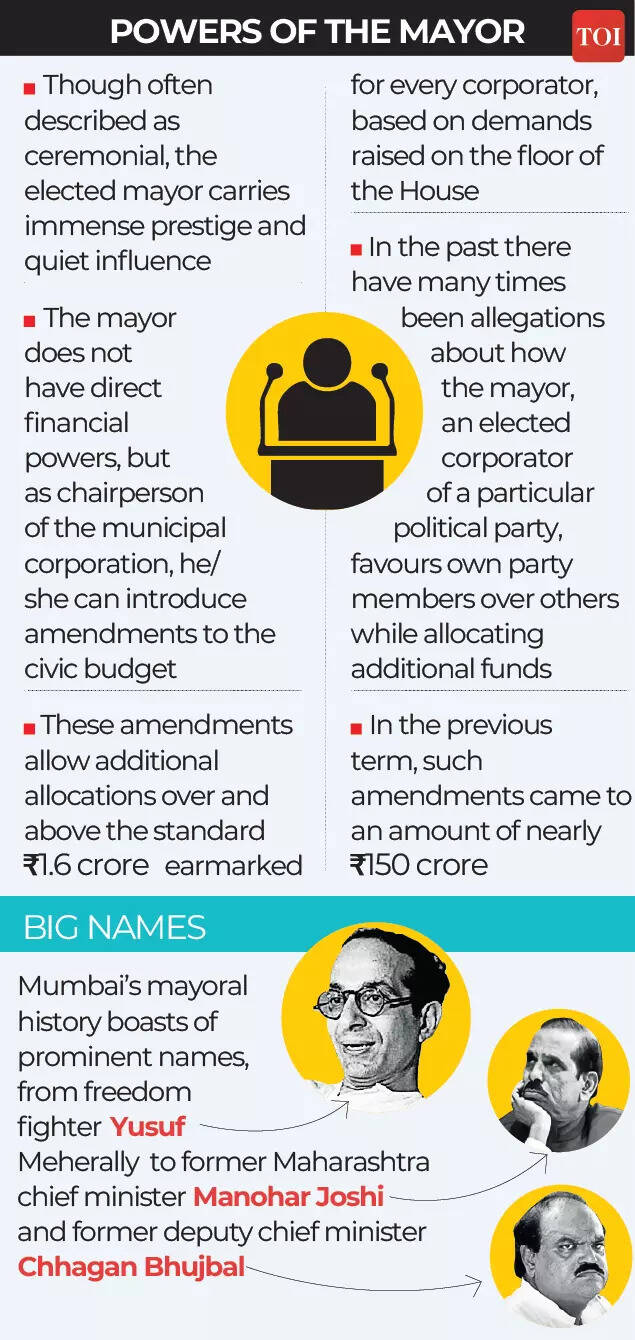
The real centres of powerAmong the standing committee, improvement committee, education committee and BEST committee, the standing committee remains the most powerful, clearing financial proposals worth more than Rs 10,000 crore annually.In 2017, all key committee chairpersons were from the undivided Shiv Sena. This time, with the BJP emerging as the single largest party, intense negotiations are expected over committee control.Beyond Mumbai, bargaining has extended to neighbouring civic bodies such as Kalyan Dombivli and Ulhasnagar, where neither ally has a clear majority, making suburban corporations critical leverage points in the larger Mahayuti negotiations.Inside the Mahayuti negotiationsAs the tussle over the mayor’s post continued, BJP legislator Niranjan Davkhare made a strong pitch for the party to hold the mayor’s post in the Thane civic body for two years, highlighting how negotiations extend beyond Mumbai.Deputy CM Eknath Shinde sought to play down differences, saying the mayor in the BMC would be from the Mahayuti and that there was no dispute with the BJP. He also dismissed speculation about new political equations forming in Mumbai or elsewhere in Maharashtra.“We will not do the same as Uddhav Thackeray, who formed a govt in 2019 disrespecting the public mandate. We respect the public mandate,” Shinde said. “Our fight is not for power or chair, our fight is for the development of Mumbai.”He added that wherever the Mahayuti had contested together — including Thane, Kalyan-Dombivli and Ulhasnagar — a Mahayuti mayor would be elected.At the same time, Sena functionaries have hinted that Bal Thackeray’s birth centenary on January 23 adds emotional weight to their claim. “It is Balasaheb Thackeray’s birth centenary… so workers may have a desire to see the mayor from Sena. We will discuss this,” Shinde said.Beyond Mumbai: the suburban bargaining chipsBehind the scenes, sources suggest that the real bargaining chip may lie outside Mumbai — in neighbouring civic bodies like Kalyan-Dombivli and Ulhasnagar, where neither ally has a clear majority.In Kalyan-Dombivli Municipal Corporation (KDMC), the Shiv Sena emerged as the single largest party with 53 seats, while the BJP won 50 in the 122-member House. In Ulhasnagar, the BJP secured 37 seats and the Shiv Sena 36 in a 78-member House — both just short of the majority mark.“These are Sena bastions. If we get the mayor’s post in both these corporations, we may go soft in Mumbai,” a senior Sena functionary said, even suggesting openness to a 2.5-year power-sharing formula in the BMC.BJP leaders publicly deny any quid pro quo, insisting no formal discussions have taken place. Privately, however, both sides acknowledge that municipal politics across the Mumbai Metropolitan Region are deeply interconnected.How powerful is the BMC?At the heart of the mayoral contest lies the sheer scale of the BMC itself. With an annual budget that often exceeds Rs 60,000 crore, the BMC rivals — and in some cases surpasses — the budgets of several Indian states.
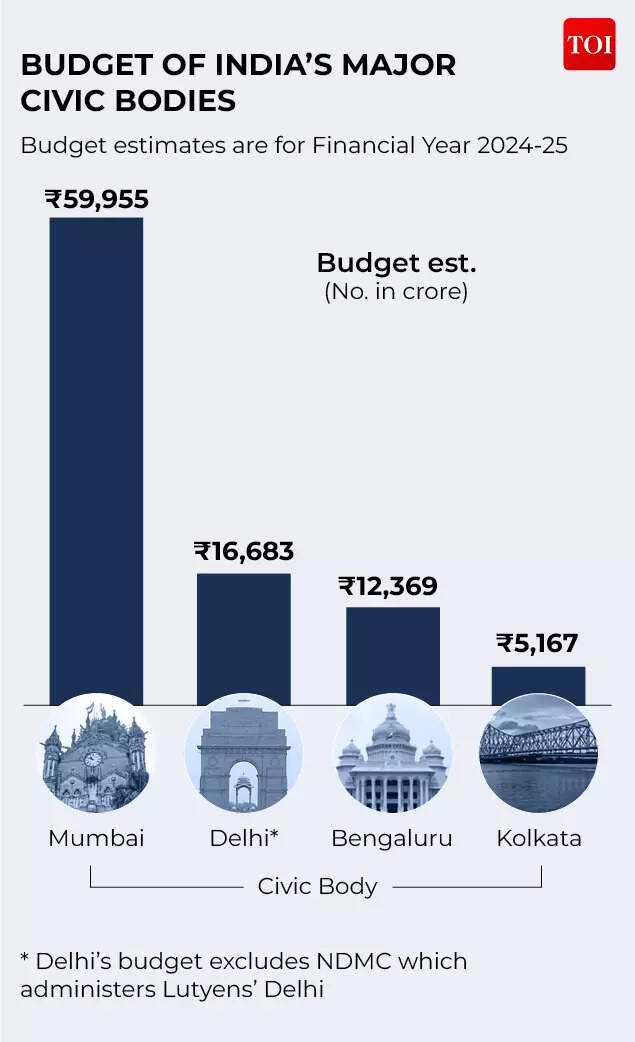
It oversees everything from roads, water supply and drainage to public health, primary education and the iconic BEST transport undertaking. Its financial autonomy and asset base make it one of the most powerful municipal bodies in Asia.In comparison, Delhi’s Municipal Corporation operates under far tighter control from the central and state governments, while Kolkata Municipal Corporation, though influential, commands a smaller budget and less autonomy.Mumbai’s civic body, by contrast, sits at the intersection of money, land and politics — making control over its committees as consequential as control over the mayor’s office.A ceremonial crown, a consequential battleAs corporators are moved into hotels and negotiations spill across Mumbai and New Delhi, the mayoral race has become about far more than a ceremonial crown.It is a contest over who controls the levers of India’s most powerful civic institution at a moment when Mumbai’s electorate has delivered a fractured verdict and forced uneasy allies to confront their contradictions.Whether the BJP installs its first-ever mayor in Mumbai or the Shiv Sena extracts symbolic or strategic concessions in the name of legacy, the outcome will shape not just the city’s civic administration but the future contours of urban politics in Maharashtra.