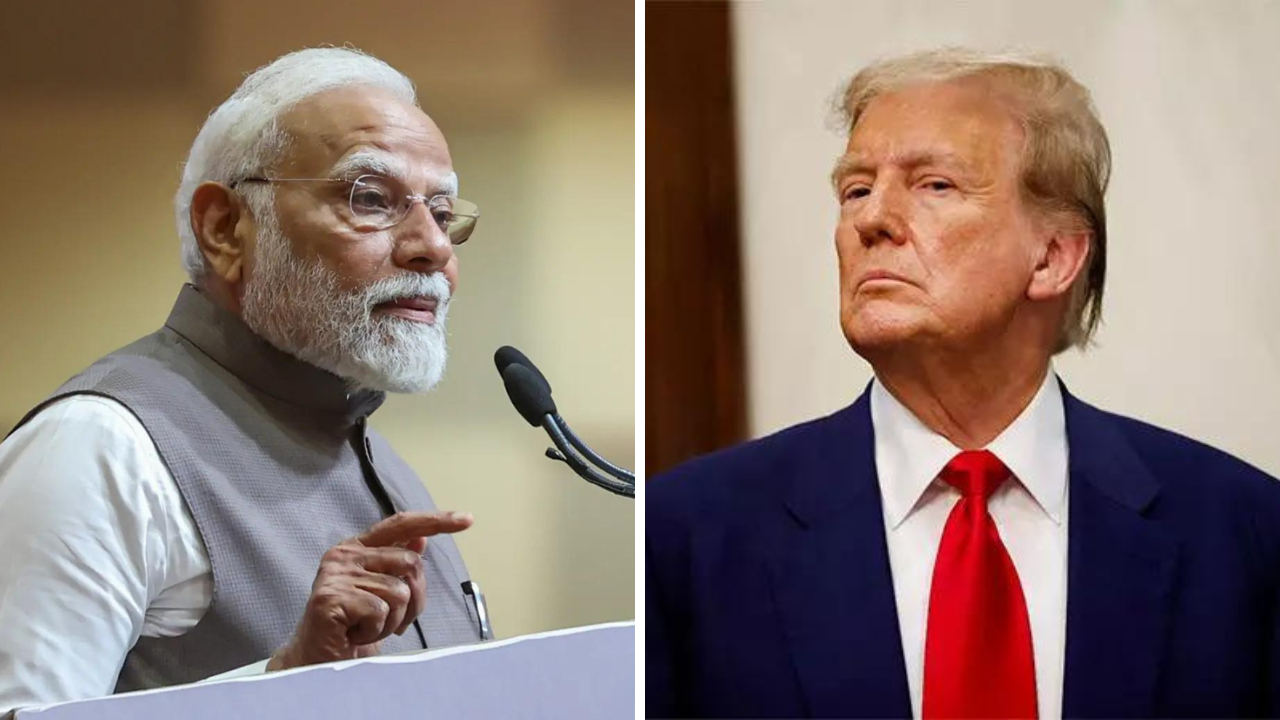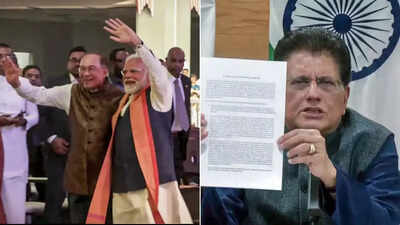
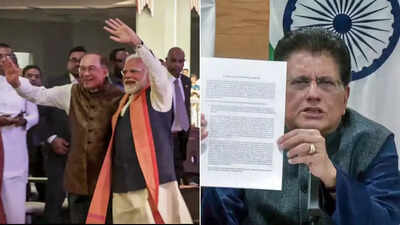
- During his two-day visit to Malaysia, PM Modi interacted with and praised the Indian diaspora in Kuala Lumpur, highlighting strong cultural ties and the global significance of Tamil language and culture.
- India and the US agreed on an interim trade framework reducing tariffs, expanding market access, and addressing multiple sectors including agriculture, manufacturing, and technology.
- The US ended the extra 25% tariff on Indian imports, lowering tariffs from 50% to 18% as part of the interim trade framework.
- Opposition leaders criticised the India-US trade deal, warning it could harm farmers, reduce tariffs excessively, and compromise India’s interests.
- Police investigating the deaths of three minor sisters in UP’s Ghaziabad say the case reveals a complex family situation, emotional distress, and isolation, with new details emerging about the father’s deceased live‑in partner.
Here are the top 5 news of the day:
PM Modi addresses Indian diaspora in Malaysia, highlights cultural ties
Prime Minister Narendra Modi, during his two-day visit to Kuala Lumpur celebrated the strong cultural and emotional ties between India and Malaysia, interacting with the Indian diaspora and praising the community for preserving traditions and acting as a “living bridge” between the two nations. Highlighting Malaysia’s large Indian-origin population and the global significance of Tamil language and culture, he recalled his friendship with Malaysian PM Anwar Ibrahim and shared anecdotes of cultural exchanges, including Indian cinema and music. Read full story
From agricultural protection to preferential quota on auto: What each sector got in India-US trade deal
India and the US have agreed on a framework for an interim trade deal to reduce tariffs, expand market access, and prepare for a broader Bilateral Trade Agreement. The pact cuts tariffs on Indian manufacturing exports and US industrial goods, provides limited access for agricultural products while protecting sensitive staples and dairy, and addresses pharmaceuticals, medical devices, automobiles, aircraft, technology, and digital trade. It also aims to strengthen supply chains and economic security. Read full story
US lifts 25% tariff on Indian Imports, India-US trade framework eases tensions
US President Donald Trump has lifted the additional 25% tariff on Indian imports that was imposed over India’s purchases of Russian oil, effective February 7. The move is part of a broader interim trade framework between India and the US, aimed at easing trade tensions. Under the framework, US tariffs on Indian goods will fall from 50% to 18%, while India has agreed to reduce or eliminate tariffs on US industrial and certain agricultural products. India has also committed to purchase $500 billion of US energy products, aircraft, technology goods, and coking coal over five years. The framework includes monitoring of India’s Russian oil imports, with provisions for the US Secretary of Commerce to recommend reinstating the 25% tariff if imports resume. Read full story
Opposition leaders slam India-US trade framework
Opposition leaders criticised the India-US Interim Trade Agreement framework on Saturday, accusing the government of compromising India’s interests and harming farmers, tariffs, and rural livelihoods. Congress leader Randeep Singh Surjewala warned that imports of US corn, soybeans, sorghum, fruits, nuts, and processed products could hurt India’s 720 million farmers. Pawan Khera accused the government of undermining India’s diplomatic standing, calling the deal a “surrender” rather than an achievement. RJD MP Manoj Kumar Jha questioned the reduction of tariffs from 50% to 18%, calling it misleading and warning of potential public unrest once the agreement’s effects are felt. Read full story
Father’s 3 wives & a dead live-in partner: Why Ghaziabad sisters’ suicide is getting murkier
Ghaziabad police have intensified their probe into the deaths of three minor sisters who allegedly jumped to their deaths from the ninth‑floor of their residential tower, revealing deeper details about the family’s past and dynamics. Investigators say the girls were distressed after their father, Chetan Kumar, confiscated and sold their mobile phones over their interest in Korean culture and online gaming, and are now tracing the phones’ IMEI numbers to recover data and verify this claim. The case has taken a murkier turn with revelations that Kumar had a live‑in partner who died under suspicious circumstances in 2015, and questions around his three‑wife family structure, leading to extended questioning of him and other family members. Read full story