
Deepika Padukone’s childhood discipline story opens a conversation on parenting styles: Why fear-based punishment is losing relevance in modern Indian homes |
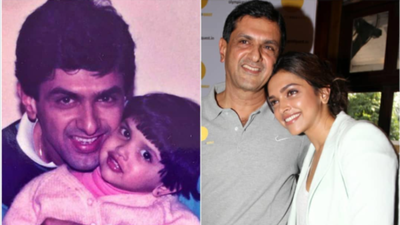
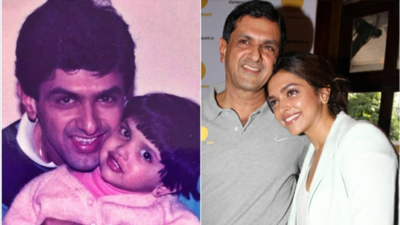
Deepika Padukone and Ranveer Singh welcomed their daughter Dua, in the September of 2025 and now people are talking about what Deepika Padukone said on The Kapil Sharma Show—she talked about how her dad, the famous badminton player Prakash Padukone used to discipline her when she was a kid. If Deepika Padukone did something or did not finish her homework her dad would send her to the kitchen storeroom in their apartment. Then he would lock the door from the outside. Turn off the light switch.Deepika Padukone has always shared a warm, grounded bond with her father, badminton legend Prakash Padukone. Growing up, she often speaks about how his calm nature, discipline, and simplicity shaped who she is today. He never pushed her toward fame or success, but quietly taught her the value of hard work, balance, and staying rooted. Even at the peak of her career, Deepika has said her father keeps her grounded and reminds her to slow down when needed. Their relationship feels less about celebrity life and more about mutual respect, trust, and quiet support, the kind that doesn’t need too many words.
In March 2025 at the Abu Dhabi Forbes Summit, Deepika talked about how her father and her childhood memories. She remembered something her father told her which’s very important to her. He said that people will always remember you for the kind of person you’re. This is something that Padukone thinks about when she’s taking care of her own kids.Deepika Padukone’s childhood story about discipline has quietly opened up a larger conversation on parenting in India today. Her reflections don’t talk about strict punishments or fear, but about structure, consistency, and calm guidance at home.
Consequences of isolation tactics

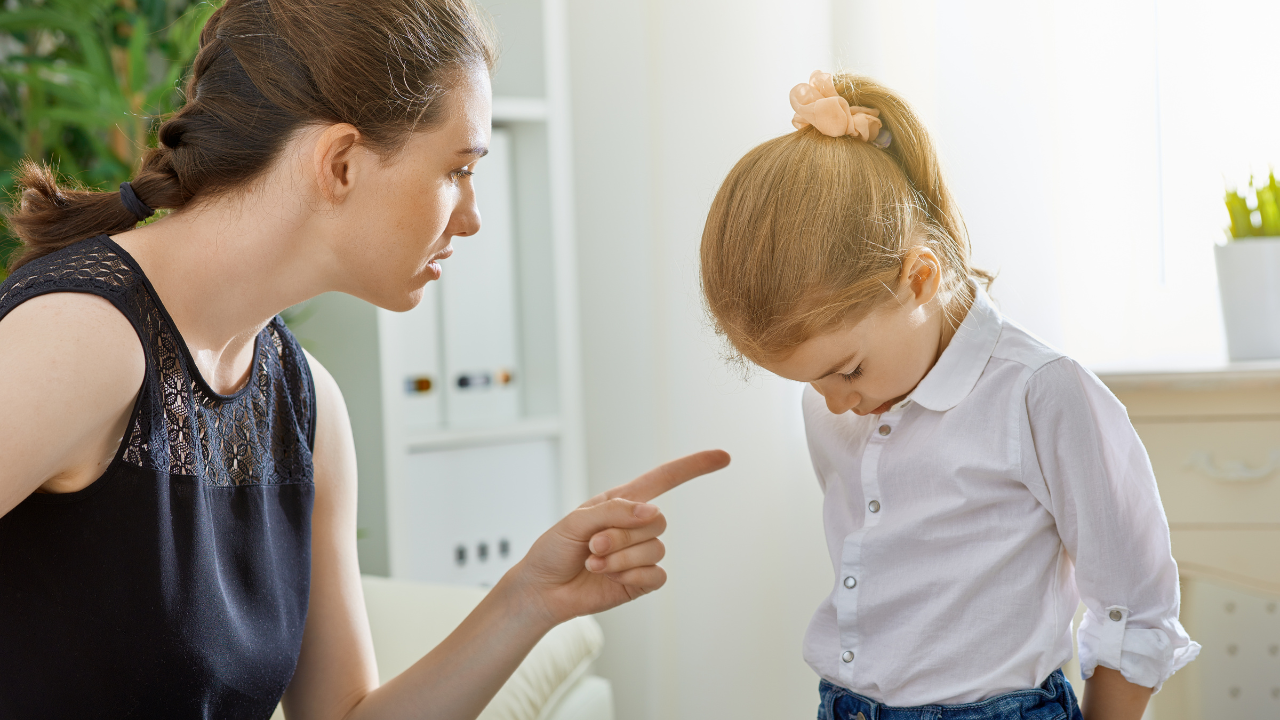
Isolation in rooms is still used in many Indian homes as a way to discipline children, thinking it would make them rethink their choices, but in reality- it does nothing more than create fear in the hearts of the tiny wonders. Parents think that some alone time will make them feel the need apologise, and as time goes on these feelings can affect people in ways.This way of doing things is like what people have thought, where punishment helps set boundaries fast. But it has a downside: it focuses on making kids obey now instead of helping them deal with their emotions in the long run. On the plus side, short and calm time-outs can help kids cool down when emotions are running high. A little space can give them time to reflect, self-regulate, and reset. For some children, stepping away from chaos helps them regain control and understand boundaries. When used thoughtfully and explained properly, isolation can create a pause rather than a punishment.
Some simple rules
Setting rules that’re easy to understand and explaining why they are important makes children feel safe.Letting children make choices like what to wear or what game to play helps them feel more in charge of their life.This way children learn to make decisions and do things on their own. These ideas come from people who know a lot, about how children grow and learn. They help children become confident and able to handle problems by themselves.
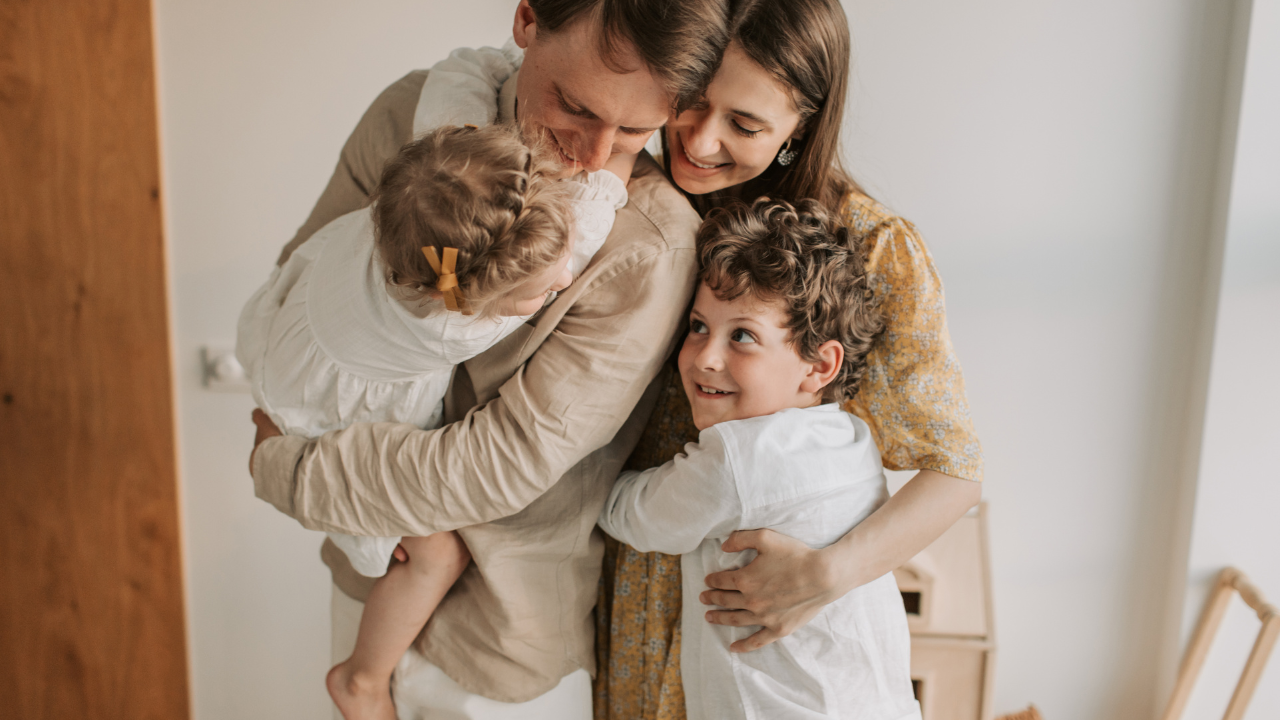
Deepika Padukone’s willingness to share her storeroom experience illustrates this shift. By voicing both the hardship and the values gleaned, she normalizes vulnerability, encouraging others to evolve. Her story underscores a broader truth: effective parenting blends accountability with empathy, transforming past lessons into tools for healthier family legacies. As more voices join, cultural norms around discipline stand to change, prioritizing connection over control for tomorrow’s generation.