
Buying a home or renovating? Why Biophilic design works best for urban apartments
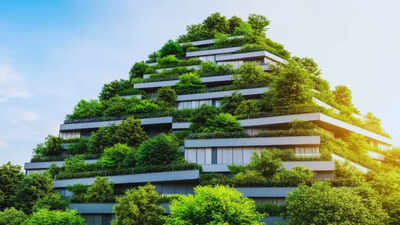
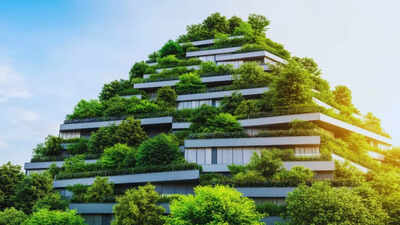
When Sharda Singh planned to shift to Delhi from Indore, due to her desire to stay in proximity with her children settled in Noida and being unable to manage a big house due to advanced age, she had three major concerns- the extreme temperatures that Delhi witnesses, pollution, and a desire for staying close to nature, which seems like a misnomer in a metropolitan city. But when she started exploring real estate in NOIDA, she was surprised when her architect suggested biophilic designing of her flat. This type of design is like a breath of fresh air in urban apartments, turning concrete jungles into peaceful places that feel alive. In busy cities where high-rises are everywhere and green space is hard to come by, this nature-inspired approach brings the outdoors into our daily lives, making us happier, healthier, and even more appealing to buyers. It’s not just a fad anymore; it’s a smart, science-based change that apartment dwellers who want peace in the middle of the chaos will love.
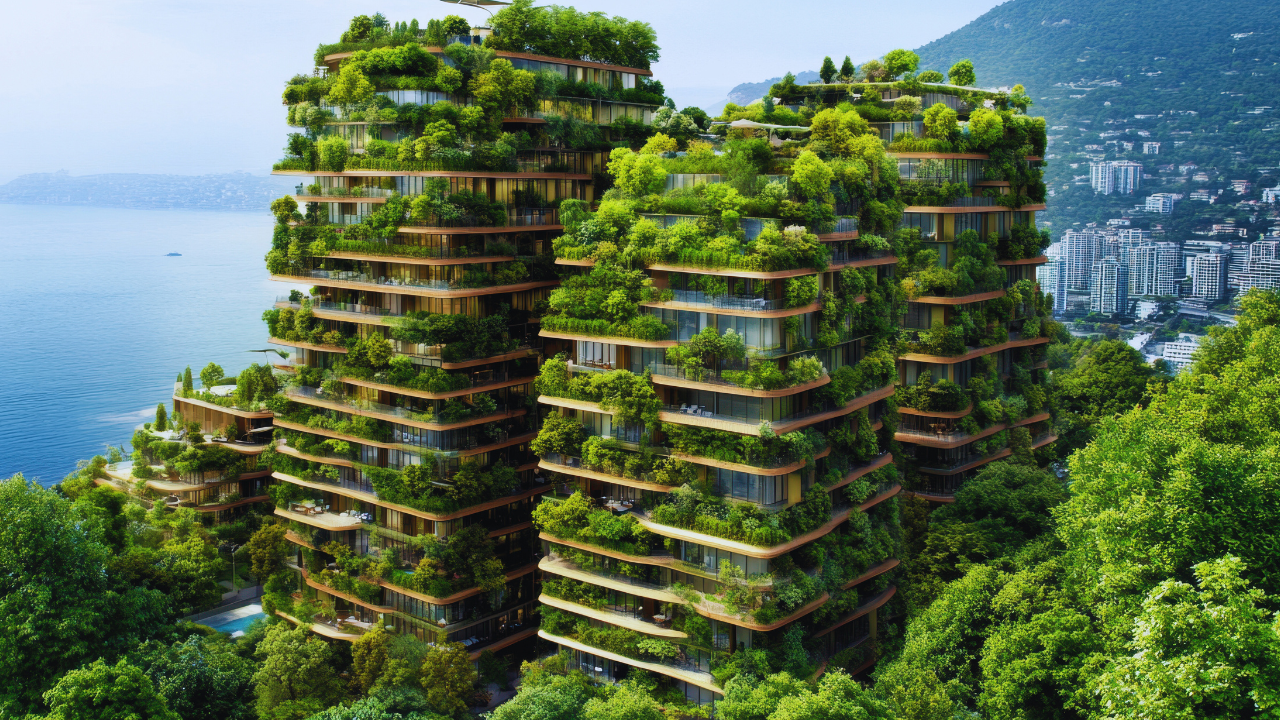
Why Biophilic design works well in citiesLiving in a city keeps us inside 90% of the time, which raises stress and makes us tired of screens. Biophilic elements, on the other hand, help by mimicking nature’s rhythms. According to another study published in the National Library of Medicine, active interaction with indoor plants can reduce physiological and psychological stress compared with mental work. As per a report published in the University of New Hampshire, lush indoor plants can lower cortisol levels by up to 15%, and natural light flooding rooms can help our body clocks sync up. This process makes us more focused and improves our sleep. These touches make small spaces feel big and relaxing, which is great for busy families and professionals. They combine style and health. Large windows or light wells let in sunlight, and earthy colors like mossy greens and warm terracottas make the space feel more grounded. Designers now think about nature when they start a project. They plan layouts around plant zones or water features from the beginning, making flow that feels natural instead of forced.Important trends that will affect apartments in 2026Biophilic design has come a long way this year. Instead of just having pots of plants scattered around, you can now have setups that wrap your home in green energy. Vertical gardens grow up walls, making empty spaces into living art that cleans the air and quiets city noise. Layered systems combine real ferns, preserved moss panels, and fake vines to create a lush look that doesn’t need a green thumb. Rooftop views or internal courtyards let you see the sky and the ground from inside, which is especially nice in places like Mumbai or Delhi high-rises where there isn’t much space.
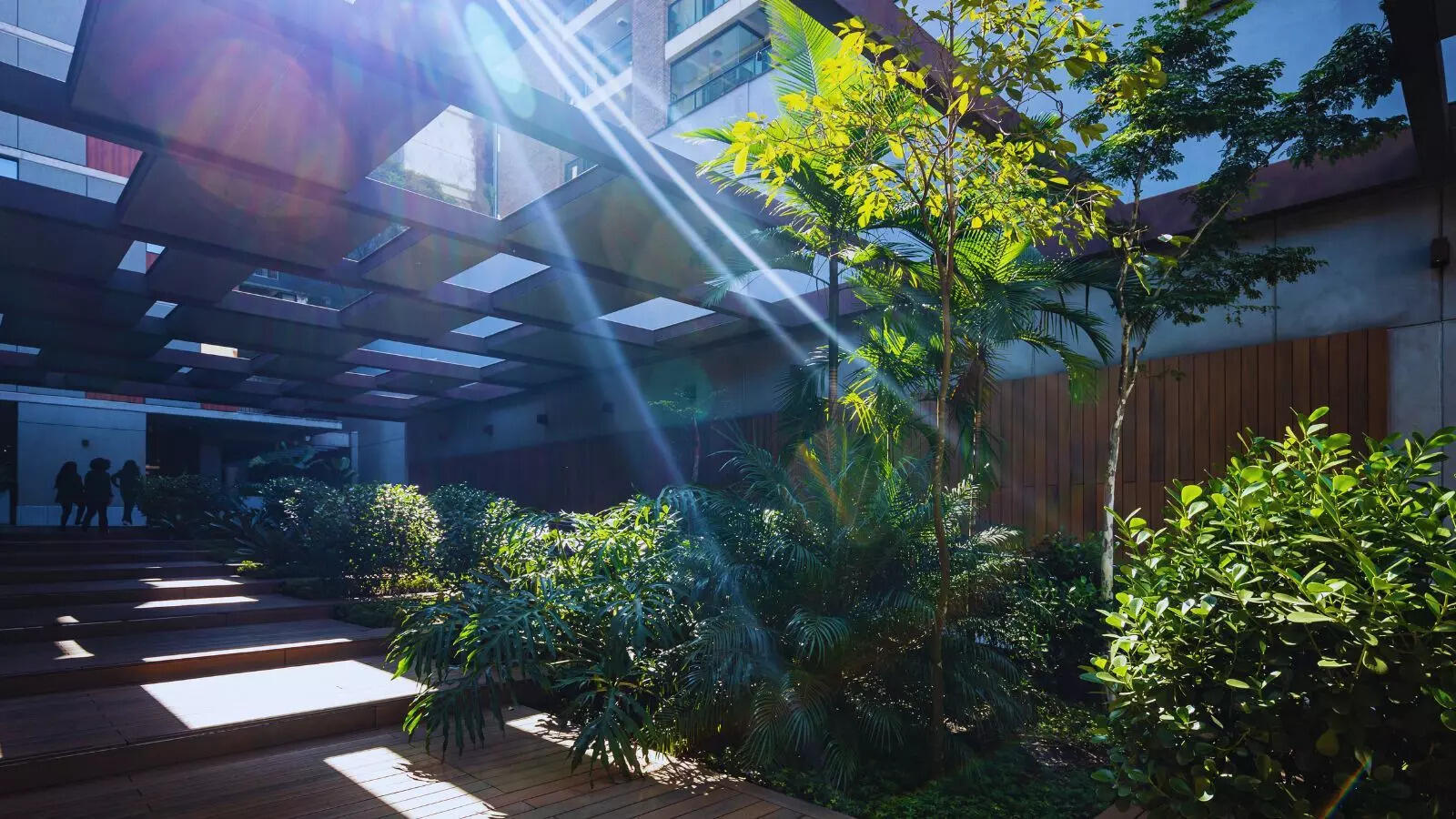
Important trends that will affect apartments in 2026Biophilic design has come a long way this year. Instead of just having pots of pothos plants scattered around, you can now have setups that wrap your home in green energy. Vertical gardens grow up walls, making empty spaces into living art that cleans the air and quiets city noise. Layered systems combine real ferns, preserved moss panels, and fake vines to create a lush look that doesn’t need a green thumb. Rooftop views or internal courtyards let you see the sky and the ground from inside, which is especially nice in places like Mumbai or Delhi high-rises where there isn’t much space
- Living green walls are panels that water themselves and have air plants and succulents that control humidity and give a luxurious spa-like feels.
- Natural textures: Reclaimed wood shelves, stone accent walls, and linen curtains that make you want to touch them and make you feel good.
- Water whispers: Small fountains or pebble trays that sound like soft streams to drown out the noise of traffic.
- Circadian smart lights: LEDs that change from warm to cool to mimic dawn and dusk, along with grow lamps that don’t emit UV light to help plants grow.
- Tech fits in perfectly: AI apps keep an eye on plant health, and bio-based paints give off scents like those found in forests. These aren’t gimmicks; they lower energy costs by cooling spaces naturally and are popular with eco-conscious buyers, which raises resale values in competitive markets.
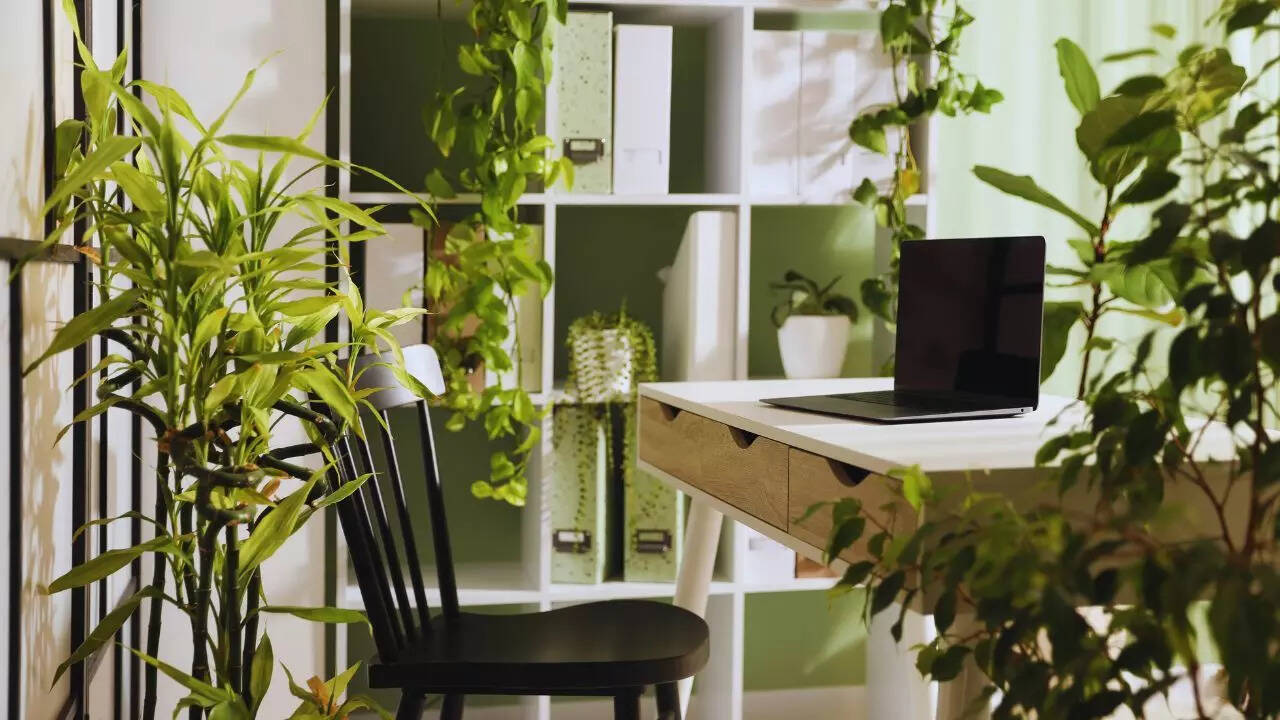
Makeovers for real-life apartmentsImagine a 1BHK in Bangalore with sterile white walls. Instead, there is a feature wall made of bamboo and trailing ivy that is lit by mirrors that bounce sunlight around. Add a tulsi balcony herb garden to honor your Indian roots, and wool rugs that look like forest floors. What happened? A cozy nook that feels twice as big, and people who live there say they feel less anxious and get more done. In Gurgaon towers, developers now add biophilic features like planted terraces and bird-attracting facades. These features combine sustainability with views of the skyline.If you rent, start small by hanging macrame planters, putting jute throws over sofas, or putting peel-and-stick moss tiles in the bathroom. You can save money by using wooden ladders from thrift stores as plant stands or making terrariums out of old jars. The payoff comes quickly: plants take in VOCs from new furniture, which makes the air in sealed urban units healthier.A mixing of the old with newBiophilic design is becoming popular in India, and in fact, the right way to put it is that it is making a comeback again. These designs are easy to assimilate as they are ingrained in the very culture of the country. It pays homage to old ideas like courtyard havelis and incorporates the concept of Vastu which is based on the idea of harmony with nature. According to Mayank Pandey, real estate design expert, “To make your home more spiritual, add mango wood furniture, clay diyas with flickering flames, or Krishna designs to leaf-patterned screens. If you have more space you can make a wellness room or a wellness corner which can be a part of your balcony. These are like small sanctuaries with yoga nooks, pebble floors, and soft light that meet the needs of people after the pandemic. In Delhi/NCR we have noticed that biophilic homes have 20% more tenants because people want that grounded, happy feeling.”

Low-VOC finishes, recycled stone, and modular green modules all help cut down on waste. Architects use air quality sensors and mood surveys to see how well these spaces work, showing that they heal as well as they make things look better. It’s not about getting everything right when you bring nature into your city apartment. It’s about getting back to peace one leaf at a time. Biophilic design is the heart of smart living as cities grow denser. It’s affordable, uplifting, and completely human. Get in there and watch your concrete box grow.