Blood Pressure Symptoms: Silent signs of high blood pressure you shouldn’t ignore, according to cardiologists |


High blood pressure, or hypertension, is often called a “silent killer” because it usually causes no obvious symptoms—until serious damage has already occurred. Many people feel perfectly normal while their blood pressure remains dangerously high. That is why awareness of subtle warning signs is so important. Here’s what expert cardiologists have to say on the matter.We spoke to Dr Sanjeev Chaudhary, Chairman – Cardiology, Marengo Asia Hospital, Gurugram, on common symptoms. He revealed, “Most individuals with high blood pressure experience no symptoms at all. However, certain silent or easily ignored signs may occasionally appear. Frequent early morning headaches, especially at the back of the head, can sometimes be linked to uncontrolled blood pressure. Unexplained fatigue, mild breathlessness on exertion, or a feeling of heaviness in the chest should not be brushed aside. Episodes of dizziness, blurred vision, or seeing flashes of light may indicate that blood vessels are under strain. Recurrent nosebleeds, though uncommon, can also be associated with very high readings.”“Swelling of the feet, sudden palpitations, or reduced exercise tolerance may reflect the effect of hypertension on the heart. In some cases, the first sign may be detected only during a routine check-up. Because hypertension often remains symptomless, regular blood pressure monitoring is essential—especially after the age of 30, in those with diabetes, obesity, kidney disease, or a family history of hypertension. Early detection and timely treatment can prevent heart attack, stroke, kidney failure, and vision loss. Don’t wait for symptoms—get your blood pressure checked regularly,” he added. Dr Surendra Nath Khanna, Chairperson, Adult Cardiac Surgery & Heart-Lung Transplant, Artemis Hospitals, said, “High blood pressure or hypertension is called the silent killer for a reason. It hurts your heart, brain, and kidneys without you knowing it. Most people feel fine even though they don’t know that harm is building up inside. Problems may already be serious by the time they show up. That’s why it’s so important to be aware of things early. High blood pressure can sometimes cause headaches in the morning, especially at the back of the head. Feeling tired for no reason, having trouble breathing while doing everyday tasks, or having a heavy feeling in your chest could also mean that your heart is under stress. Some people see floaters or have blurry vision because pressure is affecting the small blood vessels in their eyes. Poorly controlled blood pressure can also cause nosebleeds, which are not very common.”“Uncontrolled high blood pressure raises the risk of heart attack, stroke, kidney disease, and heart failure over time. Checking your blood pressure on a regular basis is the best way to find it. Routine screening, a healthy diet, exercise, stress management, and cutting back on salt can all help keep your heart and health in good shape, even if you feel fine,” he stated. Dr Ashish Kumar, Senior Cardiologist at Amrita Hospital in Faridabad, said, “High blood pressure acts differently. While you go about your daily life—going to work, scrolling through your phone, and meeting deadlines—this slowly changes your body without you even knowing it. Your arteries are hardening, and your heart is building up muscle to survive.”“It isn’t sudden death that makes high blood pressure dangerous; it’s the damage that happens over time. Before a heart attack, stroke, or kidney failure, the body almost always sends out small signals,” he emphasised. Before a heart attack, stroke, or kidney failure, the body almost always sends out small signals. Dr Ashish also listed out the signs that cardiologists see the most often.
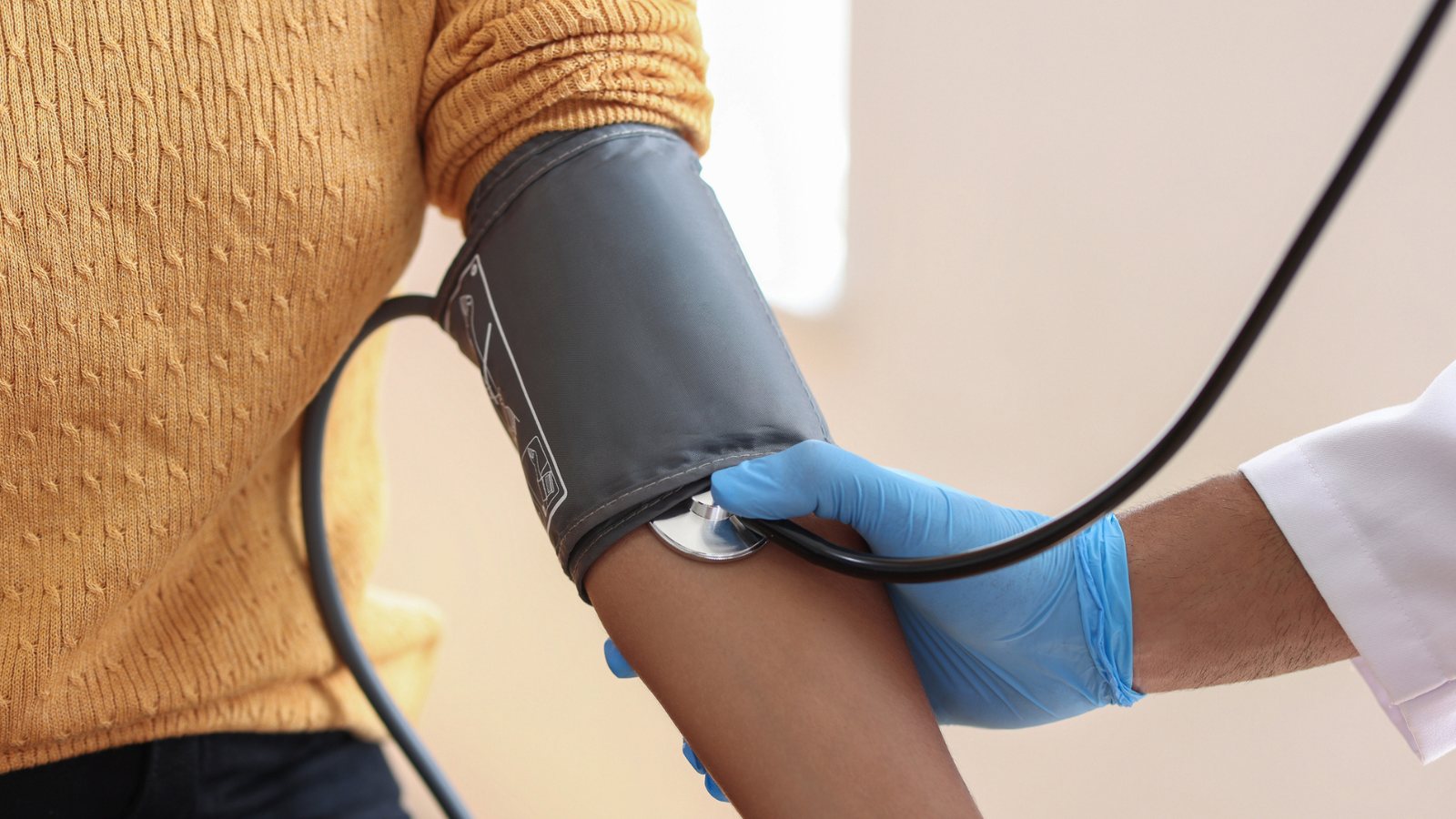
Many people feel perfectly normal while their blood pressure remains dangerously high
1. The “pressure” headache, which is worse when you wake up
This isn’t a migraine.Patients say they feel a tight band around their head or heaviness at the back of their skull.Hormonal surges cause blood pressure to rise naturally in the early morning. In people with high blood pressure, this surge gets too strong and puts stress on small blood vessels in the brain. Stress every day can cause headaches that last all day, and people often take painkillers instead of checking their blood pressure.
2. Tiredness that seems out of proportion to what you’ve done
A common complaint in Indian clinics is: “I’m tired even when I haven’t done much.”When blood pressure is high, the heart has to work harder to pump blood. The heart thickens its walls to make up for it. This is called left ventricular hypertrophy. The body uses energy to keep blood flowing, which leaves less for stamina.Patients believe they are becoming older or lacking vitamins.They are often hypertensive.
3. Shortness of breath while doing everyday things
Not while running, but in everyday life.Going to the gate on footGoing up one flight of stairsSpeaking while walkingLong-term high blood pressure makes the heart muscle stiff. When you work out, the lungs have to work harder, which makes it hard to breathe for years before heart failure becomes obvious.People often call this “low fitness” when they mean “low fitness.”
4. Eyes that hurt or are blurry
The only place you can see arteries directly without surgery is in your retina, and high blood pressure hurts it early.Patients notice:• trouble concentrating at night
- reading causes eye strain
- short-term blurriness after using the screen
Hypertensive retinopathy can develop without any symptoms. A lot of people find out they have high blood pressure during a routine eye exam instead of a doctor’s visit.
5. Heart palpitations while lying still
Not a fast heartbeat, but a heartbeat that is easy to feel.Patients suddenly feel their pulse in their chest or ears at night. High blood pressure makes arteries stiffer, which sends stronger pulse waves. To get through the resistance, the heart has to work harder, which makes each beat easier to feel.This subtle awareness often comes before changes in the structure of the heart.
6. Nosebleeds or flushing of the face that happen often
Not very common, but important.When the pressure rises, small, fragile blood vessels in the nose may break. Adults should never ignore nosebleeds that happen on their own, especially when they are at rest.
7. Less ability to exercise
One of the most reliable signs.If your ability to walk slowly decreases over months, not all at once, you may be developing vascular stiffness. Hypertension makes arteries less flexible, which means that muscles don’t get as much blood flow when they are active.Patients often say that stress, the weather, or lack of sleep are to blame.Cardiologists think about arteries.
Awareness of subtle warning signs is important.
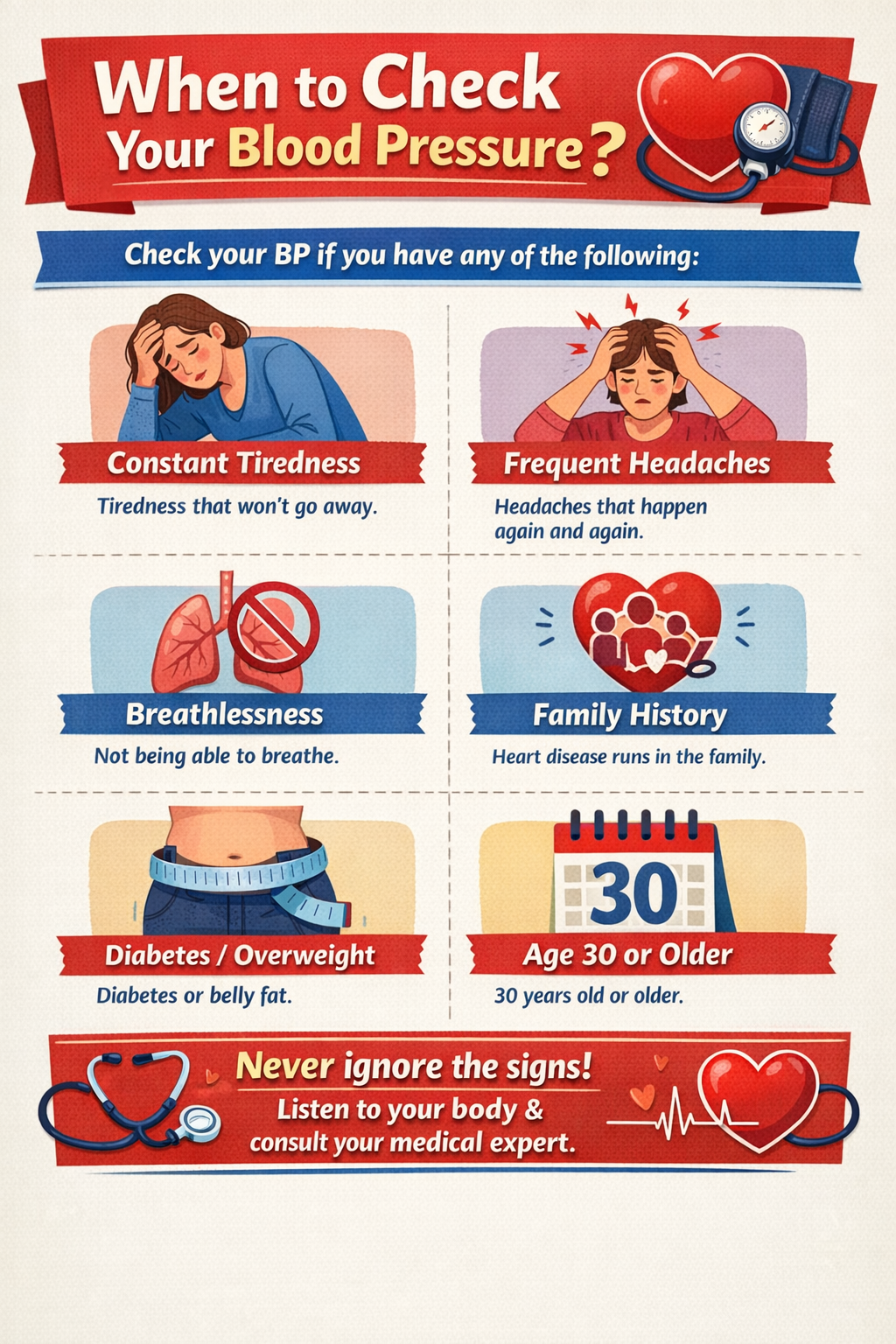
When is it a good idea to check your blood pressure?
If you have any of the following, you should check your BP:• tiredness that won’t go away
- headaches that happen again and again
- not being able to breathe• heart disease runs in the family
- diabetes or being overweight around the stomach
- 30 years old or older
Never ignore the signs that your body tries to show you and always consult your medical expert.Medical experts consulted This article includes expert inputs shared with TOI Health by: Dr Sanjeev Chaudhary, Chairman – Cardiology, Marengo Asia Hospital, GurugramDr Surendra Nath Khanna, Chairperson, Adult Cardiac Surgery & Heart-Lung Transplant, Artemis HospitalsDr Ashish Kumar, Senior Cardiologist at Amrita Hospital in FaridabadInputs were used to explain the silent signs of high blood pressure you shouldn’t ignore, according to cardiologists, and why early detection and medical consultation are crucial for preventing serious complications.