Bhojshala–Kamal Maula mosque dispute explained: How ASI findings could reshape a four-decade legal battle
Bhojshala–Kamal Maula mosque dispute explained
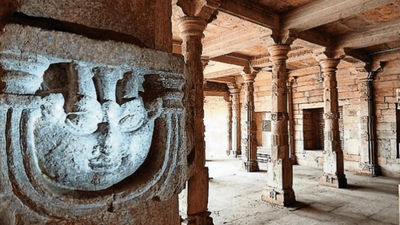
The Bhojshala–Kamal Maula Mosque dispute has entered a decisive legal phase after the Archaeological Survey of India’s long-awaited survey report was placed before the Indore bench of the Madhya Pradesh high court, setting off reactions both inside the courtroom and on the ground in Dhar.The ASI, in its report, concluded that the Kamal Maula Mosque structure at the Bhojshala complex was constructed using parts of ancient temples. The findings, the agency said, were based on “scientific investigations, survey and excavation, study and analysis of retrieved finds, study of architectural remains, inscriptions, art and sculptures.”
The report observed that the existing structure appeared to have been built centuries later “without much attention to symmetry, design, or uniformity,” suggesting later construction using earlier architectural remains.
Background of the case
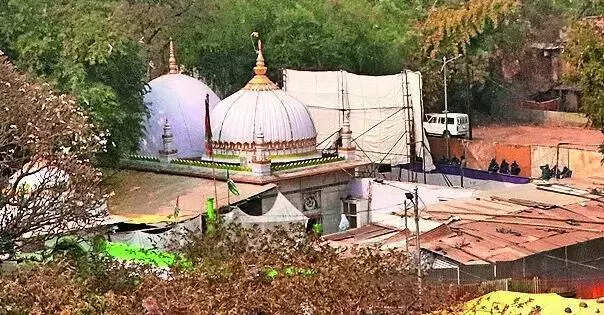
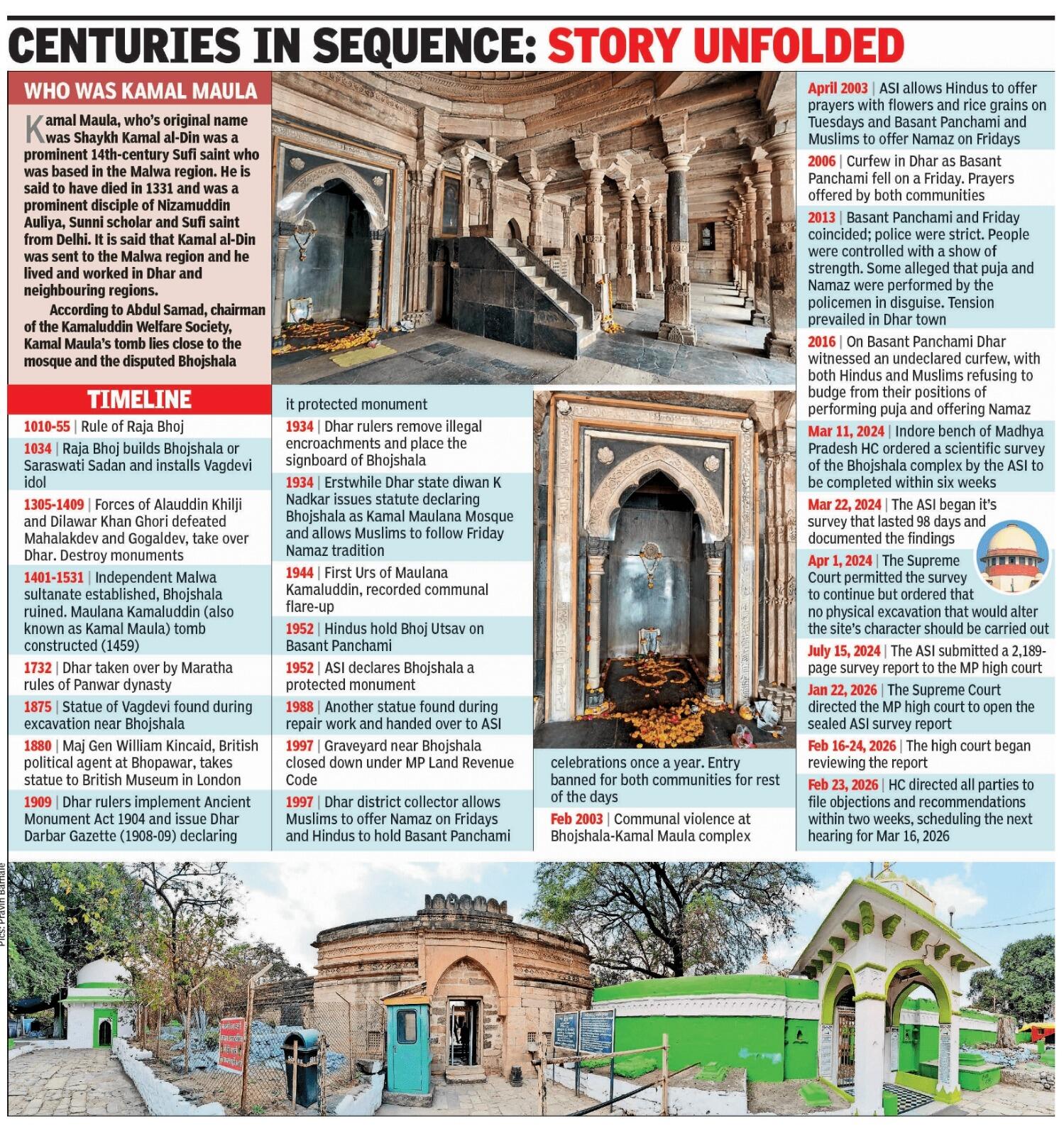
- Bhojshala is venerated by Hindus as the seat of Goddess Vagdevi; Muslims regard the site as Kamal Maula Mosque, attributed to the 13th-century Sufi saint Kamal-ud-Din.
- Since 1903 the then ASI had listed the structure as a protected monument and a mosque, but a 2003 Central order allowed regulated worship: Hindu prayers every Tuesday and Muslim namaz every Friday.
- Petitions filed in the HC by Hindu Front for Justice vice-president Ashish Goyal and Bhoj Utsav Samiti convenor Ashok Jain sought a court-monitored scientific survey to ascertain the original character of the monument and determine title.
- The HC directed the ASI to conduct a comprehensive survey, excavation and scientific testing, completed over 98 days by a multi-disciplinary ASI team headed by Additional DG Alok Tripathi.
Timeline
- 1010–55 – Rule of Raja Bhoj
- 1034 – Raja Bhoj builds Bhojshala (Saraswati Sadan) and installs
Vagdevi idol - 1305–1409 – Forces of Alauddin Khilji and Dilawar Khan Ghori defeat Mahalakdev and Gogaldev; Dhar taken over, monuments destroyed
- 1401–1531 – Independent Malwa Sultanate established; Bhojshala ruined. Maulana Kamaluddin (Kamal Maula) tomb constructed (1459)
- 1732 – Dhar taken over by Maratha rulers of Panwar dynasty
- 1875 – Statue of Vagdevi found during excavation near Bhojshala
- 1880 – Maj Gen William Kincaid, British political agent at Bhopawar, takes statue to British Museum, London
- 1909 – Dhar rulers implement Ancient Monument Act 1904 and issue Dhar Darbar Gazette (1908–09) declaring it a protected monument
Modern developments
- 1934 – Dhar rulers remove illegal encroachments and place Bhojshala signboard
- 1934 – Dhar state diwan K. Nadkar issues statute declaring Bhojshala as Kamal Maulana Mosque; Muslims allowed Friday namaz tradition
- 1944 – First Urs of Maulana Kamaluddin; recorded communal flare-up
- 1952 – Hindus hold Bhoj Utsav on Basant Panchami
- 1952 – ASI declares Bhojshala a protected monument
- 1988 – Another statue found during repair work and handed to ASI
- 1997 – Graveyard near Bhojshala closed under MP Land Revenue Code
- 1997 – Dhar district collector allows Muslims Friday namaz and Hindus Basant Panchami celebrations once a year; entry banned on other days
- Feb 2003 – Communal violence at Bhojshala–Kamal Maula complex
Recent controversies & legal events
- April 2003 – ASI allows Hindus to offer prayers with flowers and rice on Tuesdays and Basant Panchami; Muslims permitted Friday namaz
- 2006 – Curfew in Dhar as Basant Panchami falls on Friday; prayers offered by both communities
- 2013 – Basant Panchami and Friday coincide; strict police control, tensions reported
- 2016 – Basant Panchami witnesses undeclared curfew; both communities refuse to budge
Court & survey milestones
- Mar 1, 2024 – Indore bench of Madhya Pradesh HC orders scientific ASI survey within six weeks
- Mar 22, 2024 – ASI begins survey (lasts 98 days)
- Apr 1, 2024 – Supreme Court permits survey, directs no physical excavation altering site character
- July 15, 2024 – ASI submits 2,189-page survey report to MP High Court
- Jan 22, 2026 – Supreme Court directs MP HC to open sealed ASI survey report
- Feb 16–24, 2026 – High Court begins reviewing the report
- Feb 23, 2026 – HC directs all parties to file objections/recommendations within two weeks; next hearing scheduled for Mar 16, 2026
High court sets the clock running
Hearing petitions linked to the Bhojshala-Kamal Maula Mosque dispute, Justices Vijay Kumar Shukla and Alok Awasthi directed that the ASI report be made available to all parties. The bench asked stakeholders to file objections, suggestions, opinions and recommendations within two weeks and fixed March 16 as the next date of hearing.The direction followed a chain of judicial developments that brought the ASI findings into public domain. The high court had ordered a scientific survey on March 1, 2024.
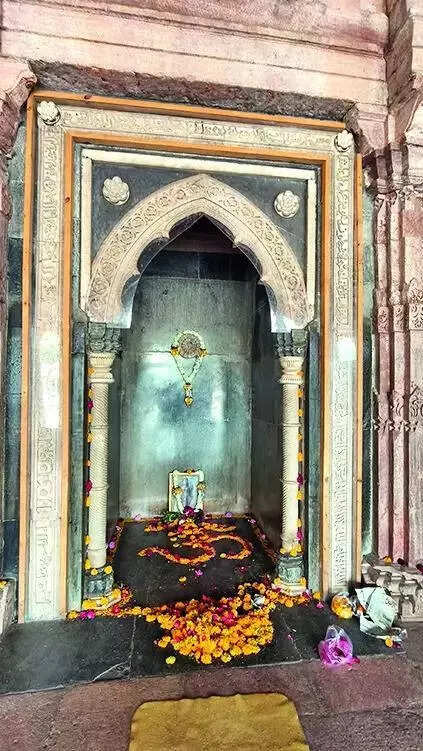
The ASI began work on March 22, conducting a 98-day investigation using what it described as the latest scientific techniques. On April 1, 2024, the Supreme Court permitted the survey while directing that no physical excavation should alter the site’s character. The ASI submitted its 2,189-page report in July 2024. In January 2026, the Supreme Court directed the Madhya Pradesh high court to open the sealed report, leading to its circulation among parties.
Findings that stirred dhar
If the courtroom saw procedural movement, Dhar witnessed something more visceral.The Bhojshala complex, sitting behind a metal-detector gate and past a freshly painted white-and-green mosque facade, drew large crowds on Tuesday — the day Hindus are permitted to offer prayers under ASI arrangements.
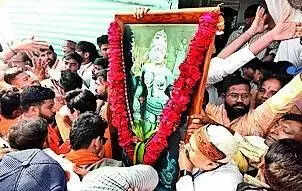
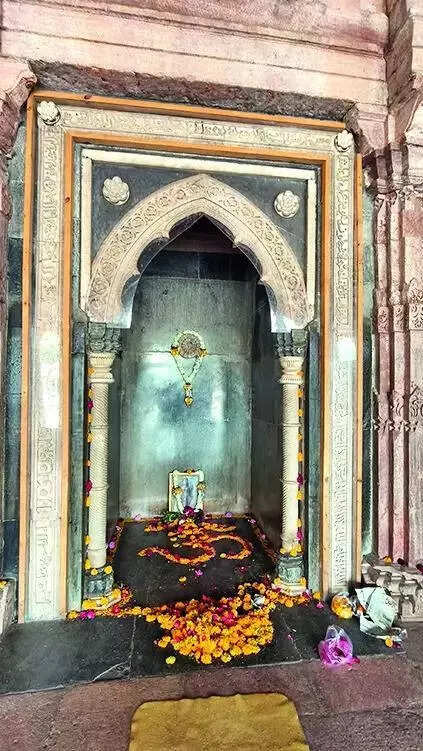
Inside, emotion ran high. Women wept as men fixed a photograph of Vagdevi amid marigold flowers ahead of the morning aarti. A newly printed Vagdevi Chalisa, a forty-verse prayer modelled on the Hanuman Chalisa, was distributed among devotees.“It is a proud day for Hindus,” said Kalaji Pandar, joining the rituals. “The four decade-long struggle to get our due is yielding fruit. Now, we must build a temple.”
‘A fight carried forward’
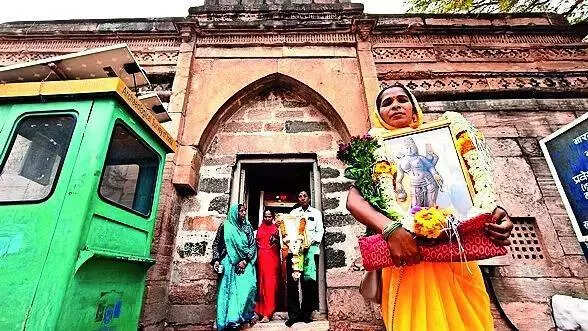
Among those present was Gopal Sharma, convenor of Bhojshala Mukti Yagya, who described the moment as deeply personal.“I feel the struggle we started around 1987 is now bearing fruit. My life’s dream is coming true,” Sharma said, adding that he had carried forward the legal fight initiated by his father.Though the high court has yet to deliver its verdict, many devotees described the ASI report as vindication long awaited.
Temple demand gains momentum
The ASI findings have also energised calls from Hindu organisations.On January 23, during Basant Panchami, Alok Kumar, international president of the Vishva Hindu Parishad, told a Dhar gathering that a Vagdevi temple would be built at Bhojshala by 2034 through legal means. The shrine, he said, would eventually house a consecrated idol now displayed in a London museum.“The proposed shrine will be on the lines of the Ram temple (in Ayodhya),” Kumar said.
Corridors echo with claims
When the Archaeological Survey of India’s longawaited survey report on the Bhojshala-Kamal Maula Mosque complex was made public on Monday, it set off more than just a legal debate in the courts, reports Salil Mekaad . In MP’s Dhar, it lit a fire — reigniting a decadesold demand to bring back the idol of Vagdevi, the goddess of learning, from the British Museum in London, where it has been on display for nearly a century and a half.
The ASI team, working over 98 days using the latest scientific techniques to excavate, study and document the site, concluded in its report that the Bhojshala complex was constructed using the remains of ancient temples and hinted at the existence of a Vagdevi temple.A specially composed Vagdevi Chalisa — a forty-verse prayer modelled on the format of the Hanuman Chalisa — had been printed and distributed among those present before the aarti commenced. Worshippers sat on red mats in rows, reciting prayers while facing a niche adorned with marigold flowers, with Sharma in yellow leading the recitation.When the rituals ended, the devotees moved through the monument with a kind of animated curiosity, pointing out carvings to one another with barely contained excitement. “Look here, this is the idol of Lord Hanuman. Over there is a disfigured Lord Ganesha. There is a sea shell, here is a bell,” voices called out across the corridors. The conversation carried on from pillar to pillar.ASI guards monitored the flow as visitors continued to stream in through the day. A smaller group returned for evening aarti before the monument shut at 6pm.
Muslim petitioners reject report
Muslim representatives, also petitioners before the high court, sharply disagreed with the ASI’s conclusions.Abdul Samad, chairman of the Maulana Kamaluddin Welfare Society, termed the report “misdirection.” He cited a British-era ASI survey from 1903 which, he said, had recorded the structure as Kamal Maula Mosque and declared it a protected monument.“It was a mosque, it is a mosque. Namaz will continue to be offered there,” Samad said.He argued that stone fragments referenced by the ASI originated from rubble linked to the destruction of Raja Bhoj’s palace rather than a temple demolished to build a mosque. Samad also alleged that several architectural elements were placed at the complex with an “ulterior motive.” Muslim representatives have decided to challenge the ASI findings at the March 16 hearing.
Vagdevi idol debate reignites
The report’s release has revived demands for the return of the Vagdevi idol displayed at the British Museum in London.“My only desire now is that the idol should reach Bhojshala as soon as possible,” said devotee Kamla Solanki. “My request to PM Modi is that he gets all our relics back to India.”Petitioner Ashish Goyal said the report had strengthened the demand. “Vagdevi is ours. Once the court clears the title, we would urge the MP govt and the PM to initiate efforts to bring the goddess back.”
A verdict still awaited
The ASI report has reshaped the contours of the dispute but not settled it. Its conclusions now face scrutiny, interpretation and challenge before the high court.Until the court rules, Bhojshala continues to stand at the intersection of faith, history and law — a protected monument, a regulated place of worship, and a dispute whose resonance stretches far beyond Dhar.