Calling it irrelevant and offlimit, Judge makes it clear to OpenAI lawyers: You cannot ask Elon Musk about …
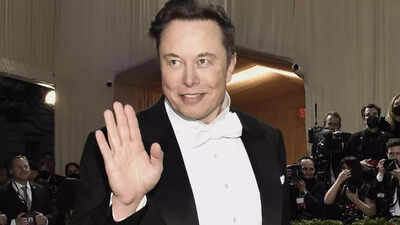
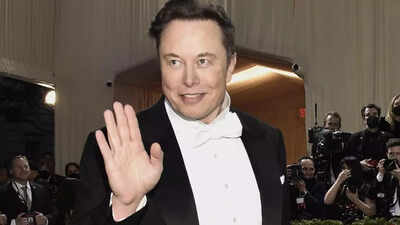
Tesla CEO Elon Musk may avoid questions about his use of the ketamine drug during his upcoming trial against OpenAI. This reported ruling comes after a US judge ruled the topic irrelevant to the case. According to a Bloomberg report, Yvonne Gonzalez Rogers said lawyers representing OpenAI and its chief executive, Sam Altman, cannot raise the issue when Musk testifies in the dispute over the company’s shift away from its original nonprofit structure.The decision came during a hearing in Oakland, where the judge outlined what evidence and topics would be allowed in the jury trial scheduled to begin on April 28. The case will revisit the early years of OpenAI, the breakdown of Musk’s relationship with the company, and Microsoft’s later $13 billion investment in the startup.A jury will examine Musk’s claim that OpenAI co-founders Altman and Greg Brockman misled him about maintaining the organisation as a nonprofit when he donated about $38 million during its early stages. Musk is seeking damages of up to $134 billion from OpenAI and Microsoft, while both companies have denied the allegations.
What US judge said about OpenAI’s plans to undermine Musk’s credibility by questioning him on ketamine usage
The judge rejected OpenAI’s plan to question Musk about his alleged use of ketamine during negotiations with the company. Yvonne Gonzalez Rogers said such questions would not be relevant unless OpenAI could present stronger evidence showing the possible effects of ketamine, an anaesthetic that can have hallucinogenic properties.However, the judge said she may allow limited questioning about Musk’s visits to Burning Man, where drug use is known to occur. OpenAI lawyers argued that “a lot of significant communications” between Musk and the company took place while he was attending the event.William Frentzen of Morrison & Foerster, representing OpenAI, said Musk had been unable to recall during his deposition whether he had taken ketamine during certain negotiation periods. Musk has previously said he used ketamine under a prescription several years ago, but has not used it since. At the same time, media reports have claimed he has engaged in recreational drug use.During the hearing, Judge Rogers also made several preliminary rulings about the trial. She said any damages determined by the jury will likely be advisory, meaning she will decide the final amount after the trial concludes. She may also prevent Musk from pursuing additional punitive damages. The judge indicated she would allow testimony from Musk’s expert witness, financial economist C. Paul Wazzan, who prepared estimates of possible damages.In a report earlier this year, Wazzan suggested Musk could be entitled to between $79 billion and $134 billion in profits from OpenAI and Microsoft. His analysis argued that Musk should receive a portion of the company’s current valuation because he provided early funding.However, Judge Rogers expressed doubts about the report’s conclusions. “Do I find it convincing? Not really, not particularly persuasive,” she said.Lawyers representing OpenAI and Microsoft have also disputed Musk’s claims. In a January filing, the companies argued that Musk was seeking up to 2,900 times the amount he originally invested in the company.“Wazzan’s methodology is made up; his results unverifiable; his approach admittedly unprecedented; and his proposed outcome — the transfer of billions of dollars from a nonprofit corporation to a donor-turned competitor — implausible on its face,” lawyers for the companies wrote.The trial, which is expected to last about 4 weeks, may include testimony from several technology industry figures. Potential witnesses include Sam Altman, Musk, Greg Brockman, Ilya Sutskever and Shivon Zilis. Other possible witnesses may include Satya Nadella and former OpenAI chief technology officer Mira Murati, the report claims.Judge Rogers also stressed that well-known technology executives appearing in court will not receive special treatment. She said all witnesses must enter the courthouse through the public entrance. In addition, both sides in the case will be responsible for paying for the jury’s lunch during deliberations, a cost typically covered by the court.“You have plenty of money to pay for it,” the judge said.