Trump tariffs trashed: US businesses fret as court ruling ‘worryingly silent’ over refunds
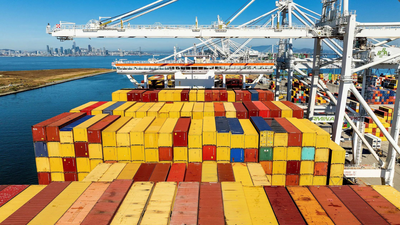
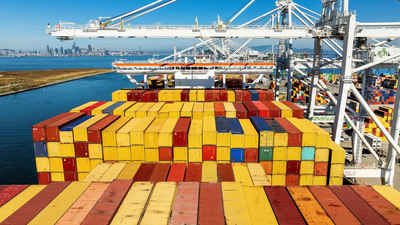
Thousands of US businesses scored a major victory after the US Supreme Court struck down emergency tariffs imposed by President Donald Trump. However, while companies welcomed the decision, the process of getting refunds worth billions of dollars is expected to be slow and complex.In a landmark ruling with global economic implications, the court said Trump could not use the 1977 International Emergency Economic Powers Act (IEEPA) to impose sweeping tariffs on imports. The decision could open the door for more than $175 billion in tariffs already collected by the US government to be refunded, according to economists at the Penn-Wharton Budget Model.
Businesses welcome ruling, markets respond positively
Many companies had struggled to cope with Trump’s shifting trade policies, which used tariffs not only to address trade issues but also as leverage against other countries’ policies. Now, thousands of businesses—not just those that filed lawsuits—are considering whether to seek refunds.Stock markets in the US and Europe rose after the ruling. Shares of companies affected by tariffs, including luxury firms such as LVMH, Hermes, and Moncler, saw gains as investors reacted positively to the decision.
Thousands of lawsuits filed by affected companies
Companies in sectors such as consumer goods, automobiles, manufacturing, and apparel were among the hardest hit. Many rely on low-cost production in countries like China, Vietnam, and India. The tariffs increased the cost of imports, reduced profits, and disrupted global supply chains.More than 1,800 tariff-related lawsuits have been filed in the US Court of International Trade since April, compared with fewer than two dozen cases in all of 2024.Major companies involved in the legal battle include subsidiaries of Toyota Group, retailer Costco, tire maker Goodyear, aluminum producer Alcoa, motorcycle manufacturer Kawasaki Motors, and eyewear giant EssilorLuxottica.Legal experts said many more companies may now join the lawsuits. However, the refund process could take months or even years.“Companies face the challenge of gathering detailed import data to calculate the tariffs paid under various regimes, which were applied over different time periods. Even multinational firms may not have all their data neatly organized,” said Nabeel Yousef, partner at law firm Freshfields.He added, “Even with the Friday ruling, it’s not as if ‘on Monday, companies are going to start getting checks in the mail.’”
Tariffs increased costs for companies and consumers
The tariffs increased costs for businesses and consumers already dealing with inflation. According to the Federal Reserve Bank of New York, 90% of Trump’s tariffs were paid by American companies and consumers, not foreign exporters.The effective US tariff rate rose sharply to 11.7% as of November, compared with an average of 2.7% between 2022 and 2024, according to the Yale Budget Lab.
Uncertainty remains despite court ruling
Although businesses celebrated the decision, uncertainty remains. The US Court of International Trade is expected to handle the refund process, which experts say will be complicated.International Chamber of Commerce secretary general John Denton said the ruling was “worryingly silent” on how refunds would be managed.Trump administration officials said the US would continue to use other legal powers to impose tariffs when needed.“It’s not like tariffs are going away. They’re just going to be under a different umbrella,” said Ted Murphy, co-leader of Sidley Austin’s global arbitration, trade and advocacy practice.Tariffs on automobiles, including a 25% duty on vehicles imported from Mexico and Canada on national security grounds, remain in place.
Companies explore alternative ways to recover losses
Some US companies, expecting delays in refunds, have already sold their rights to future refunds to investors at discounted rates—receiving about 25 to 30 cents on the dollar upfront.Logistics firm DHL said it would use technology to ensure customers receive refunds “accurately and efficiently” if approved.However, lower prices for consumers are unlikely, even if companies receive refunds.“We would definitely be filing for a refund as I imagine every other importer would. I highly doubt prices will go down though. That rarely occurs,” said Jason Cheung, CEO of toymaker Huntar Co.While the ruling is a major legal setback for Trump’s tariff policy, the financial and economic consequences will continue to unfold over the coming years.