Microsoft AI CEO Mustafa Suleyman may have just confirmed that the company is ‘dumping’ OpenAI, says: My personal mission at Microsoft is to…
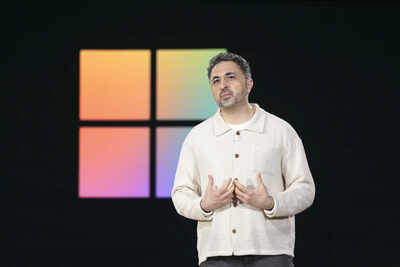
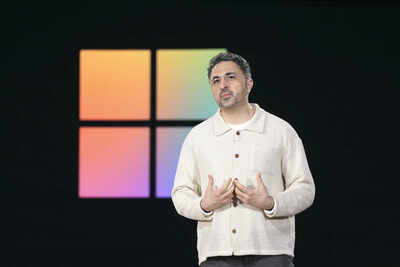
Microsoft is no longer content being powered by someone else’s AI. The company’s AI chief Mustafa Suleyman has told the Financial Times that Microsoft is pushing toward “true AI self-sufficiency”—a clear signal that the tech giant is actively reducing its dependence on OpenAI, even as the two companies remain contractually tied.“My personal mission at Microsoft is to build superintelligence,” Suleyman said in the interview, adding that the company must develop its own frontier foundation models with “gigawatt scale compute” and “some of the very best AI training team in the world.”
Microsoft already has its own AI model in the works
This isn’t just talk. In August 2025, Microsoft AI previewed MAI-1-preview, an in-house mixture-of-experts model pre-trained on roughly 15,000 Nvidia H100 GPUs. The company has signalled plans to roll it into certain Copilot text use cases—a direct step toward replacing OpenAI models in its own products.Microsoft has also been quietly widening its AI supplier base. It now hosts models from xAI, Meta, Mistral, and Black Forest Labs in its data centres. Reports suggest the company even tested Anthropic’s Claude models for some Microsoft 365 Copilot tasks after internal benchmarks found them better for certain Office workloads—going so far as to pay rival cloud provider AWS for access.
The October 2025 deal gave both sides more room to operate independently
Suleyman’s comments come months after Microsoft and OpenAI signed a restructured partnership agreement in October 2025. That deal converted Microsoft’s profit-sharing rights into a 27% ownership stake in the newly formed OpenAI Group PBC, valued at roughly $135 billion. It also extended Microsoft’s IP rights to OpenAI models through 2032, including post-AGI systems.But the deal cut both ways. OpenAI gained freedom to source computing power outside Azure and pitch new investors. Microsoft, in turn, secured the right to independently pursue AGI—alone or with third-party partners. The restructuring effectively gave both companies permission to build their own futures without waiting for the other.
Wall Street is already nervous about the OpenAI dependency
Investors have taken notice of the shifting dynamics. During Microsoft’s recent earnings call, Jefferies analyst Brent Thill flagged OpenAI’s 45% share of Microsoft’s backlog of future sales, calling it a concern about “durability” and “exposure.” The following day, Microsoft shares lost $357 billion in value—a historic single-day wipeout that had little to do with the company’s actual financial performance.Suleyman, a co-founder of Google DeepMind before joining Microsoft in March 2024, said he expects Microsoft to have its own superintelligence model ready “sometime this year.”