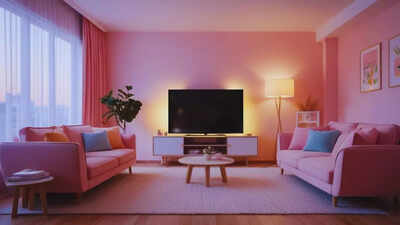
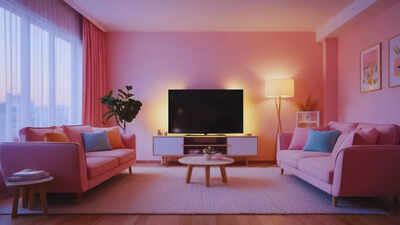
Interior design is one of the most important aspects of any home. Be it a small flat or a big mansion, the way it looks from inside is what makes all the difference. A few decades ago, a good home was all about keeping it clean and well organised. Whitewashed walls, high ceilings, carved railings, and wooden windows were counted as stylish. Symmetry ruled the interiors, and the design aspect too was subdued and conservative. Long windows, see-through glasses, bold colours, multi-purpose furniture are making their way into homes as new trends. In today’s time design is less about following a set of rules for how things should look and more about making spaces that have depth, purpose, and emotional impact. More and more homeowners are becoming aware of design, and as a result, some trends that used to define “good design” are starting to seem predictable and shallow. People are moving away from spaces that are perfectly styled, symmetrical, and based on trends and toward spaces that are layered, easy to understand, and personal. This is leading to a more thoughtful way of designing that values warmth over coldness, character over coordination, and lived-in elegance over visual perfection. Anuj Ramchandran, Associate Director of Retail Design & Build at Livspace shares some exclusive details on the design trends that are no longer in vogue and what is replacing them.
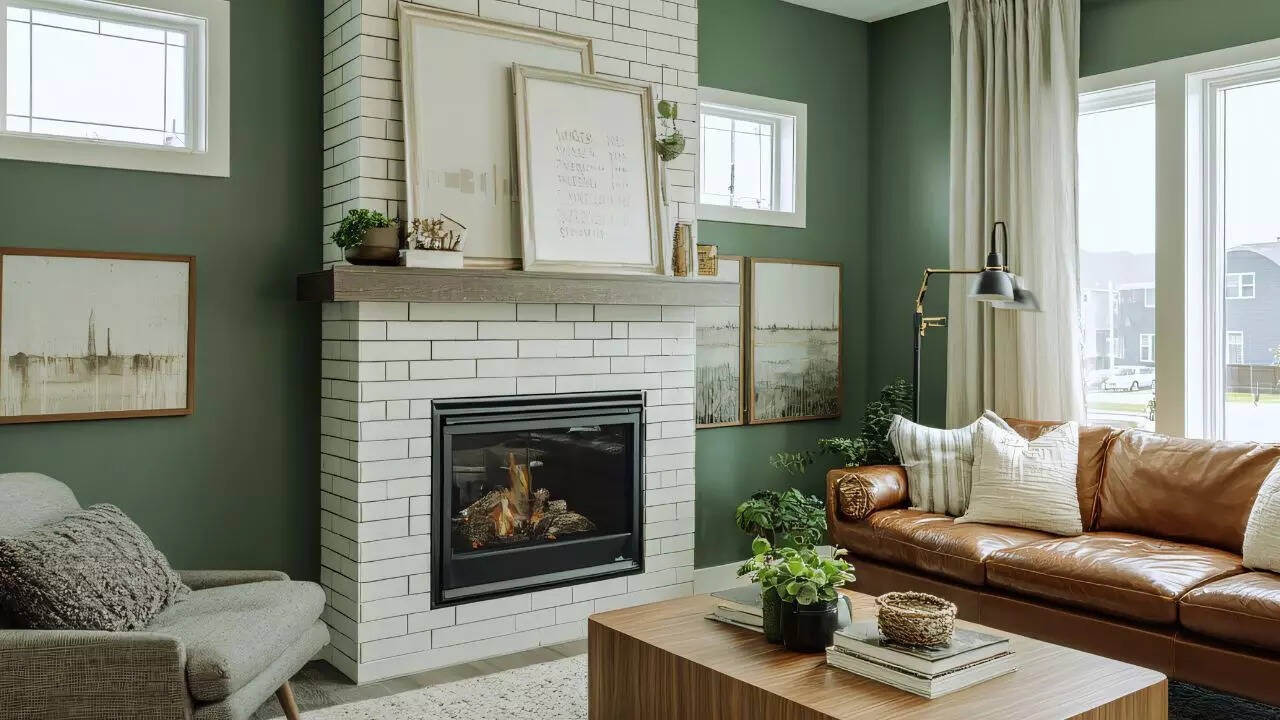
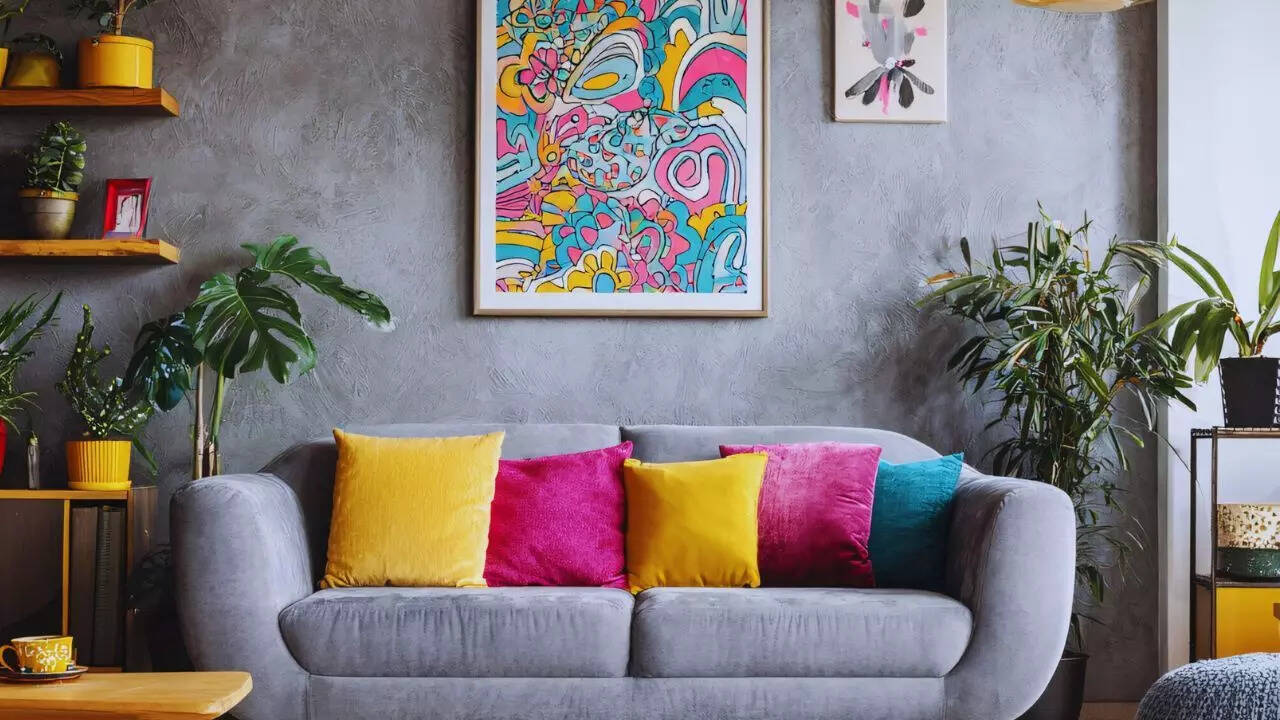
1. Interiors with only white wallsThe all-white look, which has been popular in kitchens and living rooms for a long time, is slowly being linked to coldness and impracticality. In Indian homes, family life often includes many generations and lots of fun things to do, so stark white spaces can seem too staged and hard to keep clean. Now, warm minimalism and color-drenched interiors that add depth and personality are taking their place. Soft neutrals, layered tones, and deeper colors make rooms feel warm, lived-in, and interesting to look at, while still keeping the clean lines and elegance of modern design.2. Balance For a long time, the best way to arrange furniture was to have matching sofas on either side of a coffee table, with matching side tables and lamps on either side. In modern homes, strict symmetry is too predictable and formal, which can make rooms look stiff instead of lived-in. The idea of asymmetrical balance is challenging it. In this case, visual weight is carefully spread out without repeating the same image. This adds movement and personality.3. Lots of Cool GraysIn the past, cool gray tones gave off a sleek, modern vibe, but now they seem more like dull and impersonal, like in office interiors. These colors are easy to keep up with, but they can make a room feel dull and empty, especially if the room gets a lot of natural light. In response, designers are leaning toward warm, layered color schemes with earthy tones like clay, beige, and olive, along with matte or textured finishes. These combinations add comfort, richness, and a sense of timelessness to spaces, making them more welcoming and clearly residential.
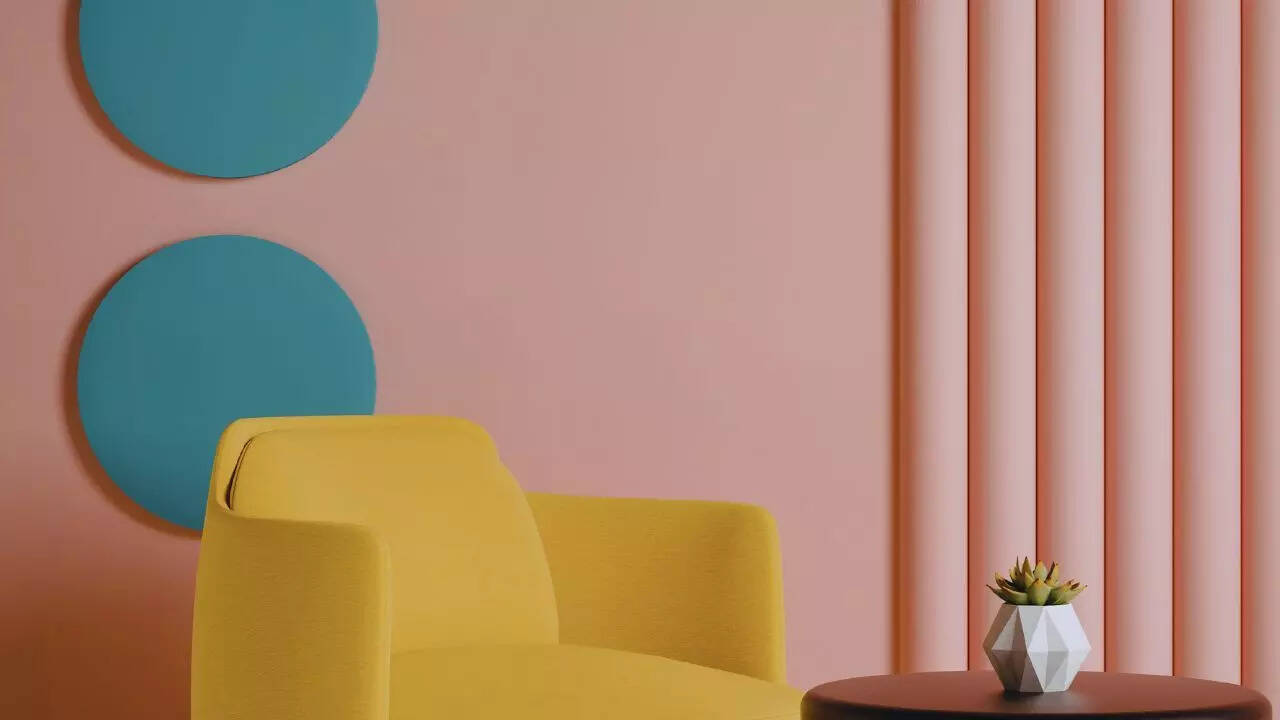
4. Single-Tone Wood VeneerPeople are starting to like the idea of using the same wood tone for floors, cabinets, and furniture, whether it’s light or dark. Pale veneers often look washed out, and darker tones can make rooms feel smaller and heavier. In Indian homes, where natural light and fresh air are very important, monotone wood can look flat. Designers now like mixed wood palettes that use light and dark grains to keep things interesting. Designers are also using veneer less often, as accent pieces instead of main finishes. They are also adding raw or unfinished wood to give the piece more texture, warmth, and authenticity.5. Furniture that is heavy and bigPeople used to think that big furniture, wide armrests, chunky shapes, and dark, solid pieces were signs of luxury. In cities, this kind of furniture can take up too much space and make it hard to move around. This has led to furniture that is the right size, lighter, has higher legs, slimmer profiles, and softer shapes. The focus is on the skill of making things, the quality of the materials, and the size. This makes the inside of the house modern, elegant, and in harmony, while still being comfortable and useful for everyday family life.6. Ceilings that are too fancySeveral years ago, people thought that false ceilings with too much decoration, layered trays, heavy moldings, decorative cut-outs, or too much cove lighting were a sign of luxury. Today, decorative elements in Indian homes often make the house look heavy, take away from the architecture, make the house look shorter, and are hard to clean. Now, the focus is on simpler ceiling treatments that are more architectural, with clean planes, subtle recesses, built-in lighting, and details that are based on materials. People think of the ceiling as a quiet and calm design element that helps improve proportion, light quality, and spatial calm.
7. Big and Over-the-Top LightingBig chandeliers, wall lamps, and a lot of light fixtures used to be a sign of wealth. These kinds of lights made rooms look like showrooms, with too much light and high running costs, but they didn’t make the rooms any more comfortable. A home no longer is just about convenience, but it also includes comfort and style as elements. Just like clothes, designs too go out of fashion, and hence it becomes imperative to bring about a change in certain aspects to make one’s space look inviting and comfortable, and hence designing it as per contemporary fashion becomes an essential requirement. A change in interiors may not always be an expensive exercise, but it is definitely a mindful one. With very little budget and some good imagination, one can completely change the look of one’s home.