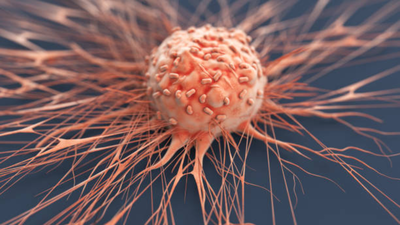
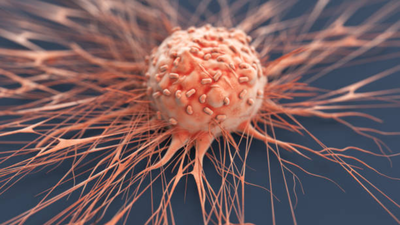
Cancer usually comes with a heavy sense of fear. For many patients, it means repeated hospital visits, exhausting chemotherapy cycles, and being told that options are limited. This case comes from that exact space of uncertainty and frustration. The patient, a woman from Bhiwadi, had advanced cancer that had spread across the lining of her abdomen. Despite undergoing several rounds of chemotherapy with different doctors across the Delhi NCR region, the disease refused to slow down. In fact, it kept growing.Her symptoms were hard to ignore. Severe bloating, constant abdominal discomfort, and changes in bowel habits had become part of daily life. The cancer had spread throughout the peritoneum, a condition known for being difficult to treat with standard intravenous chemotherapy. In her case, the drugs simply weren’t reaching the areas where the cancer was active.This case study looks at what happened next, when a different approach was considered. Instead of relying only on systemic chemotherapy, the treatment plan shifted to a more targeted method designed specifically for cancers that spread within the abdomen. The approach combined extensive surgical removal of visible tumors with heated chemotherapy delivered directly inside the abdominal cavity.What followed was a turning point. This introduction sets the stage for understanding how Cytoreductive Surgery and HIPEC were used, why they were chosen, and how this approach changed the course of disease for a patient who had nearly run out of options.
Cytoreductive Surgery (CRS) and Hyperthermic Intraperitoneal Chemotherapy (HIPEC)
Dr. Vinay Samuel Gaikwad , Director Surgical Oncology, Fortis Hospital Manesar implemented CRS and HIPEC (The “Hot Chemo Bath”) to treat the patient. This treatment is for cancers that have spread throughout the abdominal lining (peritoneum), a two-step approach called Cytoreductive Surgery (CRS) and Hyperthermic Intraperitoneal Chemotherapy (HIPEC) is used.
Procedure
- Step 1: Cytoreductive Surgery (CRS): The surgeon systematically works through the abdomen to remove all visible tumor tissue, which may involve removing parts of the intestines, stomach, or liver lining.
- Step 2: HIPEC: After all visible cancer is removed, the abdominal cavity is bathed in a heated chemotherapy solution (41 C degree to 43C)
- Mechanism: The solution is circulated for 60 to 90 minutes. The heat helps the chemotherapy penetrate deeper into tissues to destroy remaining microscopic cancer cells that are too small to see.
- The procedure: After surgically removing all visible tumor deposits (CRS), the abdomen was “washed” with heated chemotherapy for 90 minutes. The heat helps the drug penetrate tissues better than standard IV chemotherapy, which often cannot cross the peritoneal barrier.
- Outcome: The results were transformative. Freed from the burden of the massive tumor load and the ineffective systemic chemo, the patient’s recovery was rapid. By the third day, she was eating; by the fifth, she was discharged. Now back in Bhiwadi, she is active and walking, living a life free from both the cancer’s spread and the debilitating side effects of her previous treatments.