US Education Department encourages Title I schools to consolidate funds to improve learning
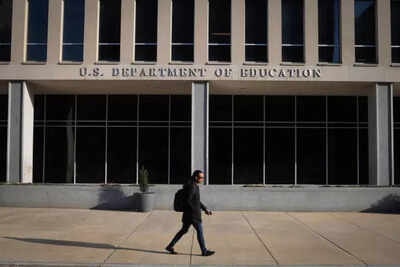
The U.S. Department of Education has urged state education leaders to help Title I schools combine federal, state, and local funding into a single, flexible stream. The move is designed to cut down on paperwork, reduce compliance costs, and allow schools to focus more on programs that directly help students learn and succeed academically.Assistant Secretary for Elementary and Secondary Education Kirsten Baesler said, “Schoolwide programs, which allow for the consolidation of funds, are a powerful tool for local decisionmakers to break down silos between federal, state, and local funds. We hope leaders will expand eligibility and provide guidance on using these funds to serve students better and improve achievement.”
Understanding Title I schoolwide programs
Title I is a federal program that provides additional funding to schools with high numbers of students from low-income families. Schools that operate a Title I schoolwide program can pool all available funds—federal, state, and local—into one plan aimed at improving learning for every student.Unlike targeted programs that focus on specific students, schoolwide programs give schools more flexibility to address the needs of all learners. Plans are created with input from teachers, parents, and community members, ensuring the school addresses local priorities. Funds must support the schoolwide plan and pay particular attention to students who are falling behind academically.Consolidating funds helps schools reduce paperwork and administrative work, freeing up resources for teaching, tutoring, enrichment programs, or professional development for teachers. Despite these benefits, only a small number of schools currently take full advantage of fund consolidation.
Guidance to support school flexibility
The Department’s recent guidance builds on earlier steps taken in 2025 to give schools more freedom to improve student outcomes:
- Direct Student Services (March 31, 2025): Allows up to 3% of Title I funds to go directly toward supporting students.
- Persistently
Unsafe Schools (May 7, 2025): Guides states on improving school safety and giving families more school choices. - School Improvement Provisions (June 26, 2025): Focuses on using funds to help underperforming schools and provide choice to students in struggling schools.
- Equitable Services (August 21, 2025): Encourages more effective services for students in private schools.
- Ed-Flex Authority (September 17, 2025): Lets states waive certain federal requirements, encouraging local innovation without federal approval.
These measures aim to make it easier for schools to use funds effectively and focus on programs that improve learning outcomes.
Why fund consolidation matters
While the majority of Title I schools-86 percent during the 2022-23 school year-operate schoolwide programs, few consolidate federal, state, and local funds. Combining these funds reduces duplication and offers better coordination and direction for resources to where they are needed most.Experts say that fund consolidation allows schools to expand tutoring programs, after-school activities, teacher training, and support for students who struggle academically. It also makes planning simpler, letting educators focus on teaching rather than paperwork.
The way forward
The Department’s guidance reflects a larger effort to give local leaders more control over education. By encouraging the consolidation of funds, the Government also hopes an improved ability of districts, particularly, to respond more fully to the needs of students, which can enhance efficiency as well as raise the level of success.It would translate to more assistance and facilities for learning and security for students and their parents.State education agencies are now expected to actively guide Title I schools in taking full advantage of the flexibility allowed under federal law.