Netflix rejects Paramount’s offer; says it has nothing else other than Oracle founder Larry Ellison’s …
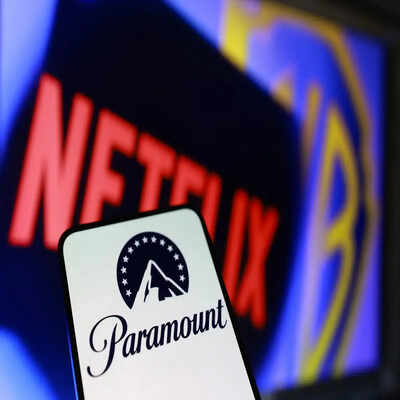
Netflix co-CEO Greg Peters has rejected Paramount Skydance’s $108 billion hostile bud for Warner Bros. Discovery (WBD), calling it unrealistic without the financial backing of Oracle founder Larry Ellison. In an interview with Financial Times, Peters said Paramount’s proposal ‘doesn’t pass the sniff test’ and relies too heavily on debt and external support. He contrasted it with Netflix’s revised $82.7 billion all-cash offer, which he argued is far more stable. “That additional leverage required for Paramount’s bid is pretty crazy,” Peters said.
Shareholder support tilts towards Netflix
As per the report, Paramount has taken its offer directly to WBD shareholders after the board rejected it. However, the early filings show Paramount has secured only about 7% of WBD shares which are far short of the majority needed to gain control. Analysts also point out that Netflix’s cash-backed proposal is gaining stronger traction among investors wary of debt-heavy deals.
Hollywood impact and regulatory scrutiny
A potential Netflix-Warner Bros. merger would reshape Hollywood, combining franchises like Game of Thrones and Harry Potter with Netflix originals such as Stranger Things and Squid Game. The consolidation has sparked concern among filmmakers, unions, and theater owners about Netflix’s growing influence over theatrical releases.Peters sought to ease those fears, pledging that Netflix would honor Warner Bros.’ traditional 45-day theatrical window. Regulators in both the U.S. and Europe are expected to scrutinize the deal closely, given its sweeping implications for competition and consumer choice.Peters emphasized that Netflix’s competition extends beyond traditional studios, pointing to YouTube (Alphabet Inc.), Amazon.com Inc., and Apple Inc. as rivals in the streaming and entertainment space. He noted that Netflix accounts for less than 10% of TV viewing hours in most markets, underscoring the fragmented nature of global media consumption.