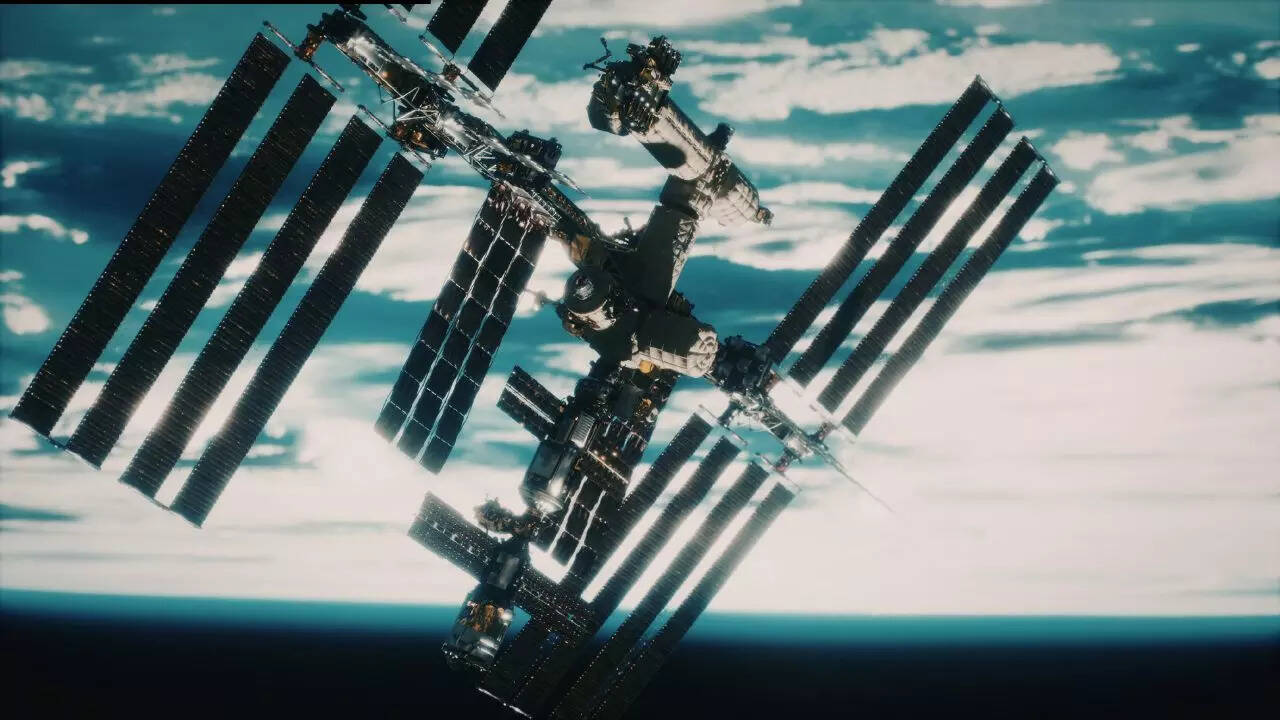
The International Space Station is approaching its final years in orbit, and planning for its controlled return to Earth is now moving from theory into preparation. After more than two decades of continuous human presence, the ageing structure is no longer expected to operate safely beyond the end of this decade. NASA and its international partners have confirmed that the station will not be abandoned or allowed to fall at random. Instead, it will be guided down in a deliberate process designed to minimise risk on the ground. Central to that plan is a remote stretch of ocean known as Point Nemo, chosen for its isolation rather than symbolism. The process itself is slow, technical and largely invisible to people on Earth, unfolding over months rather than moments, with safety margins taking priority over speed or spectacle. NASA has committed to fully use and safely operate the space station through 2030, as the agency also works to enable and seamlessly transition to commercially owned and operated platforms in low Earth orbit.
NASA’s plan to end the ISS involves Earth’s loneliest place
The space station circles Earth low enough to feel the drag of the upper atmosphere. That drag is weak but constant. Without regular boosts, the orbit decays. Over time, gravity and atmospheric resistance do what they always do, pulling objects down.
The station’s structure was never meant to last forever. Thermal cycling, docking stresses and material ageing all add up. Keeping it aloft indefinitely would require propulsion systems, fuel deliveries and engineering margins that no longer make sense. Allowing it to decay naturally without control would carry unacceptable risk.
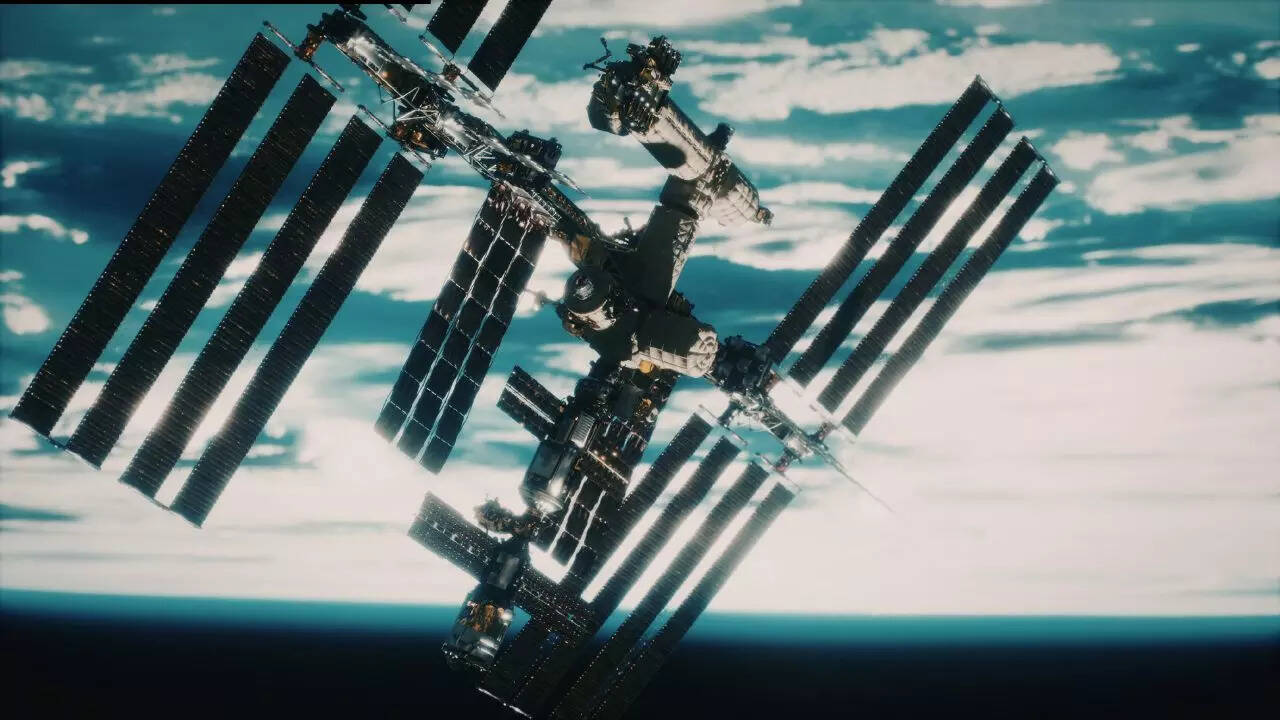
A controlled deorbit is required
Large spacecraft cannot simply be left to re-enter on their own. The space station is massive, with components that can survive intense heat. An uncontrolled reentry could scatter debris across populated regions. International safety rules set strict limits on acceptable risk to people on the ground. The station exceeds those limits by a wide margin. A controlled deorbit allows engineers to narrow the debris footprint and direct it toward an area where human presence is close to zero.
Where is Point Nemo and why it matters
Point Nemo lies in the South Pacific Ocean, roughly equidistant from South America, Antarctica and New Zealand. It is often described as the most remote location on Earth and is also known as the spacecraft graveyard. Few ships pass nearby. No permanent human settlements exist within thousands of kilometres.This isolation makes it suitable for controlled spacecraft reentry. Several large satellites have been directed into this region. The ocean depth and low traffic reduce the chance of harm, even if some fragments reach the surface intact.
How the deorbit process will unfold
The station will not plunge downward in a single dramatic burn. Instead, its altitude will be gradually lowered over time. Atmospheric drag will be used to do much of the work, reducing the amount of fuel needed.Once crews have departed and the orbit has been aligned, a dedicated de-orbit vehicle will perform the final manoeuvre. This burn adjusts the trajectory so that re-entry occurs over the targeted ocean zone. From that point, the physics takes over. As the station meets denser air, stresses build rapidly. Solar arrays and radiators separate first. Larger modules follow. Heating intensifies, tearing the structure apart.
What survives the fall through the atmosphere
Most of the station is expected to burn up. Aluminium structures melt and vaporise under extreme temperatures. Internal equipment follows soon after. Some denser elements, particularly parts of the truss and fittings, are more resistant. These pieces are expected to reach the ocean intact. Models suggest they will land within a defined corridor near Point Nemo. Engineers continue to refine these models, using data from past re-entries such as Mir and Skylab, though each structure behaves slightly differently.
Environmental impact of debris in the ocean
Studies suggest the environmental impact will be limited. The targeted area is vast, deep and biologically sparse compared to coastal waters. Debris is expected to sink to the seabed. Materials involved are mostly inert metals. Long-term ecological effects are considered minimal. Monitoring will focus on ensuring the debris footprint remains within planned bounds.
Why this ending is being planned years ahead
The timeline matters. Deorbiting a structure this large requires coordination across agencies, spacecraft availability and precise orbital mechanics. Waiting too long would reduce options and increase risk. By planning early, operators retain control. The process is quiet, methodical and largely unseen. There will be no single moment marking the end of the space station, just a sequence of steps that gradually bring it home, far from land, far from attention, and deliberately out of the way.