A life rewritten, not defeated: The story of 38-year old that raises questions so uncomfortable, we’d rather not ask
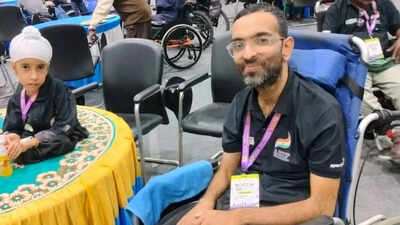
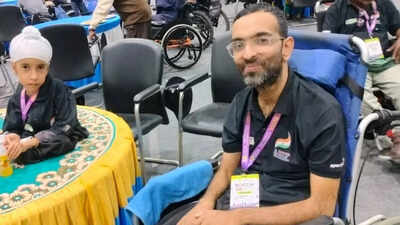
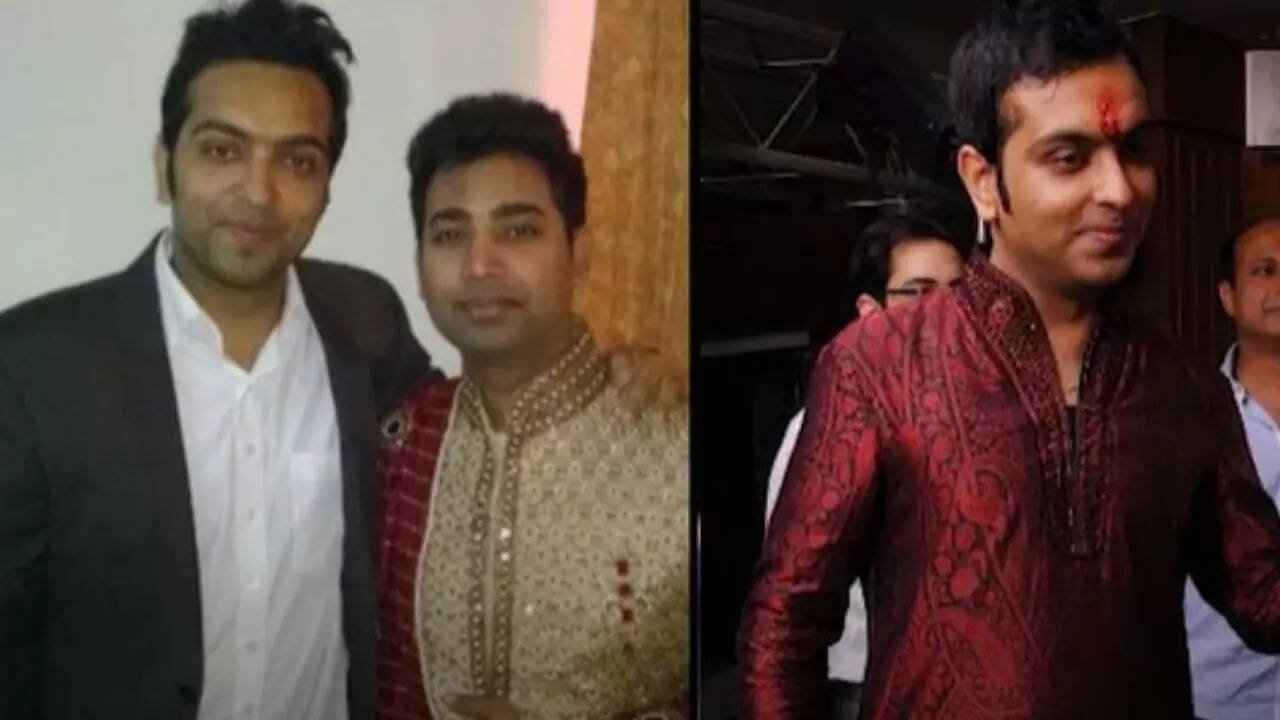
Anuj Arora was just 26 when life changed in ways he had never imagined. At an age when the future usually feels open and full of promise, he began experiencing repeated and persistent problems with movement. What initially seemed like a temporary disruption soon became impossible to ignore. When he finally consulted a doctor, the diagnosis arrived with a force that altered everything-multiple sclerosis.Multiple sclerosis is a disease of the nervous system that gets worse over time and affects movement, coordination, and bodily functions. There is no known cure for it. The diagnosis was a huge blow for Anuj. It broke the life he had planned for himself and left him with a body that didn’t work the way it used to. The loss of control over my limbs and basic bodily functions was just as overwhelming as not knowing what would happen next.
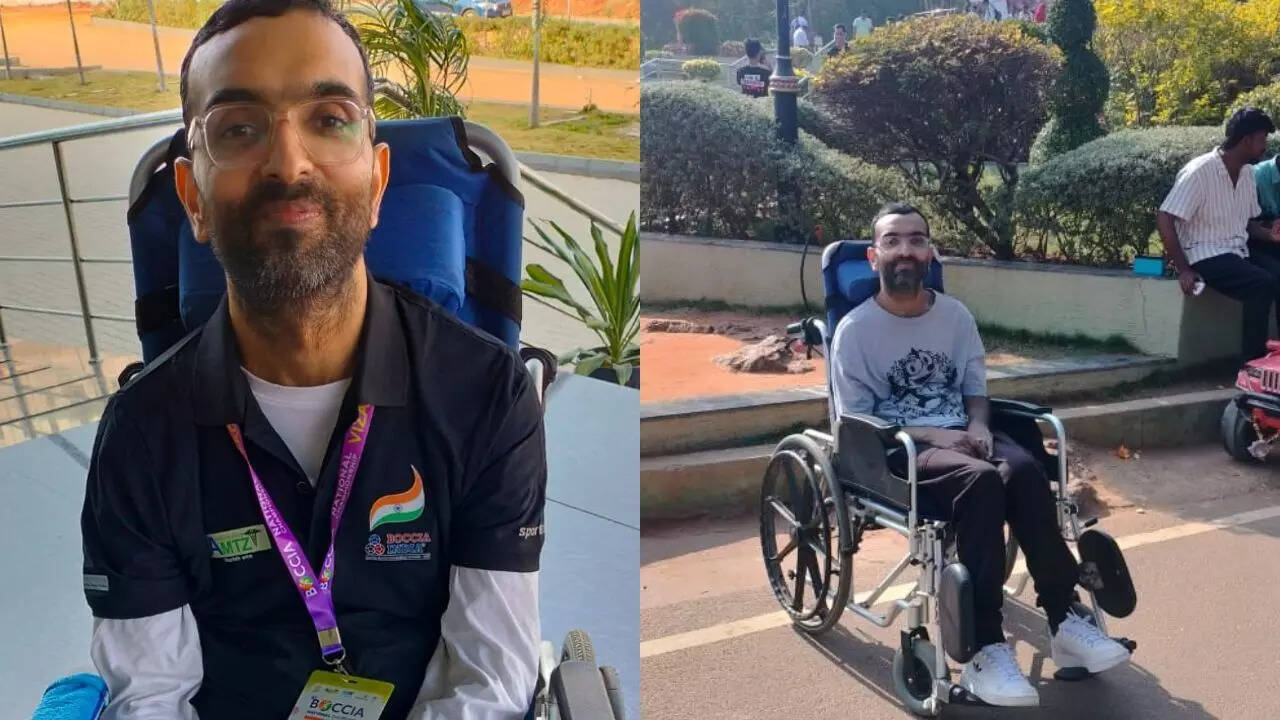
But Anuj doesn’t let despair define who he is. He talks about his condition in a calm, measured, and almost philosophical way that is very graceful. When you listen to him, it’s hard not to stop and think. For someone living with such immense physical limitations, his emotional clarity and acceptance feel extraordinary. And what are we as a society doing for such talented people like him? Are we allowing him to languish in the confines of his home, while we move out, work, and lead a normal life? “My company has been very supportive,” he shares. “Even though I haven’t been able to contribute much lately, they’ve stood by me.” Anuj had spent nearly a decade with the organisation and had kept them informed throughout his journey. That support, he says, made a difference during a time when so much else felt uncertain.Still, the world is not designed for people like him. “It is hostile and difficult to navigate,” Anuj admits. “I need support at every step. Without my father and my loved ones, I can’t imagine managing life on my own.” His words are honest, without self-pity-simply a reflection of reality.
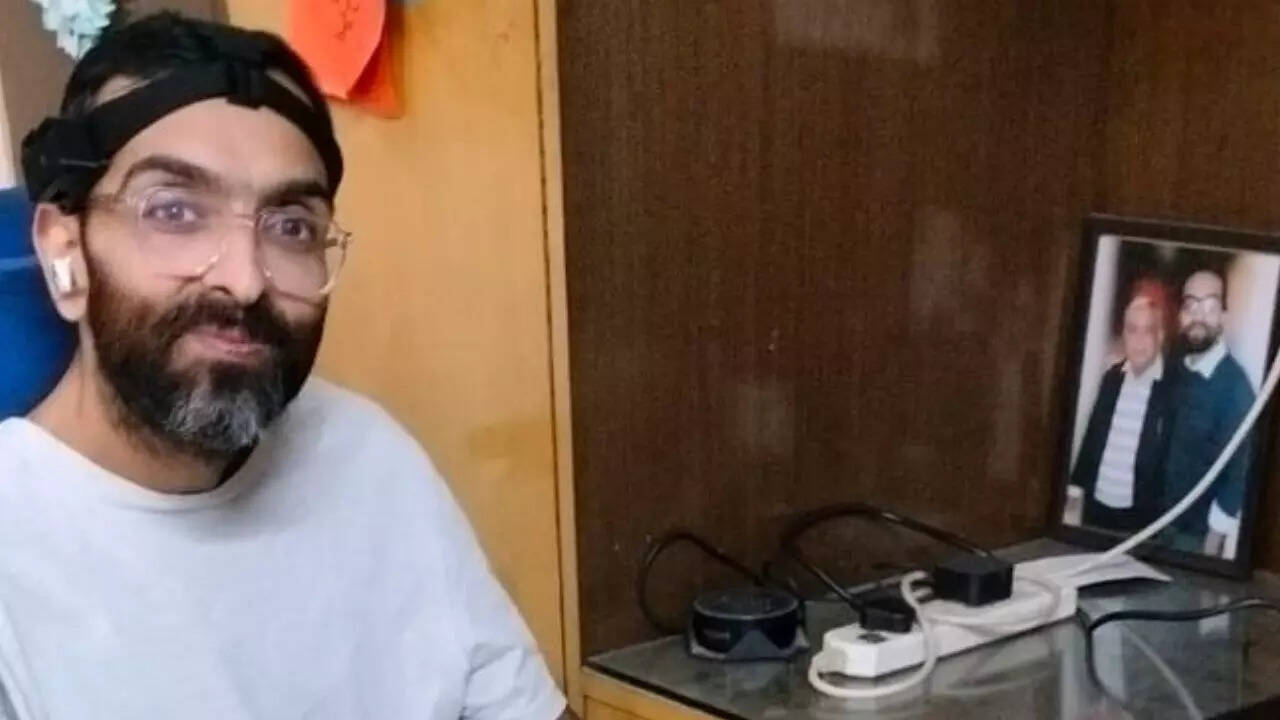
Technology, however, has offered him a small but significant bridge back to independence. With the help of a wearable device called Mouseware designed for people who cannot use their upper limbs, Anuj is able to operate a laptop. It allows him to stay connected, engage with the world, and reclaim a sense of purpose. “Earlier, I would wake up and check my phone first thing, replying to emails,” he recalls. “Now, thanks to this device, I spend a lot of time on my laptop. It helps me feel connected.”A typical day still requires assistance getting out of bed and managing daily chores, but emotionally, Anuj says he has made peace with his condition. “I have moments of darkness and moments of light,” he says simply.
What makes Anuj remarkable is not just his resilience, but his acceptance. His calm, his self-awareness, and the dignity with which he speaks about his challenges reveal a deeply evolved individual. His journey is also a reminder of a larger truth-one that India must confront more honestly. People living with disabilities cannot survive alone. Convenience, where it exists, is often inadequate. And while inclusivity is frequently discussed, it demands far deeper thought, sensitivity, and action than we currently offer.Anuj’s story is not just about illness. It is about grit, quiet determination, and the strength it takes to keep moving forward-even when the body resists, and the world does not make it easy.