
This is the driest place on Earth where rain may not fall for centuries
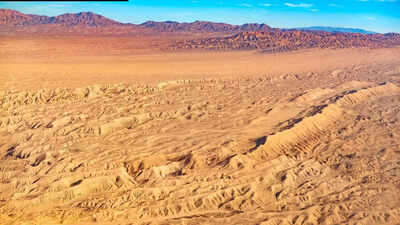
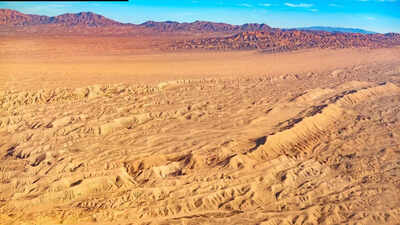
The Atacama Desert lies along the northern edge of Chile, a long strip pressed between the Pacific Ocean and the Andes. It is often described as the driest place on Earth, though that description feels almost too neat. According to Discovery, in some parts, rainfall averages around 0.03 inches a year. In others, rain has not been recorded within living memory. The ground shows it. Stone replaces soil. Salt lakes dry into hard white plates. Nothing seems recent. Yet the desert is not remote in the usual sense. It sits beside the largest ocean on the planet, close to ports, roads and cities. That contrast shapes how the region feels. Water is near, but it does not arrive. The desert remains exposed, quiet, and largely unchanged by weather.
The Atacama Desert: Driest place on Earth sitting next to the Pacific Ocean
The Andes rise sharply to the east, forming a wall that blocks moist air moving from the continent. To the west, the Pacific sends clouds inland that rarely develop into rain. The cold Humboldt Current cools the air near the surface, while warmer air sits above it. Fog forms instead of storms. Low clouds drift across hills and then dissolve.This pattern does not shift often. High-pressure systems linger. Seasons pass without interruption. The result is not a dramatic drought but a steady absence. The landscape adjusts slowly. Nothing grows quickly. Nothing disappears quickly, either.
Life survives where fog reaches land
Most of the interior remains almost empty of vegetation. In some areas, even dead plant matter does not decompose. Researchers have found organic remains that may be thousands of years old. This stillness is part of what draws scientists. Space agencies test Mars equipment here because the ground behaves in unfamiliar ways.Closer to the coast and along isolated hills, the picture changes slightly. Fog collects on slopes, feeding small plant communities. Bromeliads draw moisture directly from the air. Short-lived plants appear briefly, then vanish. Around 550 plant species exist in these pockets, many found nowhere else. Animals remain few. Insects, scorpions, lizards and small birds form fragile chains that break easily.
A desert shaped by human use and neglect
The Atacama also holds vast deposits of sodium nitrate. Mining reshaped parts of the desert in the early twentieth century. Towns appeared, then emptied. Buildings still stand, preserved by the dry air. Tools rust slowly. Roads lead nowhere.Today, the desert continues to attract attention, though for different reasons. NASA scientists, astronomers and engineers arrive, then leave. The land absorbs little of their presence. The Atacama does not respond quickly. It does not offer clear signals. It remains dry, cool, and unresolved, holding its distance even as people study it closely.