
Budget 2026 income tax expectations: What individual taxpayers are hoping for – top 4 points to know
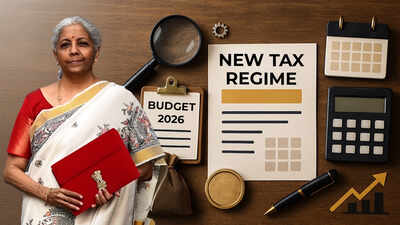
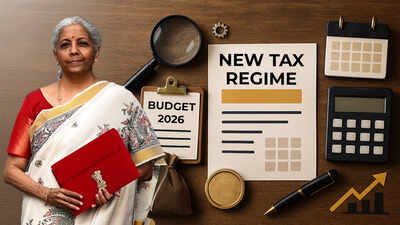
As India prepares to implement the new Income-tax Act from 1 April 2026, expectations of major tax changes may need to be calibrated.
By Parizad SirwallaBudget 2026 income tax expectations: Finance Minister will present Union Budget 2026 in the backdrop of uncertain geopolitical dynamics, volatile capital markets, diverse regulatory reforms (e.g. new income tax act, labour codes etc.), fluctuating oil prices as well as INR-USD exchange rate and other uncertainties. However, the one thing certain is that the individual taxpayer will be brimming with expectations of a promise of more net disposable income in their hands on a warm Sunday afternoon of 1 February 2026. However, as India prepares to implement the new Income-tax Act from 1 April 2026, expectations of major tax changes may need to be calibrated. Potentially it may be possible that the Budget may focus on micro, practical changes and administrative improvements, such as faster refunds, simpler compliance etc. to improve taxpayer experience and ensure a smooth transition to the new law.In view of the above, some of the areas that individual taxpayers may still hope to be addressed are: –A Higher Standard DeductionOne of the most frequently raised expectations is enhancement of the standard deduction, which currently stands at Rs 50,000 under the old tax regime and Rs 75,000 under the new tax regime. With inflation continuing to raise living costs, the salaried taxpayers are hopeful that the deduction limit will be increased to at least Rs 1 lakh. A higher deduction would provide relief to taxpayers at a time when rising living costs are placing increased pressure on the household finances.Also Read | Budget 2026 income tax: Will GST-style fewer tax slabs be brought under new income tax regime?Perquisite valuation rules for Electric VehiclesElectric vehicles (EVs) are increasingly seen as the future of mobility, and in line with their broader ESG commitments, many employers are now encouraging employees to opt for an EV under their company car lease policies. However, the current perquisite valuation rules continue to rely solely on the cubic capacity of the car, an approach that does not account for the distinct nature of EVs, which do not have an engine in the conventional sense.Hence, it may be practical for the government to introduce a separate valuation mechanism specifically for EVs to ensure a suitable tax treatment and to further promote their adoption.Relief on Housing Loan Interest Under the New Tax RegimeHome loan borrowers have long relied on interest related tax deductions to reduce their repayment burden. However, under the new tax regime, individuals cannot offset housing loan interest against salary income, even in the case of a self‑occupied property.With housing prices continuing to rise and the government’s broader aim of promoting home ownership at affordable rates, there is an expectation that the government may in the upcoming budget allow such interest deduction at least on self-occupied property under the new tax regime. This would provide relief to mid‑income taxpayers families and help build further confidence of taxpayers in the new tax regime.Also Read | Budget 2026: Why standard deduction should be hiked under the new income tax regime – explainedTimelines for Revised or Belated ReturnsUnder current provisions, taxpayers can file a revised or belated return for a financial year only up to 31 December following the end of that year. However, this timeline often poses challenges, particularly for individual taxpayers with cross-border income or investments, as tax filings in their home or host countries may not be finalized by then. This mismatch can result in unintentional under-reporting or over-reporting of income in India. For instance, a US citizen who becomes an ordinarily resident in India may be required to report global income for parts of two calendar years in a single Indian tax return, even though overseas tax filings are completed later. Given these practical difficulties, extending the deadline for filing revised or belated returns would provide much-needed relief and help ensure accurate reporting.As the government prepares for the landmark shift to the new Income-tax Act in April 2026, the Union Budget presents an opportunity to address a few long‑standing demands of individual taxpayers. While sweeping changes may be unlikely in a year of transition, targeted reforms whether through higher deductions or more flexible timelines could significantly improve the taxpayer experience. Ultimately, the hope is that the Budget will strike the right balance between fiscal prudence and the genuine needs of India’s growing salaried class.(Parizad Sirwalla is Partner and Head – Global Mobility Services, Tax, KPMG in India)