
Raising IVF babies: What do experts say | India News
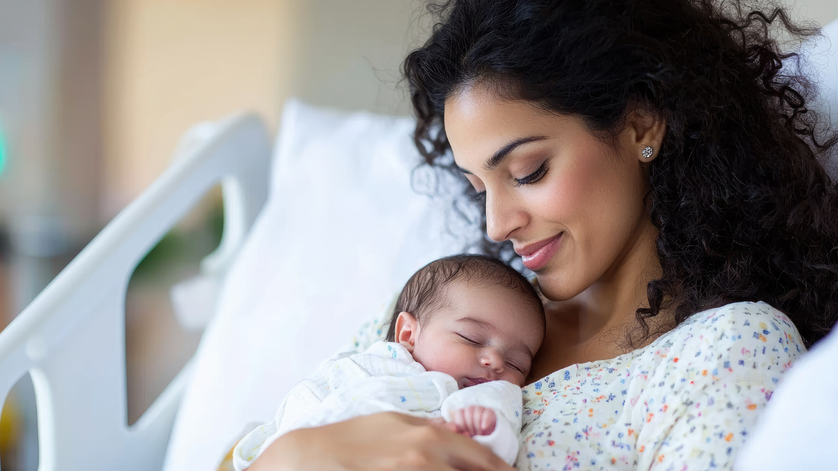
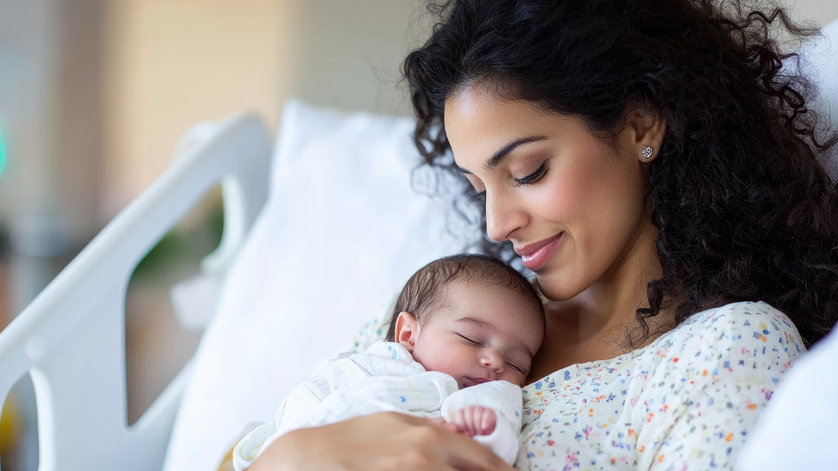
In vitro fertilisation (IVF) has revolutionised the dream of parenthood for countless couples. The advent of this miraculous technology has allowed families who once struggled with infertility to experience the joy of becoming parents, turning hope into reality. Along with joy, IVF also brings some questions and anxieties. One of the most common concerns that couples can have is whether IVF babies are the same as naturally conceived babies, and if they face any challenges while growing up. “The first baby born through IVF was in 1978, and since then, millions of children worldwide have been born using this technology. In IVF, fertilisation of the egg takes place outside the body under carefully controlled laboratory conditions. Once formed, the embryo is transferred to the uterus, where it grows and develops naturally just like any other pregnancy. Over the years, assisted reproductive technologies have advanced tremendously, making IVF simpler and safer than ever before,” explains Dr Sreevani Kotha, Director and Head of 9M Fertility by Ankura Hospital.
Babies born through IVF are no different from those conceived naturally, and most grow and develop just like any other child. While studies have reported a higher incidence of preterm birth, low birth weight, and multiple pregnancies with IVF, it is important to understand that these risks do not apply to every pregnancy. Dr. Sreevani also emphasises that such outcomes are not always caused by the IVF procedure itself and may be influenced by other factors. “In many cases, factors such as advanced maternal age or underlying health conditions like high blood pressure or thyroid disorders play a significant role. Apart from these, the reason some women undergo IVF in the first place may be due to conditions like polycystic ovarian syndrome or structural abnormalities of the uterus. These underlying factors, rather than the IVF procedure itself, can also contribute to an increased risk of preterm birth and other risks,” Dr Sreevani explains. With good preconception care, thorough monitoring by experienced experts, and technological advancements, the risks of IVF have been minimised. Single embryo transfer technology allows the selection of only the healthiest embryo to be implanted, minimising multiple pregnancies like twins and triplets. Thorough care of high-risk pregnancy with timely scans and checkups, and identification of individual risks has led most parents to deliver healthy full-term babies through IVF. Moreover, with the advent of technologies like preimplantation genetic testing, chromosomal abnormalities can be detected before transferring the embryo to the womb, thereby reducing the incidence of conditions like Down syndrome, Turner’s syndrome, etc., in IVF babies. “Improved laboratory techniques, more precise embryo selection, and refined ovarian stimulation protocols have made IVF both safer and more effective over the years,” Dr Sreevani assures. Advances in stimulation now allow doctors to tailor medications for each woman based on her specific hormonal profile and overall health, helping obtain good-quality eggs while reducing risks. The increased use of technologies such as the ERA test to determine the optimal timing of embryo transfer, along with single-embryo transfer, has further improved implantation rates while reducing the risk of multiple pregnancies. Together, these developments have reduced complications and improved pregnancy outcomes more than ever before.Choosing a good centre for IVF is paramount. Apart from offering technological advancements, it also ensures close monitoring throughout pregnancy, helping women attain optimal health and enabling early identification of complications. “IVF today is not just about achieving pregnancy, but about ensuring a safe and healthy journey to motherhood. With the right care and close medical supervision, most couples can look forward to positive outcomes and healthy babies,” Dr Sreevani concludes. Disclaimer: The views and opinions expressed in the story are independent professional judgment of the experts and we do not take any responsibility for the accuracy of their views. This should not be considered as a substitute for medical advice. Please consult your treating physician for more details. Ankura Hospitals is solely liable for the correctness, reliability of the content and/or compliance of applicable laws. The above is non-editorial content and TIL does not guarantee, vouch or endorse any of it. Please take all steps necessary to ascertain that any information and content provided is correct, updated, and verified.