2 crashes in a month: Government mulls safety ranking of charter operators, stricter norms put in place | India News
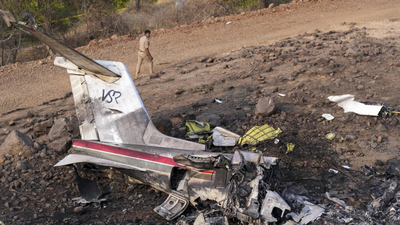
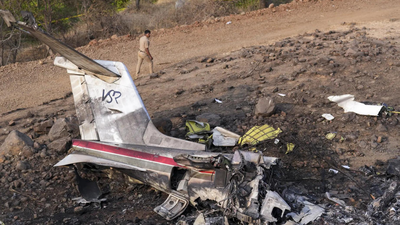
NEW DELHI: Jolted by two crashes involving small charter aircraft within a month that killed 12 people, India could now rank non scheduled operator permit (NSOP) or charter and private jet operators based on their safety record. While this ranking is proposed to put on the Directorate General of Civil Aviation’s (DGCA) website, operators will now mandatorily have to disclose “critical safety information on their websites, including aircraft age, maintenance history, and pilot experience.” This will be done to ensure people are “fully informed about the standards” of the aircraft they charter.Also, there will now be stricter penalties for operators violating norms regarding aircraft or crew utilisation. While pilots found violating flight duty time limitations (FDTL) or attempting to land below safety minima may face license suspensions of up to five years, operators not meeting compliance standards will have their licenses suspended.The regulator Tuesday held a meeting with all NSOP or charter/private jet operators to “address a recent surge in aviation incidents” and emphasise on “critical need for increased focus on safety.” Non-adherence to standard operating procedures (SOPs), inadequate flight planning, and training deficiencies were identified and the primary cause of accidents at this meeting.Also, charter companies doing their own maintenance and not doing the same as per standards will now be asked to outsource that to recognised MROs. “Maximum issues in NSOP operations are about aircraft maintenance and poor judgment by operations teams,” said an industry insider.Following the meet, the DGCA issued “new measures aimed at enforcing a zero-tolerance policy toward safety compromises within the NSOP sector.” These include:“Prioritising safety over commercial interests:” The regulator has directed that safety must supersede all commercial considerations, charter commitments or VIP movements. It reaffirmed that the pilot-in-command’s decision to divert, delay, or cancel a flight for safety reasons is final and must be respected by operators without commercial consequences.“Enhanced oversight and accountability:” Apart from DGCA doing safety ranking of NSOPs and the latter disclosing their fleet and crew information, the regulator will The authority will conduct increased random cockpit voice recorder (CVR) audits and cross-verify fuel records, and technical logs to detect unauthorised operations or falsifying of data.“Accountable managers and senior leadership will be held personally responsible for systemic non-compliances, safety lapses cannot simply be blamed on pilots,” the regulator says. There will now be increased monitoring of older aircraft and those undergoing ownership changes. NSOPs that run their own maintenance, repair, and overhaul (MRO) facilities will be audited. “Those found lacking adequacy will be required to outsource maintenance to approved organisations.”The regulator has found weather-related accidents are “often the result of poor judgment rather than unpredictability of weather.” Operators are mandated to establish real-time weather update systems and strict compliance of established SOPs. Additionally, recurrent training for pilots must have greater emphasis on weather awareness strategies and decision-making in uncontrolled environments.To address systemic weaknesses in decision-making and to ensure operational discipline, the regulator is implementing several immediate measures:A senior official who was at the meeting said: “The message is clear to NSOP operators: Either operate with 100% compliance of all norms or surrender your licence and go home. They have to fall in line or be out of business.”